

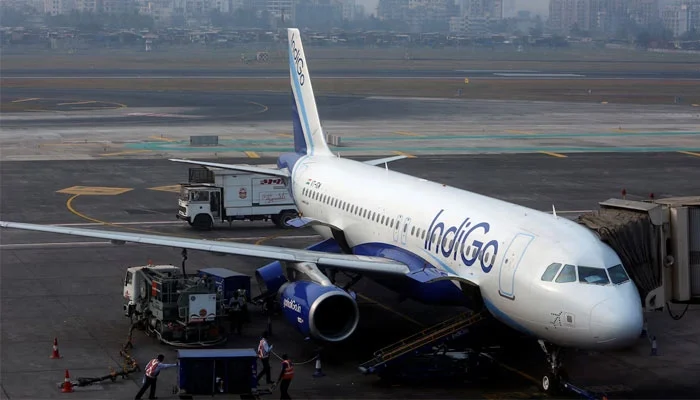
Pakistan has extended its ban on Indian aircraft using Pakistani airspace for another month, with the restriction now set to remain in force from January 25 to February 24, 2026, according to a new Notice to Airmen (NOTAM) issued Tuesday by the Pakistan Airports Authority.
What the ban includes
- Applies to all Indian-owned, operated and leased aircraft
- Covers commercial, private and military flights
- No Indian airline or aircraft is permitted to enter Pakistan’s airspace during this period
The restriction has already been in place for nine months, making this one of the longest continuous airspace bans between the two nuclear-armed neighbours.
Why the airspace remains closed
Pakistan first imposed the ban on April 24, 2025, after India suspended the Indus Waters Treaty, following heightened bilateral tensions linked to the Pahalgam attack in Indian-administered Jammu and Kashmir.
In response:
- India closed its own airspace to Pakistani airlines on April 30, 2025
- Pakistan extended the ban multiple times, including in May 2025
The standoff escalated briefly in early May when India launched strikes on multiple Pakistani cities, prompting a retaliatory military operation by Pakistan. The confrontation ended after nearly four days with a U.S.-brokered ceasefire on May 10, 2025.
Impact on aviation
- Indian aviation has borne the brunt of the disruption, with longer flight routes, higher fuel costs, and scheduling challenges for carriers such as IndiGo Airlines
- Pakistani aviation, by contrast, has seen limited operational impact, due to fewer westbound international routes
Not the first time
Pakistan has previously closed its airspace to India during major crises, including:
- The 1999 Kargil conflict
- The 2019 Pulwama crisis
In both cases, Indian airlines faced significantly greater economic and logistical losses than their Pakistani counterparts.
What happens next
Unless diplomatic relations improve, further extensions remain possible. For now, airlines and passengers should expect continued detours, longer flight times, and higher operational costs on India-Europe, India-Middle East, and transcontinental routes through late February 2026.