

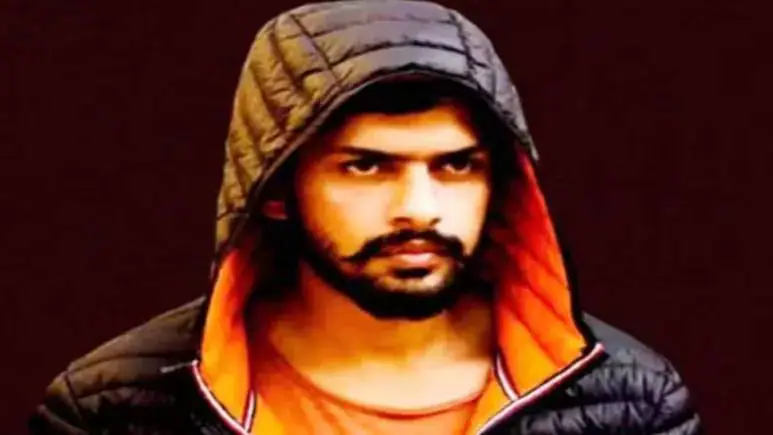
A classified intelligence assessment by the Canada Border Services Agency (CBSA) has identified the Lawrence Bishnoi gang as an emerging organized crime threat in Canada, alleging that the criminal network has exploited Canada’s international student and temporary work permit systems to recruit a small number of young people into criminal activities.
The report, titled “The Bishnoi Gang: An Emerging Threat in Canada,” was prepared in December 2025 as a tactical intelligence guide for border and immigration officials. Portions of the report later became public through court proceedings and were subsequently reported by Canadian media.
According to the intelligence assessment, the gang allegedly recruited some individuals who had arrived from India on study permits and later involved them in organized criminal activities, including extortion, shootings and murder. Authorities emphasize that these allegations concern a very small minority of international students and should not be interpreted as reflecting the conduct of the broader Indian student community in Canada.
The report states that while overall extortion cases in Canada declined by approximately 10 per cent in 2024, extortion complaints involving Indian victims increased significantly. Investigators also observed a sharp rise in criminal charges involving some Indian study permit holders over recent years. However, the report notes that 2,418 Indian students charged in 2024 represented only about one per cent of the approximately 188,125 Indian students studying in Canada, indicating that the overwhelming majority of students were not involved in criminal activity.
Investigators allege that the gang initially targeted Khalistan supporters and Punjabi business owners before expanding extortion demands to a broader section of the Indo-Canadian community. The primary objective of the organization in Canada is believed to be extortion, with victims allegedly receiving threats through WhatsApp calls and messages demanding large sums of money. Businesses and residences that refused payment were allegedly subjected to shootings or acts of vandalism intended to intimidate victims and encourage compliance.

The report also outlines several high-profile cases involving individuals accused of working with the Lawrence Bishnoi network. One example cited is Abhjeet Kingra, who entered Canada on a student permit in 2018. According to investigators, financial difficulties allegedly made him vulnerable to recruitment into the gang. He was later convicted for his role in a 2024 shooting targeting the residence of Punjabi singer AP Dhillon in British Columbia and was subsequently ordered deported.
The intelligence assessment also references Jashandeep Singh and Arshdeep Singh, both of whom reportedly arrived in Canada as international students. Police allege they became associated with the Bishnoi network while studying in Alberta, although the allegations remain part of ongoing criminal investigations.
The report identifies Goldy Brar, regarded as Lawrence Bishnoi’s closest associate, as the principal organizer of the gang’s Canadian operations. Brar reportedly entered Canada in 2017 on a student visa, later sought refugee protection, and is alleged to have expanded the organization’s operations throughout Canada and North America. According to U.S. court indictments cited in the report, Brar allegedly recruited individuals in cities including Brampton and Edmonton who were studying or working in Canada on temporary permits.
Canadian authorities continue to investigate the gang’s activities as part of broader efforts to combat organized crime, extortion and transnational criminal networks. Law enforcement agencies stress that intelligence reports are intended to guide investigations and risk assessments, while criminal allegations against individuals must ultimately be tested and proven in court.