

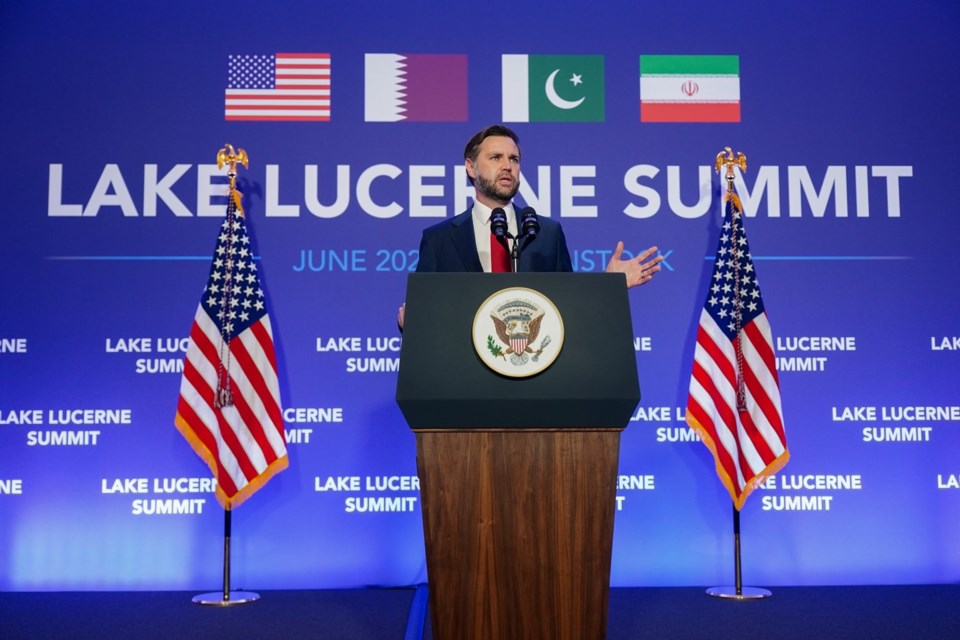
Fresh diplomatic efforts to end months of conflict between the United States, Israel and Iran appear to have gained momentum after high-level talks in Switzerland, with U.S. Vice President JD Vance describing the discussions as a “successful foundation” for a broader agreement aimed at bringing lasting peace to the region.
Following extensive meetings with senior Iranian officials, Vance said negotiators had not yet completed the final agreement but had made meaningful progress toward one. He likened the current stage to laying the foundation of a house, stressing that the structure itself still needs to be built through continued negotiations over the coming weeks.
The talks, hosted with the assistance of Pakistan and Qatar, continued into Monday after beginning the previous day. Despite moments of tension and interruptions caused by sharp remarks from U.S. President Donald Trump, both sides remained engaged and agreed to continue technical negotiations in Switzerland. Mediators described the discussions as encouraging and confirmed that work would continue on key issues surrounding security and the future of Iran’s nuclear program.
One of the most notable proposals raised by the American side involves the possible release of frozen Iranian assets, with the funds potentially being used to purchase American agricultural products such as soybeans, corn and wheat. The idea, reportedly developed with support from Qatar, is intended to benefit ordinary Iranians while maintaining oversight over the process. Iranian officials have not yet publicly endorsed the proposal.
Another area of progress involves efforts to maintain stability in the Strait of Hormuz, one of the world’s most strategically important energy routes. Negotiators are also focusing on preserving a ceasefire between Israel and Hezbollah militants in southern Lebanon, an issue that Tehran has identified as a priority.
Iranian officials signalled optimism, citing major progress toward ending the violence in Lebanon. A fragile ceasefire appears to be holding, with a noticeable reduction in hostilities and no significant exchanges reported overnight. The current lull marks the longest period of calm since fighting escalated earlier this year.
President Trump, although not present in Switzerland, cast a long shadow over the negotiations. Strong comments from Washington briefly strained the atmosphere, prompting Iranian media to report a temporary pause in discussions. However, diplomats from both sides ultimately remained at the negotiating table, allowing talks to proceed.
Technical teams led by senior American envoys Jared Kushner and Steve Witkoff are expected to continue detailed discussions over the next 60 days, the period established under the interim agreement reached last week. The negotiations are aimed at addressing concerns surrounding Iran’s nuclear ambitions while creating a framework for a broader and more durable peace.
After decades of mistrust and months of conflict, both sides appear to be cautiously testing whether diplomacy can succeed where confrontation has repeatedly failed. Whether the foundation laid in Switzerland will lead to a lasting peace remains uncertain, but for now, negotiators are signalling that the door to a historic agreement remains open.