

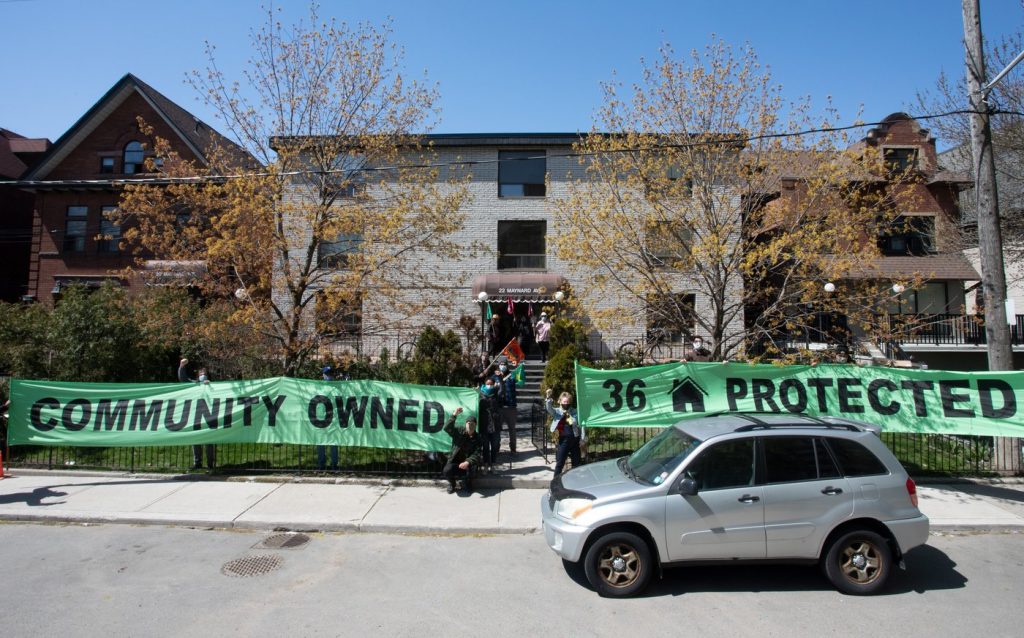
As Toronto prepares for its municipal election this fall, a growing coalition of community organizations believes the vote could shape the future of affordable housing and determine whether thousands of residents can remain in the neighbourhoods they call home.
Across the city, community land trusts—non-profit organizations that purchase buildings and land to preserve affordable housing—are intensifying efforts to secure greater municipal support as rising living costs and redevelopment pressures continue to transform long-established communities. These groups say the October election represents a critical opportunity to strengthen programs that help them acquire vulnerable rental properties before they are lost to speculation and soaring market prices.
A city initiative launched in 2022 with $10 million in funding has already expanded to $100 million, allowing non-profits to purchase apartment buildings and keep rents affordable. Advocates are now pushing to double that amount to $200 million, arguing the increased investment could help preserve about 4,000 housing units over the next four years.
Community leaders are also championing a proposed cultural districts program aimed at protecting neighbourhood identities and supporting communities threatened by displacement and the gradual loss of their cultural heritage. While approval of the initiative is important, advocates say ensuring long-term funding and community involvement will be equally essential.
Experts note that Toronto’s housing debate is evolving. While affordability remains a major concern, attention is increasingly shifting from simply building more homes to ensuring the city has the right mix of housing options. There is growing recognition that market-driven development alone cannot address all housing challenges and that non-profit, community-owned models have an important role to play.
Toronto has become home to more community land trusts than any other city in Canada. Each serves unique neighbourhood needs, from preserving affordable housing to protecting local businesses and maintaining the cultural character of communities undergoing rapid change. In areas such as Little Jamaica and Parkdale, these organizations have emerged as a response to redevelopment projects and rising property values that have forced many residents and businesses to relocate.
Supporters say preserving existing housing is often faster and more cost-effective than constructing new buildings, allowing communities to maintain affordable homes without waiting years for new developments to materialize. At the same time, several land trusts are also participating in new affordable housing projects, demonstrating their ability to address the city’s housing crisis through multiple approaches.
With the municipal campaign approaching, these organizations are preparing to engage candidates and urge future city leaders to view them as partners in tackling Toronto’s affordability challenges. For many residents facing rising rents and fears of displacement, the outcome of the election may prove to be far more than a political contest—it could determine whether their communities remain places they can continue to call home.