

Ontario residents will see several important changes take effect on July 1, including a major overhaul of the province’s auto insurance system and new alcohol taxation rules aimed at simplifying the marketplace.
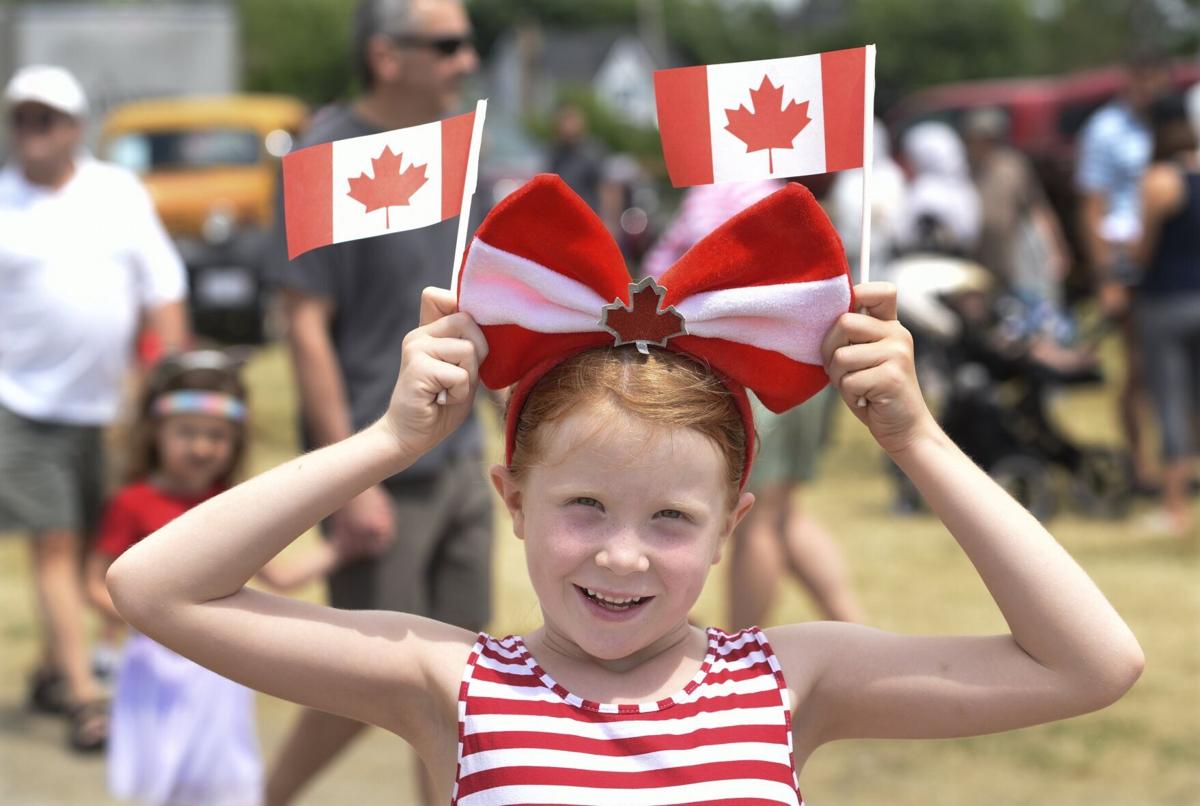
While Canada Day celebrations will mark the country’s 159th birthday, July 1 will also usher in changes that could affect drivers, consumers and businesses across the province.
The most significant change involves Ontario’s automobile insurance system. Beginning July 1, several benefits that are currently mandatory will become optional when policies come up for renewal. Coverage for medical rehabilitation and attendant care will remain mandatory, but benefits such as non-earner income protection, caregiver expenses, lost educational expenses, housekeeping and home maintenance, damage to personal property, death benefits and funeral expenses can now be declined by policyholders.
Insurance experts caution that although eliminating these optional benefits may save drivers only about $100 a year, the reduced coverage could expose motorists to substantial financial risks following a serious accident. In some cases, individuals could be left responsible for expenses that exceed their insurance protection or face income losses after an injury. Industry leaders are urging drivers to carefully review their policies and consult with their insurance providers before making any changes.
Another key change taking effect July 1 is the introduction of a new “first payer” system. Under the revised rules, automobile insurance companies will become the primary source of payment for medical and rehabilitation expenses related to motor vehicle accidents, even if the injured person has coverage through an employer or private health plan.
Meanwhile, Ontario’s alcohol industry is adjusting to a simplified taxation structure introduced earlier this year. Beginning in July, new reporting requirements for manufacturers will officially come into force. The province has consolidated several existing taxes into single rates for beer, wine and spirits, eliminating separate environmental and volumetric taxes in an effort to streamline the system and align it with LCBO wholesale pricing.
Although consumers should not expect immediate reductions in retail alcohol prices, the province says the changes will create a more efficient and competitive marketplace. The LCBO now serves as the exclusive wholesaler for alcohol sold to retailers, bars and restaurants, while wholesale markups have been reduced to create a more level playing field for producers.
As Ontarians prepare for the Canada Day holiday, officials and industry experts are advising residents to familiarize themselves with the new rules. For many drivers and businesses, the decisions made in the coming months could have financial consequences that extend well beyond the summer season.