

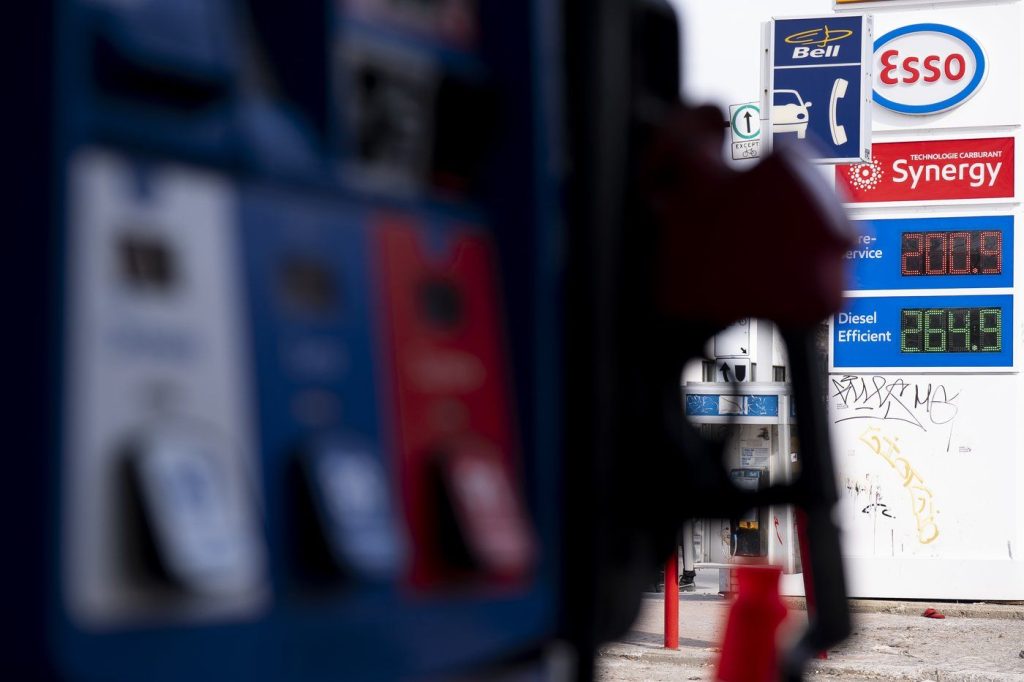
Canadians felt the pinch at the pumps once again in April as soaring fuel prices driven by tensions in the Middle East pushed the country’s annual inflation rate sharply higher, adding fresh pressure on households already struggling with affordability concerns.
According to new figures released by Statistics Canada, the annual inflation rate climbed to 2.8 per cent in April, up from 2.4 per cent in March. The increase was largely fueled by a dramatic jump in gasoline prices linked to ongoing conflict involving Iran, which disrupted global oil shipments and rattled international energy markets.
The latest inflation reading came in slightly below economists’ expectations, as many analysts surveyed by Reuters had predicted inflation would rise above three per cent for the month.
Gasoline prices surged by 28.6 per cent compared with the same period last year, becoming the biggest factor behind the inflation spike. In addition to geopolitical instability, seasonal changes also contributed to the increase, as gas stations transitioned to more expensive summer fuel blends. The annual comparison was further amplified because the federal consumer carbon price had been removed a year earlier, making current fuel costs appear significantly higher year-over-year.
Despite the sharp rise in energy costs, some areas of the economy showed signs of relief for consumers. Prices for travel tours declined during the month, while rent inflation — one of the biggest drivers of affordability pressures in recent years — showed signs of slowing.
Food prices also provided some encouraging news for households. Grocery inflation eased to 3.5 per cent in April compared with four per cent in March, as earlier rapid price increases for products such as chicken, coffee, and tea began to moderate.
Economists say the latest numbers highlight how vulnerable Canada’s economy remains to global conflicts and energy market disruptions. While domestic inflationary pressures in areas such as housing appear to be stabilizing, international crises continue to create uncertainty for consumers, businesses, and policymakers alike.
The rising inflation rate is also expected to complicate future decisions by the Bank of Canada as it weighs whether interest rates should remain elevated longer to control price growth while trying to avoid slowing the economy too aggressively.
For many Canadians, however, the immediate reality is much simpler — higher costs at gas stations are once again eating into household budgets just as many were beginning to hope inflation was finally coming under control.