

New Delhi – India and Canada have agreed on a new roadmap for bilateral relations, signaling a decisive effort to restore and elevate ties following nearly two years of diplomatic tension over the 2023 killing of Canadian Sikh separatist Hardeep Singh Nijjar. The breakthrough came after talks in New Delhi between Canadian Foreign Minister Anita Anand, Indian Prime Minister Narendra Modi, and External Affairs Minister Subrahmanyam Jaishankar, with both sides emphasizing cooperation in key economic and strategic areas.
The joint statement released after the meeting outlined plans to collaborate on critical minerals, trade, and agricultural value chains, highlighting the shared goal of diversifying economic ties away from reliance on the United States, particularly in light of recent U.S. tariff measures. “Reviving this partnership will not only create opportunities for enhanced economic cooperation but also help mitigate vulnerabilities arising from shifting global alliances,” the statement said.
Anand, making her first official visit to India as foreign minister, described the talks as a pivotal step toward strengthening bilateral ties. “Both of our governments agree on the importance of elevating the relationship,” she said in her opening remarks with Jaishankar. Modi also expressed optimism, noting that Anand’s visit would help “impart new momentum” to the partnership between the two countries.
Relations between New Delhi and Ottawa soured in 2023 when then–Prime Minister Justin Trudeau publicly accused India of involvement in Nijjar’s killing, an allegation India strongly denied. In response, India accused Canada of harboring separatist groups linked to the Khalistan movement. Both countries expelled top diplomats and suspended visa services, pushing relations to their lowest point in decades.
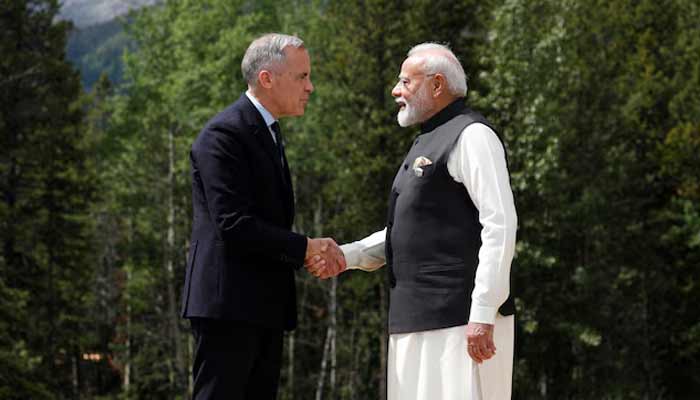
Diplomatic thawing began earlier this year when Prime Minister Mark Carney hosted Modi at the G7 Leaders’ Summit in Kananaskis, Alberta, in June. Since then, both governments have taken steps to re-engage, culminating in this week’s roadmap agreement.
India remains Canada’s top source of temporary foreign workers and international students, and is a key importer of Canadian agricultural products such as lentils and yellow peas. Meanwhile, Canada hosts a 1.7 million-strong Indian diaspora, including an influential Sikh community. Indian officials continue to express concerns over fringe groups in Canada that support the creation of Khalistan, an independent Sikh state carved out of Hindu-majority India.
The new diplomatic roadmap underscores a shared strategic interest in stabilizing and strengthening relations, while addressing areas of friction through structured dialogue. It reflects a pragmatic recalibration by both governments to expand economic cooperation, rebuild trust, and navigate shifting geopolitical dynamics together.