

DUBAI, UAE (March 31, 2026) – Escalating conflict in the Middle East has sent global energy markets into turmoil, as Donald Trump told countries struggling with rising fuel costs to “go get your own oil,” amid growing frustration over international support.
The remarks come as the war involving the United States, Israel, and Iran intensifies, with fresh strikes reported in Isfahan—a key location tied to Iran’s nuclear infrastructure—and retaliatory attacks targeting energy assets across the Persian Gulf.
Oil Markets Under Pressure
The conflict has significantly disrupted global energy supply, particularly through the Strait of Hormuz, a vital chokepoint through which roughly one-fifth of the world’s oil typically passes.
Iran’s control over the waterway and continued attacks on regional infrastructure have pushed oil prices sharply higher, with Brent crude rising more than 45 per cent since the war began in late February. Gasoline prices in the U.S. have surged past $4 per gallon, reflecting the global ripple effects.
Trump Signals Frustration with Allies
President Trump expressed frustration with allied nations reluctant to assist in reopening the strait, suggesting they should secure their own energy supplies or turn to U.S. exports.
His comments highlight widening geopolitical tensions, as Washington balances military escalation with intermittent signals of potential diplomacy.
Intensifying Military Exchange
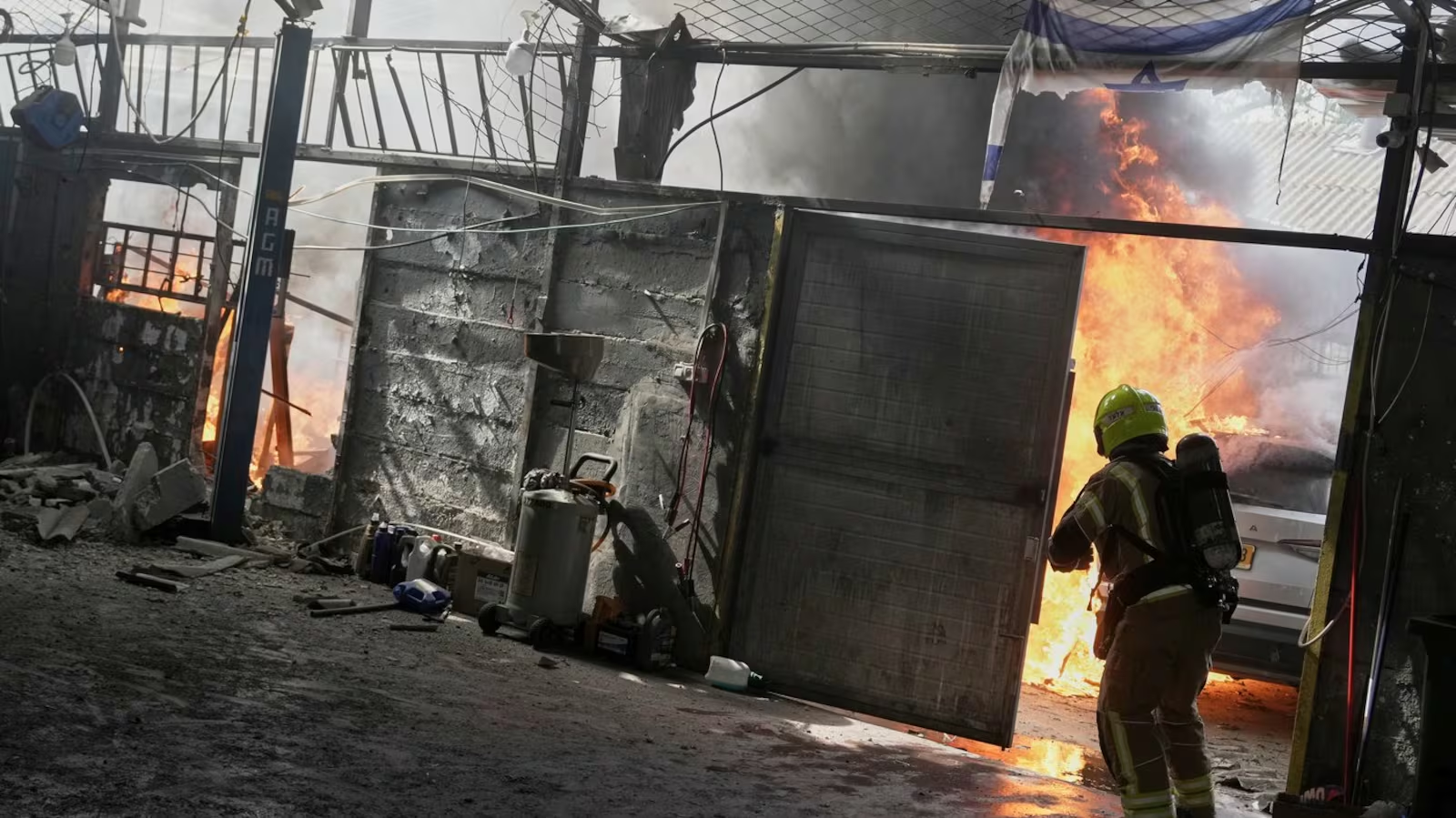
Recent developments include U.S. strikes near Iranian nuclear-related facilities and an Iranian drone attack on a Kuwaiti oil tanker near Dubai, which triggered a fire but caused no major spill.
Missile and drone activity has also spread across the region, with air defence systems activated in countries including Saudi Arabia and Bahrain, underscoring the widening scope of the conflict.
Risk of Broader Escalation
The war has already claimed more than 3,000 lives and threatens to expand further. U.S. officials have warned that failure to reach a ceasefire could lead to a broader offensive, potentially targeting critical infrastructure such as Iran’s key oil export hubs.
Meanwhile, Iran maintains it is targeting military adversaries and has rejected pressure to negotiate under current conditions.
Global Impact Growing
Beyond the battlefield, the conflict is fueling economic uncertainty worldwide. Rising energy costs are contributing to inflation, disrupting supply chains, and increasing the cost of basic goods.
With tensions still escalating and diplomacy uncertain, the situation remains volatile—carrying significant implications for global security, energy markets, and international relations in the weeks ahead.