

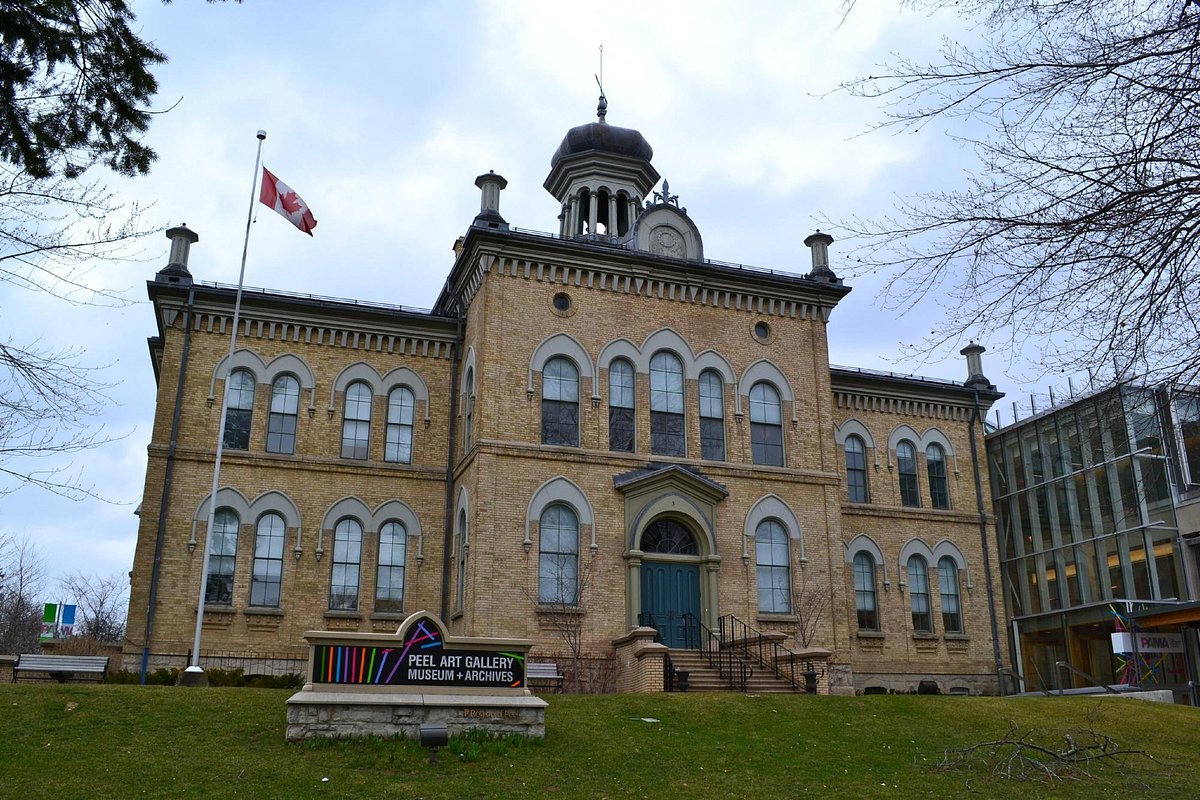
The Brampton is set to make one of its biggest cultural moves in recent years after Peel Regional Council approved the transfer of ownership and operations of the Peel Art Gallery, Museum and Archives to the city, effective January 1, 2028.
The decision gives Brampton full control of one of the region’s most important heritage and cultural destinations, positioning the site as a key driver of tourism, downtown revitalization and creative sector growth.
Located in downtown Brampton, the 60,879-square-foot complex includes several historic buildings such as the former Peel County Courthouse, Gaol, Land Registry Building and old Hydro headquarters. The site houses more than 14,000 catalogued artifacts, 29,000 archaeological objects and over 6,200 works of art. Combined, the property and collections are valued at more than $60 million.
City leaders say the transition is especially significant because Brampton, despite being one of Canada’s largest municipalities, has never had its own city-owned museum and art gallery. By taking over an existing facility, the city avoids the major cost of building a new institution from the ground up.
Officials say savings can now be redirected toward new programming, stronger community access, partnerships and exhibitions that better reflect Brampton’s diversity, stories and local identity.
The move also ties directly into broader redevelopment plans underway in the downtown core. With projects such as Riverwalk, improved public spaces, the future tunnelled Hazel McCallion Light Rail Transit extension, the Centre for Innovation and Heritage Theatre Block, city leaders believe PAMA can become a stronger regional attraction.
The expected transit expansion will improve access to the downtown core and could significantly increase visitor traffic to the museum and surrounding businesses.
A transition board made up of representatives from Brampton, Mississauga, Caledon and Peel Region will oversee the handover over the next two years. During that period, the city will review operations, governance and budgeting before officially assuming control.
Patrick Brown called the move a defining moment for the city, saying it allows Brampton to build on an existing cultural asset while supporting local businesses and strengthening downtown vitality.
Rowena Santos said direct city oversight will help better connect PAMA with Brampton’s other cultural spaces, including The Rose Brampton, Alderlea and Bovaird House.
City officials say residents will be invited to provide feedback as planning begins for the next chapter of the facility.
PAMA will remain open to the public throughout the transition period.