

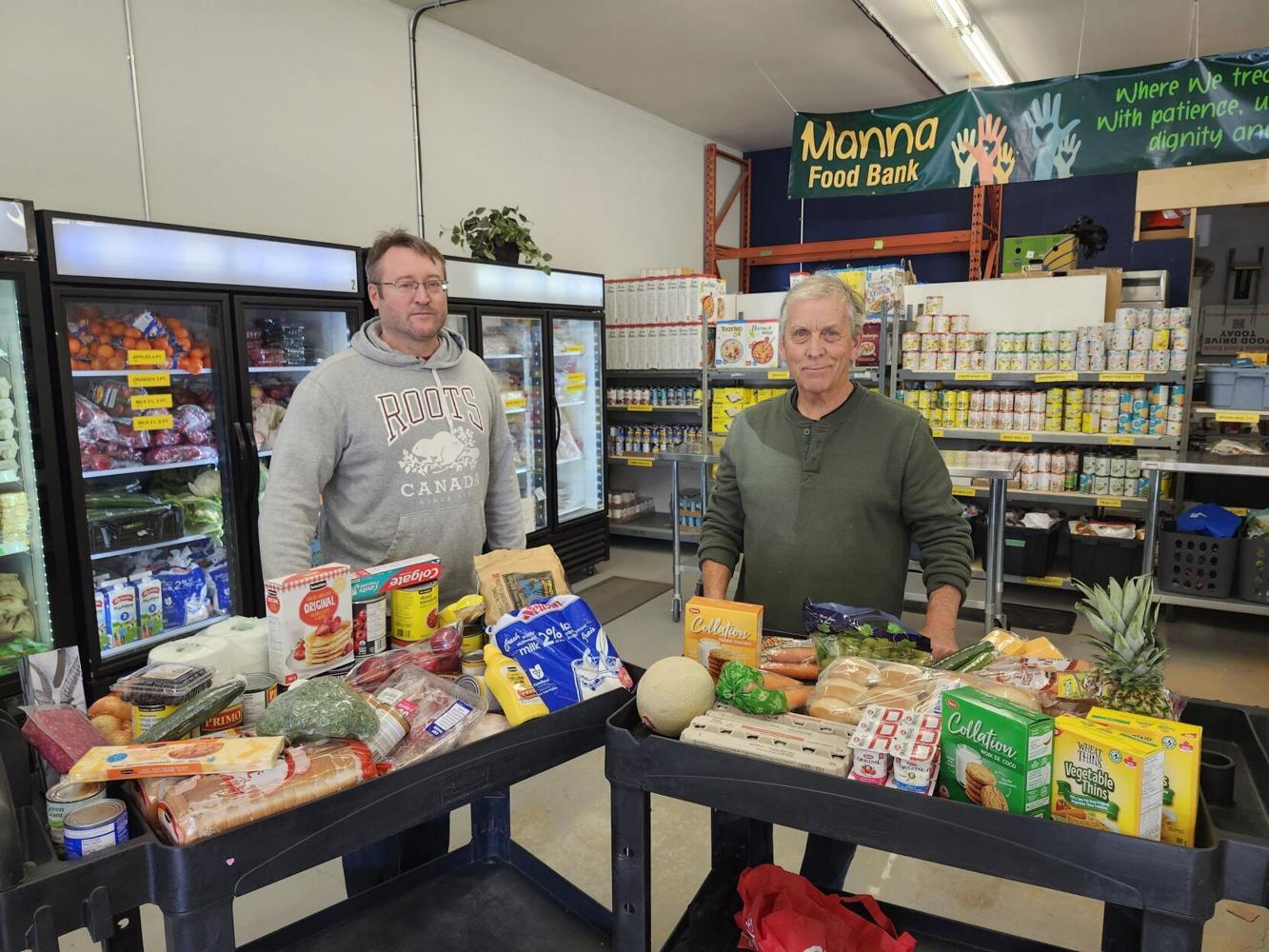
Canadian consumers may soon face another surge in grocery prices as rising diesel fuel costs and global fertilizer shortages begin to ripple through the food supply chain.
Experts warn that farmers across the country are already feeling the pressure, with higher input costs expected to translate into increased prices at the checkout line in the coming months.
Fuel and Fertilizer Driving Costs Up
Agriculture is heavily dependent on fuel and fertilizer—two essentials now seeing sharp price increases. Diesel powers farm equipment, transportation, and distribution, while fertilizers such as urea, potash, and phosphate are critical for crop production.
Global disruptions linked to tensions around the Strait of Hormuz—a key route for both oil and fertilizer exports—have tightened supply and driven prices higher.
Farmers who did not secure fertilizer in advance are now forced to purchase at elevated market rates, increasing their operational costs significantly.
War Impact Rippling Through Food Prices
The ongoing geopolitical instability affecting energy markets is pushing oil prices above $100 per barrel, increasing diesel costs and raising expenses across the entire food chain—from production to transportation, processing, and retail.
Industry analysts warn that food inflation, which had recently begun to ease, could climb again—potentially rising by up to six per cent in the coming months.
Why Consumers Will Feel It
Higher farming costs rarely stay on the farm. Increased expenses for fuel, fertilizer, and logistics are typically passed on to consumers through higher grocery prices.
Even if oil prices stabilize later, supply chain costs may remain elevated until global conditions improve.
Some Relief from Local Markets
There may be some relief for consumers who shop locally. Smaller-scale and nearby farms are less dependent on long-distance transportation and may be less affected by global cost pressures.
Farmers’ markets, especially during the spring and summer seasons in Ontario, could offer relatively more stable pricing compared to large-scale retail supply chains.
Outlook
With planting season underway and costs already rising, experts caution that Canadians should prepare for renewed pressure on household grocery bills.
While the situation remains fluid, the combination of global conflict, energy volatility, and agricultural input costs suggests that food affordability will remain a key concern in the months ahead.