

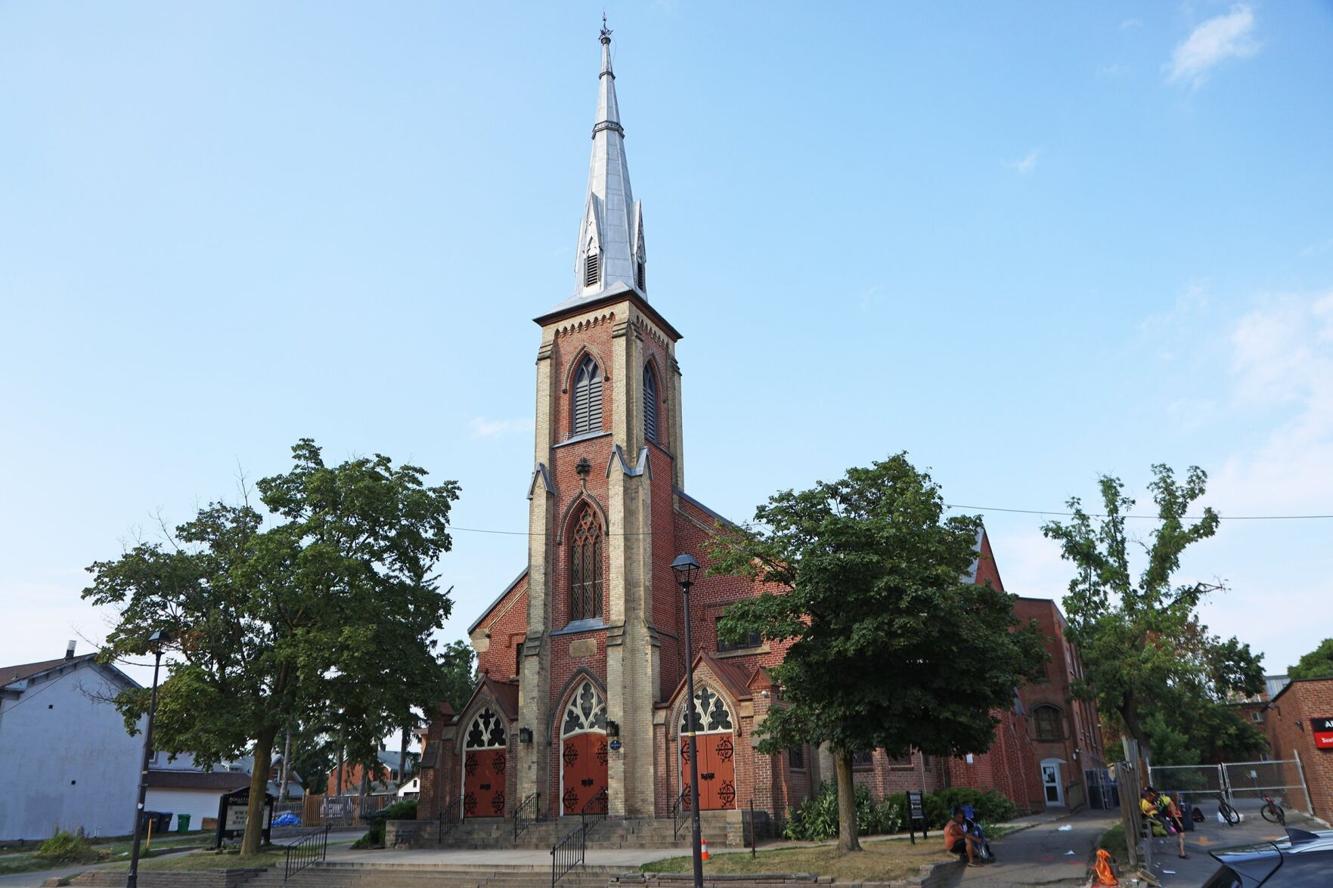
Nearly a month after Brampton council voted to threaten legal action against Grace United Church and its tenant, Regeneration Outreach Centre, neither group has heard from the city — a silence they say is deeply disappointing given the urgent issues at stake.
The dispute stems from a July 17 council motion, led by Councillor Rowena Santos, directing the city solicitor to send a warning letter citing public safety concerns at the downtown site on Main Street North, where Regeneration serves unhoused and vulnerable residents. The city has provided no specific crime data, and Peel police have not released related statistics.
Grace United’s leadership has rejected the claim that the church is legally responsible for incidents in the surrounding neighbourhood, urging the city and police to provide more patrols instead. In a letter to councillors, trustee board chair Chris Moon stressed that most clients are law-abiding and that relocating Regeneration would merely shift the problem elsewhere, especially as recent encampment bans have pushed people back toward the church.
Regeneration’s acting CEO, Jenna Robson, says the centre will continue serving 150–200 people daily, noting that homelessness in Peel has jumped 93 per cent since 2021 and that affordable housing, treatment programs, and shelters are already stretched beyond capacity. “We will not walk away from those who rely on us,” Robson wrote, calling for wraparound supports rather than enforcement alone.
Community advocates have rallied behind the church and outreach hub. Michelle Bilek of the Peel Poverty Action Group condemned the legal threats as “inhumane” and politically motivated, accusing council of scapegoating service providers instead of tackling the housing crisis. PPAG has launched a letter-writing campaign and is prepared to escalate to protests or civil disobedience if the city proceeds with legal action.
While Santos maintains that the issue is about finding a safer, more suitable location for services, opponents insist that dialogue, investment in supportive housing, and collaboration — not relocation — are the real solutions.