

Toronto’s decision to invest public funds in FIFA World Cup tickets appears set to pay off, with city officials reporting that nearly all of the tickets purchased through host-city privileges have now been sold ahead of the tournament’s opening match.
As preparations enter the final stages before the FIFA World Cup kicks off in Toronto, the City of Toronto says fewer than 70 tickets remain unsold from the more than 3,500 tickets it acquired as part of a revenue-generating strategy tied to its role as a host city.
The initiative was launched last year when city officials approved the purchase of 3,546 general admission tickets for the six World Cup matches scheduled to take place in Toronto. The tickets were acquired through special host-city allocations and were intended to be resold to corporations, community groups, soccer supporters, and other interested buyers. The objective was to recover the initial investment and generate additional revenue that could be used to support future events and city initiatives.
In addition to general admission tickets, Toronto also purchased hospitality packages as part of a broader strategy designed to maximize returns from the city’s participation in the world’s largest sporting event.
According to city officials, the overwhelming majority of the tickets have already been sold. The remaining inventory is expected to be purchased through host-city donor agreements before the tournament begins, effectively resulting in a complete sellout of the city’s allocation.
Municipal representatives say the strategy has already succeeded in covering the original cost of the ticket purchases and is expected to generate a financial surplus. While the city has not publicly disclosed the anticipated profit, officials confirmed that the investment will produce revenue beyond the initial expenditure.
Supporters of the initiative argue that the strategy demonstrates prudent financial planning by leveraging host-city privileges to offset some of the significant costs associated with staging the tournament. Critics, however, have previously questioned the use of taxpayer dollars to purchase tickets, raising concerns about financial risk and public accountability.
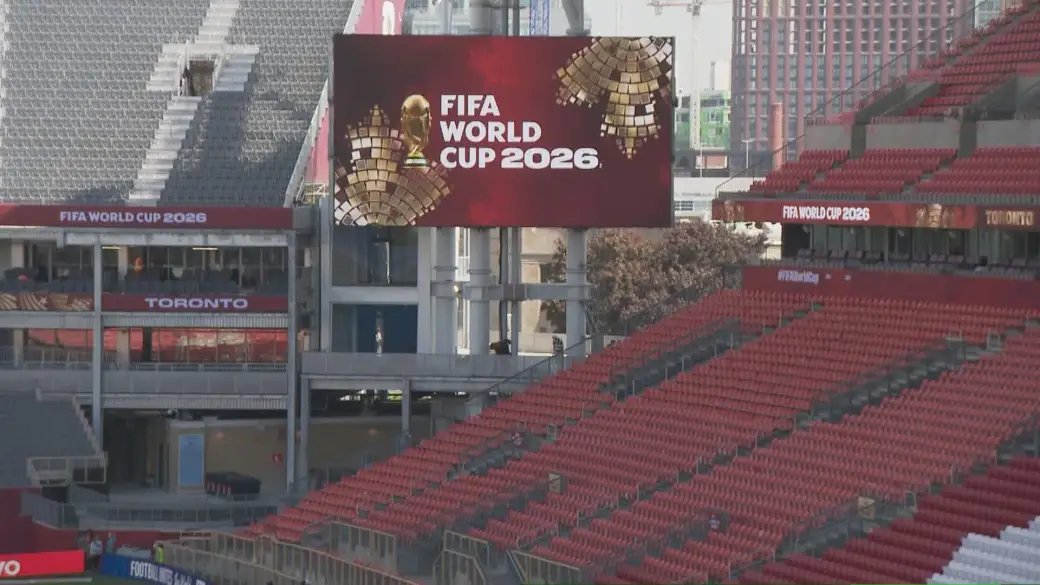
Toronto is one of two Canadian host cities for FIFA World Cup 2026 and will stage six matches between June 12 and July 2 at BMO Field, temporarily renamed Toronto Stadium for the duration of the tournament. Participating nations scheduled to play in Toronto include Canada, Germany, Croatia, Senegal, Bosnia and Herzegovina, Panama, Ghana, Côte d’Ivoire, and Iraq.
The FIFA World Cup represents one of the largest international events ever hosted by the city. Current estimates place the total cost of Toronto’s participation at approximately $380 million, funded through contributions from the federal government, the Province of Ontario, and the City of Toronto. The municipal government is responsible for the largest share of the investment.
City leaders have consistently argued that the tournament will deliver substantial long-term economic benefits through tourism, international exposure, job creation, and business opportunities. With stadium tickets in high demand and international visitors already beginning to arrive, officials believe Toronto is well-positioned to capitalize on the global spotlight.
As the countdown to kickoff continues, the near-complete sellout of the city’s ticket inventory provides an early indication of the enormous public interest surrounding FIFA World Cup 2026 and suggests that at least one aspect of Toronto’s World Cup investment strategy is delivering the results city officials had hoped for.