

President Donald Trump has ordered the suspension of the U.S. diversity visa lottery program, saying it allowed the suspect in deadly shootings at Brown University and the Massachusetts Institute of Technology to enter the country.
Homeland Security Secretary Kristi Noem said Thursday on the social platform X that, at Trump’s direction, she instructed U.S. Citizenship and Immigration Services to pause the program.
“This heinous individual should never have been allowed in our country,” Noem said, referring to Claudio Neves Valente, a 48-year-old Portuguese national.
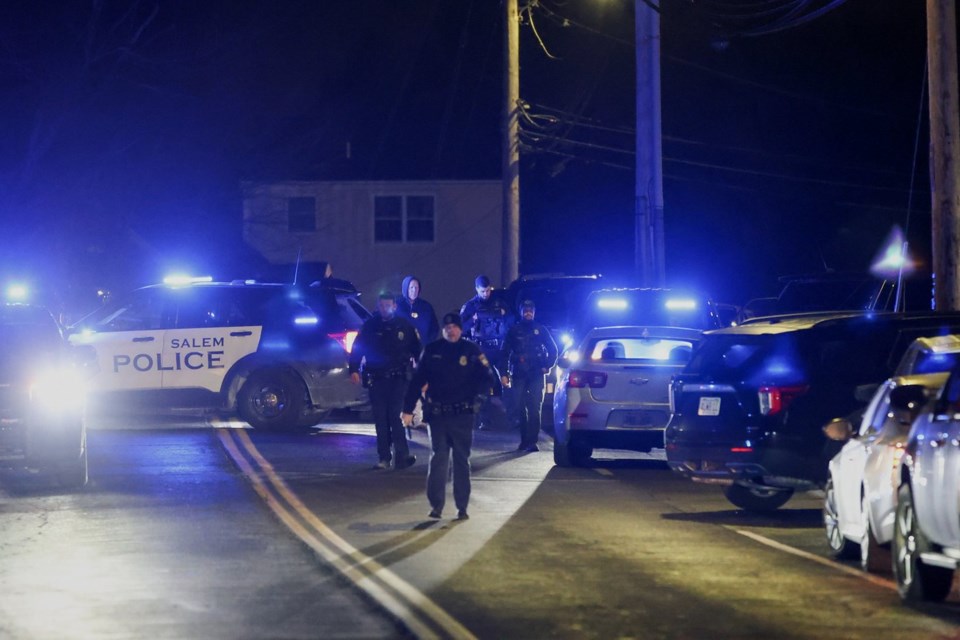
Authorities say Neves Valente is suspected in shootings at Brown University that killed two students and wounded nine others, as well as in the killing of an MIT professor. Officials said he was found dead Thursday evening from a self-inflicted gunshot wound.
According to a Providence police affidavit, Neves Valente first came to the United States in 2000 on a student visa to study at Brown. In 2017, he was issued a diversity immigrant visa and later obtained legal permanent resident status. It remains unclear where he was between taking a leave of absence in 2001 and receiving the visa in 2017.
The diversity visa program, created by Congress, makes up to 50,000 green cards available each year by lottery to applicants from countries with low levels of immigration to the United States. Nearly 20 million people applied for the 2025 lottery, with more than 131,000 selected, including family members. Portuguese citizens received 38 slots.
Lottery winners must still undergo interviews and vetting at U.S. consulates before being granted permanent residence.
Trump has long opposed the program, and its suspension is expected to face legal challenges. The move follows previous efforts by his administration to curb both legal and illegal immigration, including restrictions imposed after other high-profile crimes involving immigrants.
While pursuing mass deportations, Trump has also sought to limit pathways to legal immigration, even when established in law. The Supreme Court has recently agreed to hear his challenge to birthright citizenship.