

OTTAWA — Artificial intelligence is expected to dominate the discussion as industry, digital and technology ministers from the world’s leading Western nations meet in Montreal this week, with Canada using its G7 presidency to push for deeper global cooperation on rapidly evolving technologies.
The two-day gathering is part of a series of ministerial meetings that accompany Canada’s leadership of the G7 this year — a role that included hosting world leaders in June at Kananaskis, Alta., where Prime Minister Mark Carney welcomed representatives from the United States, the European Union, France, Germany, Italy, Japan and the United Kingdom.
Experts say the Montreal discussions could be pivotal. Mark Daley, professor and chief AI officer at Western University, stressed that collaboration is essential as technological advances accelerate globally. “The faster the world moves, the more important co-operation is,” he said, noting that AI is transforming societies at “the speed of light.” He called the ministers’ meeting a critical opportunity for alignment and coordination on shared challenges.
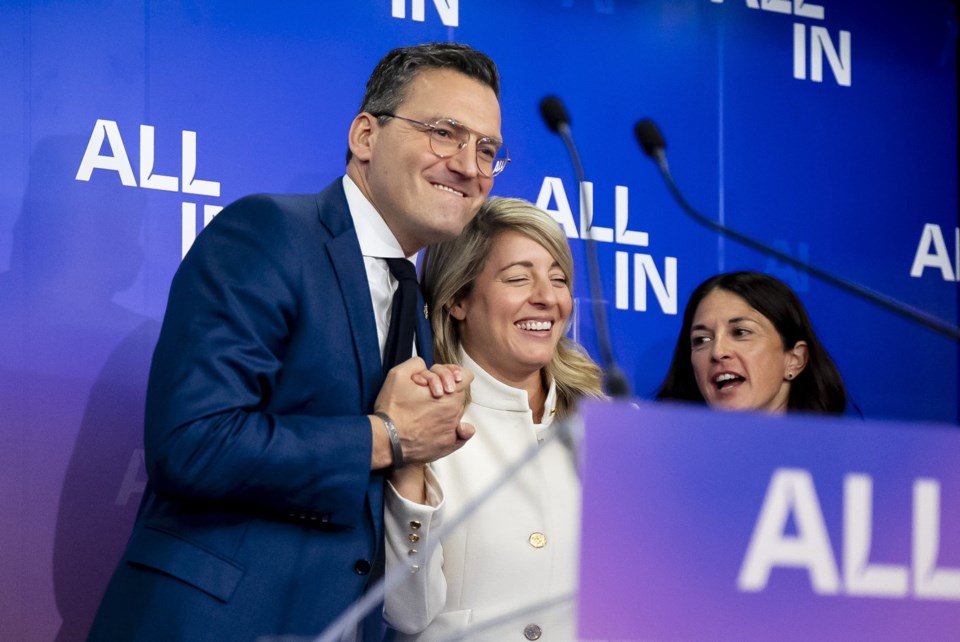
Artificial Intelligence Minister Evan Solomon said he expects a “productive” meeting, highlighting Canada’s priorities: strengthening trade partnerships, attracting investment, and ensuring that collaborations help reinforce Canada’s sovereign capabilities in both AI and quantum technology. Innovation Minister Melanie Joly will also host alongside Solomon.
Paul Samson, president of the Centre for International Governance Innovation and an attendee at the meeting, said the agenda will combine traditional industrial policy with emerging tech issues. But he predicts AI will dominate — potentially taking up half of all discussions — because of its sweeping economic and social implications.
Heidi Tworek, a professor at the University of British Columbia, noted that Canada, as host, has an opportunity to shape the conversation, including through the deliberate choice to hold the meeting in Montreal, a global hub for AI research and development.
At their June summit, G7 leaders pledged to accelerate AI adoption in the public sector and among small businesses, while also promising to boost investment in quantum technologies. This week’s ministerial gathering is expected to build on those commitments — a reversal of the usual order of meetings, driven by the timing of Canada’s spring election.
The discussions also land at a moment when the G7 is divided over AI regulation. The European Union has championed stricter regulatory controls, while the United States — under the Trump administration — has resisted. Tworek said the meeting’s outcomes may hinge on American priorities, noting “tensions” over the EU’s legislative direction.
Still, there is broad agreement among G7 countries that AI will play a foundational role in future public services, economic growth and national competitiveness — a consensus not universally shared elsewhere in the world.
A joint G7 statement from June committed members to working together to adopt AI in public services to improve efficiency and service quality.
Daley emphasized that global governance of AI will not be solved this week, but understanding each country’s direction is crucial. For Canada, he said, being at the table ensures the country can align with partners and identify future collaborations.
He also pointed to a less glamorous but vital issue likely to arise: interoperability and technical standards for AI systems. “Standards can change the world,” Daley said, adding that this is an area where Canada, as a middle power, has historically exercised significant influence.
The Montreal meeting underscores how central digital technologies have become to geopolitics — and the growing pressure on countries like Canada to help shape the global rules governing them.