

A newly announced agreement between the United States and Iran has sparked international debate over whether Washington negotiated from a position of strength or whether Tehran secured significant concessions in exchange for easing tensions in the Middle East and reopening critical global shipping routes.
The 14-point agreement, signed by U.S. President Donald Trump and Iranian President Masoud Pezeshkian, establishes a 60-day ceasefire framework intended to create conditions for broader negotiations on Iran’s nuclear program and long-term regional stability.
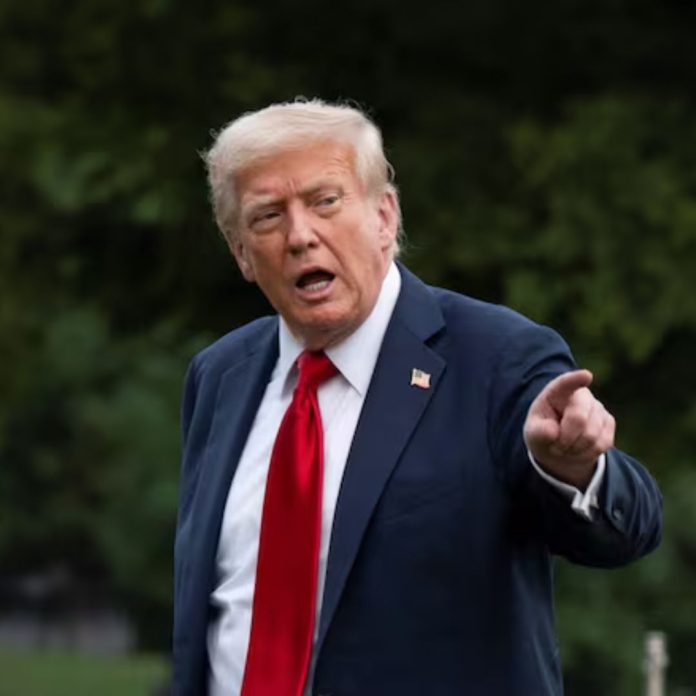
President Trump described the agreement as a major diplomatic success, arguing that it prevented a potentially devastating global economic crisis. He stated that failure to reach an agreement could have resulted in severe disruptions to international trade and energy markets, particularly if the strategically important Strait of Hormuz remained closed to shipping traffic.
The Strait of Hormuz is one of the world’s most critical maritime chokepoints, carrying a significant portion of global oil exports. Any prolonged disruption to traffic through the waterway could have major consequences for energy prices and the global economy.
American officials have emphasized that the agreement creates an opportunity to address concerns surrounding Iran’s nuclear activities. Planned discussions reportedly include measures to reduce Iran’s stockpile of highly enriched uranium under international supervision and establish mechanisms aimed at preventing the development of nuclear weapons.
However, critics of the agreement point to a series of concessions granted to Iran as evidence that Tehran emerged from the negotiations with substantial benefits. Among the measures reportedly included in the agreement are the lifting of restrictions affecting Iranian ports, waivers facilitating oil exports, potential removal of international sanctions, access to frozen financial assets, and proposals for large-scale reconstruction and investment initiatives supported by regional partners.
Iranian officials have strongly rejected claims that the agreement represents an American victory. Senior Iranian negotiators have characterized the outcome as evidence that international pressure failed to force major concessions from Tehran and have argued that the agreement reflects recognition of Iran’s regional influence and negotiating position.
One of the most closely watched aspects of the agreement involves future shipping arrangements through the Strait of Hormuz. While vessels are expected to enjoy toll-free passage during the initial 60-day period, Iranian officials have indicated that discussions regarding long-term shipping fees and sovereignty issues remain unresolved.
The agreement also addresses security concerns in Lebanon and broader regional tensions. Provisions reportedly include efforts to reduce military escalation while encouraging restraint among various regional actors and allied groups.
Despite the breakthrough, many of the most difficult issues remain unresolved. Future negotiations are expected to focus on Iran’s nuclear program, sanctions relief, ballistic missile capabilities, regional influence, and long-term security arrangements throughout the Middle East.
Analysts note that both sides are presenting the agreement as a victory to domestic audiences. The United States highlights the potential reduction of nuclear risks and protection of global economic stability, while Iran points to sanctions relief, economic benefits, and recognition of its strategic position.
Whether the agreement ultimately proves successful will depend on implementation, compliance, and the ability of both countries to transform the temporary ceasefire framework into a broader and more durable diplomatic settlement. For now, the deal has reduced immediate tensions and lowered the risk of further conflict, but significant challenges remain before lasting peace and stability can be achieved.