

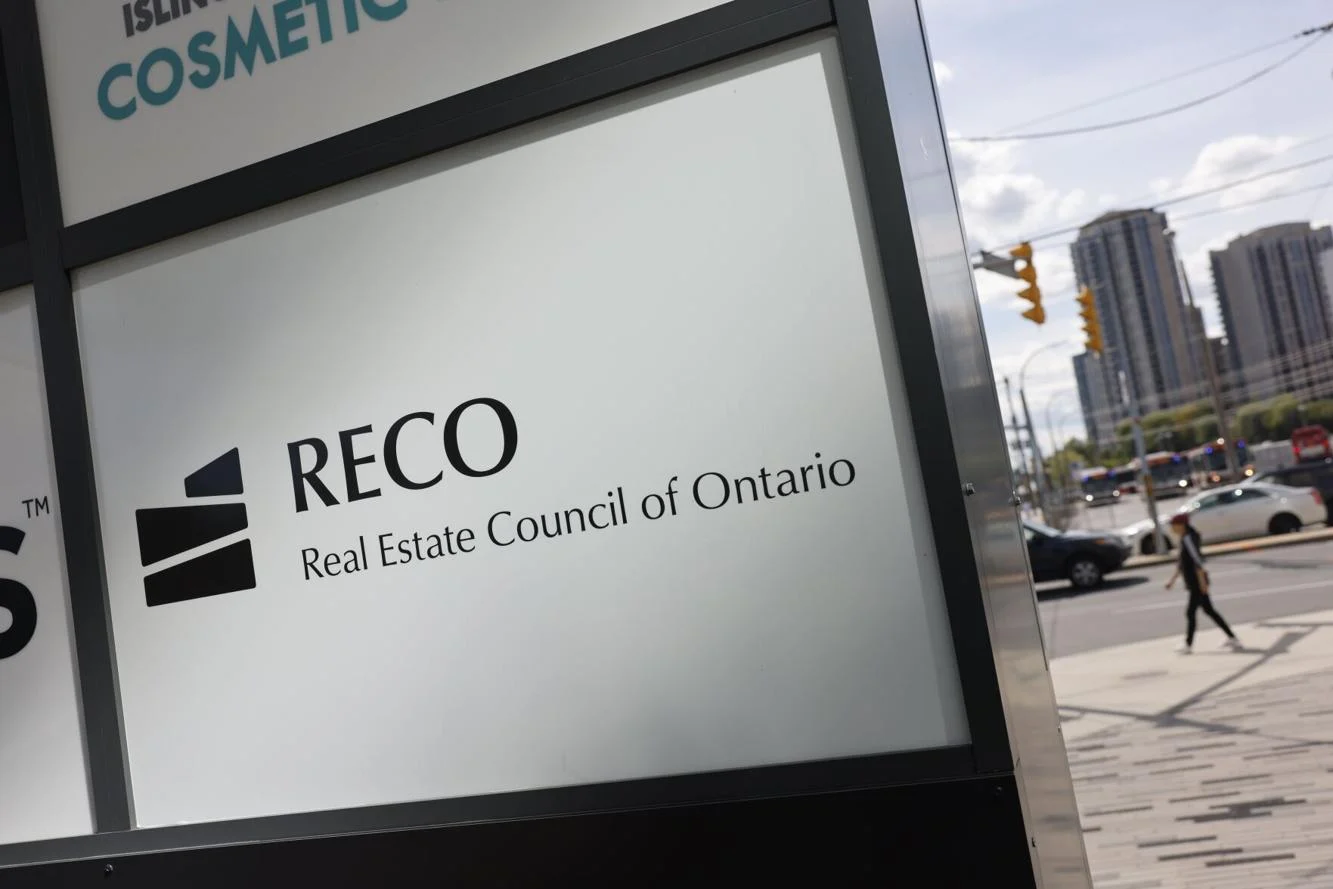
Two of Ontario’s most influential real estate organizations are backing the province’s plan to step in and take control of the Real Estate Council of Ontario (RECO) following its handling of the high-profile iPro Realty trust fund scandal.
In a letter dated Nov. 13 to RECO board chair Stephen Crawford, Minister of Public and Business Service Delivery and Procurement said it is “appropriate and necessary” to consider appointing an external administrator to assume control of the regulator. He gave RECO’s board 15 days to respond before making a final decision.
A day later, on Nov. 14, the Ontario Real Estate Association (OREA) and the Toronto Regional Real Estate Board (TRREB) issued a joint statement saying they “fully support” Crawford’s letter and his “decisive action” on accountability.
“We endorse the intention to appoint an administrator to ensure RECO gets back to the basics of fulfilling its consumer protection mandate,” the statement said, adding that both groups remain committed to working with the province on reforms that strengthen transparency, accountability, and public confidence in the real estate market.
The statement was signed by OREA president Cathy Polan and CEO Luigi Favaro, along with TRREB president Elechia Barry-Sproule and CEO John DiMichele.
Crawford’s move follows his review of an independent audit of RECO’s handling of the iPro case by legal firm Dentons Canada LLP. The report, released publicly by RECO on Nov. 13, identified serious shortcomings in the regulator’s practices, processes, procedures, and overall organizational culture.
RECO said its board “fully endorses all the recommendations” in the Dentons report and has already begun, or in some cases completed, many of the reforms.
The review found that in the iPro matter, RECO’s former registrar deviated from the regulator’s standard approach in cases involving misappropriation of trust funds. Instead of immediately pursuing suspension and freeze orders followed by a request to revoke registration, the registrar opted for an undertaking agreement intended to facilitate the sale of iPro’s assets so that the proceeds could be used to cover a shortfall in trust accounts. Dentons noted that once this course was set on May 19, 2025 — the same day iPro first disclosed a roughly $10-million shortfall — the registrar appears not to have seriously considered alternative regulatory tools.
RECO went public with the iPro situation on Aug. 14, announcing that the brokerage had agreed to terminate its registration and would close as of Aug. 19. The regulator has since frozen iPro’s accounts to safeguard remaining funds. At its peak, iPro employed about 2,400 agents across 17 offices, including locations in Mississauga, Brampton, Burlington, Milton, Georgetown, Woodbridge, Orangeville and Pickering.
The fallout has been financially devastating for many agents. Realtor Maria Florez, who says she has been directly affected by “RECO’s failures,” is urging the provincial government to intervene immediately to ensure unpaid commissions are released.
“With the holiday season approaching, hundreds of hardworking professionals remain unpaid for transactions they completed as far back as the spring and summer,” she said in a Nov. 14 email to media outlets. “Many are struggling to meet basic financial obligations. The impact is devastating.”
Frustration has already spilled into public protest. On Nov. 6, dozens of realtors demonstrated outside RECO’s Etobicoke office, demanding that the regulator unfreeze iPro’s trust accounts. Another protest is being organized for Nov. 28 at Queen’s Park, as pressure mounts on both RECO and the province to resolve the crisis and restore confidence in the regulatory system.