

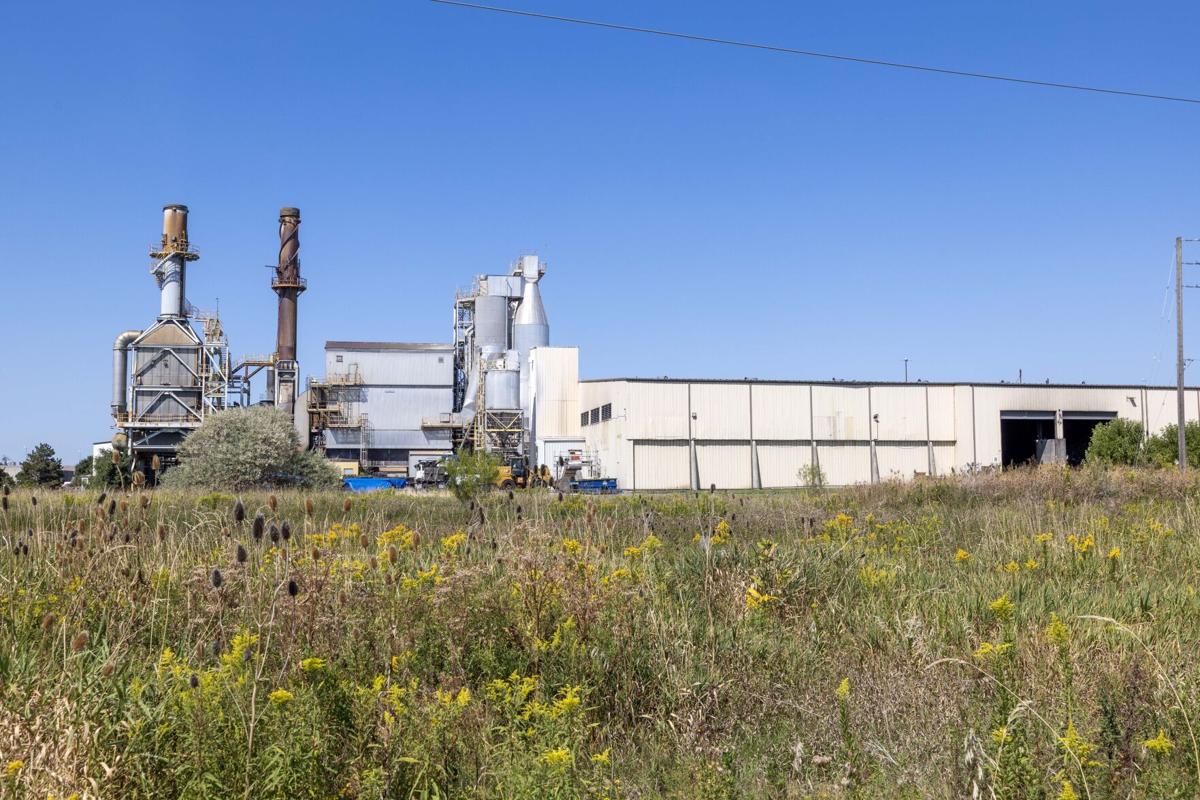
The Ontario government has approved a major expansion of the Emerald Energy from Waste plant in Brampton, despite objections from Peel Region and environmental advocates over possible health and air quality impacts.
Located on Bramalea Road south of Highway 407, the facility is expected to begin construction this October. Once completed, it will become one of the largest energy-from-waste incinerators in North America, increasing its current capacity sixfold. The upgraded plant would burn up to 900,000 tonnes of waste annually and generate 100 megawatts of electricity — enough to power approximately 60,000 homes.
The expansion comes as Ontario municipalities search for alternatives to landfill sites, which create methane emissions and can contaminate groundwater. Supporters say waste-to-energy plants reduce landfill dependence while generating electricity from garbage.
However, critics argue that burning waste creates its own environmental burden, releasing carbon dioxide and other potentially harmful pollutants into the air.
In a letter sent last year to Ontario’s environment ministry, Peel Region warned that the expansion could cause some air pollutants to exceed regulatory limits in nearby neighbourhoods where residents already experience higher rates of chronic lung and heart conditions. Regional officials also noted concerns about pollutants that can persist and accumulate in the environment over time.
Despite nearly 450 requests from community members and advocacy groups for a full environmental assessment, the province allowed the project to proceed through a streamlined review process. Ontario Environment Minister Todd McCarthy acknowledged possible increased risks to human health and the environment, but approved the project with conditions.
Those conditions include enhanced emissions monitoring and the use of best-available pollution control technologies before the project can move to the next stage of approvals.
Peel Public Health said it will continue reviewing the project and providing evidence-based recommendations to protect residents.
Industry supporters say the plant could reduce millions of tonnes of Ontario waste currently trucked to landfills in the United States, while also creating jobs and easing pressure on existing disposal systems.
Still, critics question whether the high cost of incineration and the continued need for landfill disposal of ash make it a true long-term solution. Even after burning waste, roughly 20 per cent remains as ash that still needs to be managed.
The debate now shifts from approval to accountability, as residents and officials closely watch whether the promised safeguards can truly protect community health while meeting Ontario’s growing waste challenge.