

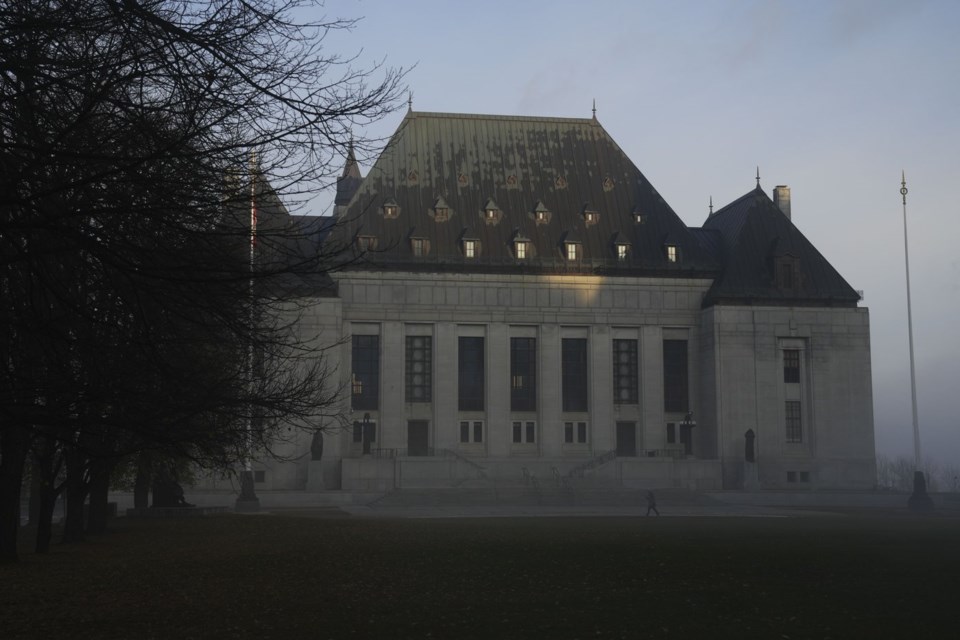
Ottawa, ON – The Supreme Court of Canada has ruled in favour of Toronto homeowners Pawel Kosicki and Megan Munro, confirming their ownership of a disputed portion of their backyard that had been claimed by the City of Toronto.
Kosicki and Munro purchased their property in 2017 and later discovered that the city held legal title to a section of land enclosed by a chain-link fence, which they had been using as part of their backyard and maintaining as a play space for their children. The fenced-in land backs onto a municipal laneway separating their property from a public park and had been inaccessible to the public for over 50 years.
When the couple approached the city about purchasing the land, the city refused, citing potential plans to expand park access. This prompted Kosicki and Munro to seek a declaration of possessory title — commonly known as adverse possession or squatter’s rights.
Both the Ontario Superior Court and the province’s Court of Appeal had ruled against the couple, but in a narrow 5-4 decision released Friday, the Supreme Court reversed those rulings.
Writing for the majority, Justice Michelle O’Bonsawin stated that the Real Property Limitations Act does not exempt municipal parkland from adverse possession claims, noting that the city’s title had been extinguished more than four decades ago. “Its title cannot be resurrected,” O’Bonsawin wrote, emphasizing that attempts to create a common law exception for municipal parkland would undermine the legislature’s clear policy choices.
The decision is seen as a significant clarification of adverse possession law in Ontario, reaffirming that municipal land is not automatically immune to claims when all statutory conditions — including exclusive, peaceful, and continuous possession for at least ten years — have been met.