

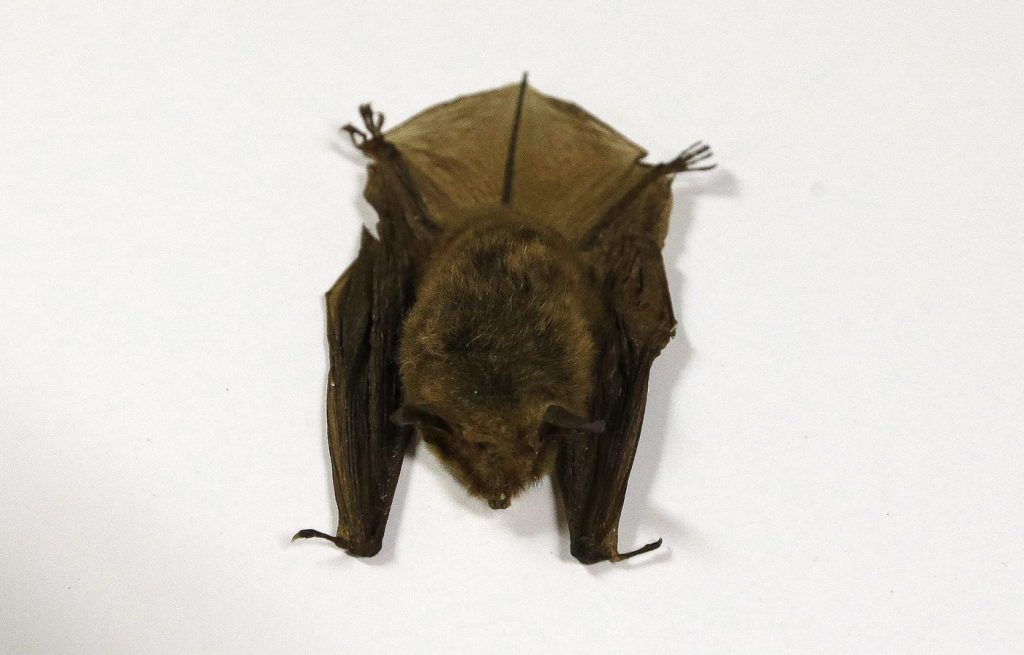
Health experts across Canada are urging the public to seek immediate medical attention after any physical contact with a bat following the tragic death of an 11-year-old Ontario boy from rabies, a preventable but almost always fatal disease once symptoms develop.
The renewed warning comes after physicians published a case report in the Canadian Medical Association Journal detailing the child’s death, with the hope that greater public awareness will help prevent similar tragedies in the future.
The boy was spending time at his family’s cottage in northern Ontario during the summer of 2024 when he awoke to find a bat lying across his nose and mouth. He quickly brushed the bat away, and his father captured and released it outside. Since there were no visible bites or scratches and the bat did not appear to be acting unusually, the family did not suspect rabies or seek medical attention.
Nearly three weeks later, the child began experiencing tingling, numbness and swelling on one side of his face. Initially believed to be Bell’s palsy, his condition rapidly deteriorated over the following days. He was admitted to McMaster Children’s Hospital in Hamilton after developing difficulty swallowing, vomiting, facial weakness and slurred speech. Despite intensive medical care, his neurological condition continued to worsen, and he eventually lost all brain stem function. Surrounded by his family, he later passed away after life support was withdrawn.
Dr. Brian Hummel, a pediatric infectious disease specialist at McMaster Children’s Hospital and senior author of the report, said the child’s family wanted their heartbreaking experience to serve as a public health lesson. He emphasized that rabies is almost universally fatal once symptoms appear, but it is also almost entirely preventable if treatment begins immediately after exposure.
Rabies attacks the body’s nervous system, travelling from the point of entry through the nerves to the brain, where it causes irreversible damage. Although human rabies cases remain extremely rare in Canada, the disease carries one of the highest fatality rates of any infectious illness after symptoms begin.
Only 28 human rabies cases have been reported in Canada since 1924. The Ontario child’s death marked the province’s first confirmed human rabies case since 1967. The previous Canadian case occurred in British Columbia in 2019 following exposure to a bat.
Medical experts note that while rabies can also be transmitted through animals such as raccoons, skunks and foxes, bats remain the leading source of human rabies exposure in Canada. Because bats have very small teeth, bites often go unnoticed, and even without a visible bite or scratch, infected saliva can enter the body through tiny cuts or the eyes, nose or mouth.
Doctors are advising Canadians to seek immediate medical assessment whenever a bat has made direct contact with a person. Public health officials can determine whether post-exposure treatment is necessary.
Preventive treatment consists of an immediate dose of rabies immunoglobulin, which provides instant protection, along with a series of rabies vaccinations administered over two weeks. This treatment is highly effective in preventing the disease before symptoms develop.
Health professionals acknowledge that modern rabies vaccines may cause temporary side effects such as mild fever, chills, fatigue or soreness at the injection site, while serious reactions remain extremely rare. Given the near certainty of death once rabies symptoms appear, experts stress that the benefits of prompt vaccination overwhelmingly outweigh any potential risks.
The tragic case serves as a powerful reminder that even seemingly harmless encounters with bats should never be ignored. Early medical evaluation and preventive treatment remain the best—and often the only—protection against one of the world’s deadliest viral infections.