

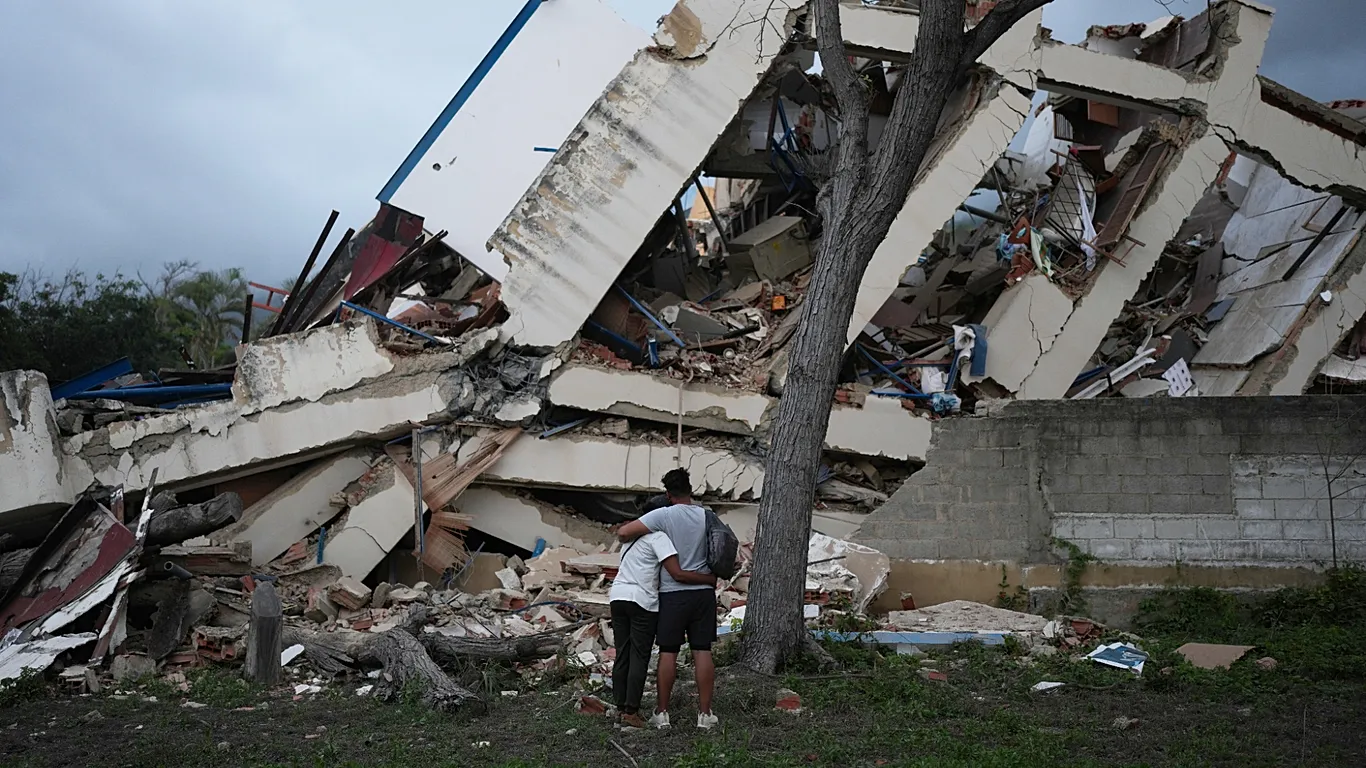
Rescue teams from around the world are racing against time in Venezuela as more than 68,000 people remain missing following two devastating earthquakes that struck the country earlier this week, leaving widespread destruction and one of the deadliest natural disasters in the nation’s recent history.
The powerful back-to-back earthquakes, measuring 7.2 and 7.5 in magnitude, rocked Venezuela on Wednesday, reducing residential buildings, businesses, and public infrastructure to rubble across several regions. According to the latest official figures, at least 1,430 people have lost their lives, while another 3,238 have been injured. Authorities fear the death toll could rise significantly as thousands of people are still unaccounted for beneath collapsed structures.
An unprecedented international humanitarian response is now underway. More than 30,000 Venezuelan emergency personnel are leading search-and-rescue operations with assistance from specialized teams arriving from around the world. Heavy machinery, rescue dogs, medical teams, and disaster experts continue working around the clock in the desperate search for survivors.
Acting President Delcy Rodríguez announced that 24 countries have joined the international relief effort by providing more than 521 tonnes of emergency supplies, deploying 86 trained canine search teams, and sending over 2,741 search, rescue, and humanitarian support personnel to assist affected communities.
Across the disaster zone, families and volunteers continue digging through mountains of debris using both heavy equipment and hand tools in the hope of finding loved ones alive. Heartbreaking videos circulating on social media have captured emotional rescue operations in which emergency workers have pulled survivors—including young children and infants—from the ruins of collapsed buildings, offering rare moments of hope amid overwhelming tragedy.
Disaster experts caution that the first 72 hours following a major earthquake offer the greatest chance of locating survivors trapped beneath rubble. As that critical window has now passed, rescue efforts have become increasingly challenging, although emergency crews continue searching tirelessly in areas where signs of life may still exist.
The international community has expressed strong solidarity with Venezuela. European Union High Representative for Foreign Affairs Kaja Kallas said she spoke with Acting President Rodríguez to convey condolences to the families who lost loved ones and reaffirm Europe’s commitment to supporting relief efforts. The European Union has already announced €5 million in emergency humanitarian assistance to help affected communities.
The economic impact of the disaster is expected to be enormous. A preliminary assessment by the United Nations Development Programme estimates that direct physical damage caused by the earthquakes has reached approximately US$6.7 billion, with extensive destruction to homes, hospitals, schools, transportation networks, and other critical infrastructure.
As rescue operations continue and humanitarian aid pours into the country, Venezuela faces the enormous challenge of recovering from one of the most destructive natural disasters in its history. With tens of thousands of people still missing and entire communities devastated, the coming days will remain critical for both emergency response efforts and the nation’s long road to rebuilding.