

– U.S. President Donald Trump has indicated a willingness to allow humanitarian oil shipments to Cuba, stating he has “no problem” with a Russian tanker delivering fuel to the island despite the ongoing U.S. blockade.
Speaking aboard Air Force One, Trump confirmed that the United States would not interfere with a shipment of oil from Russia, emphasizing that the Cuban population requires access to basic energy resources to survive amid worsening conditions on the island.
The tanker, identified as the Anatoly Kolodkin, reportedly arrived at the Cuban port of Matanzas carrying approximately 730,000 barrels of oil described as humanitarian supplies. The vessel is currently under sanctions from the United States, the European Union and the United Kingdom due to its association with Russia.
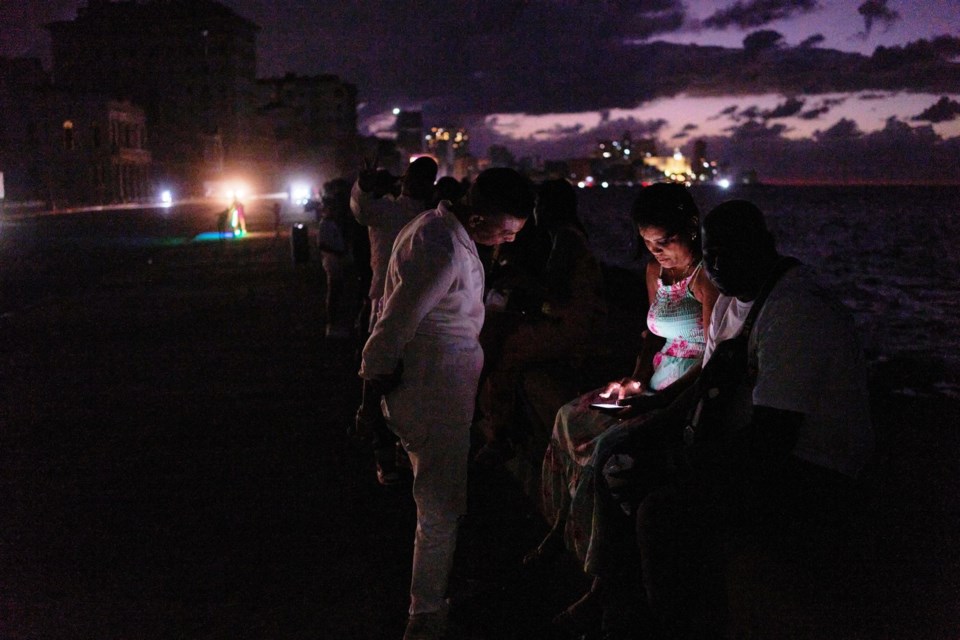
The development comes as Cuba faces a severe energy crisis, with widespread blackouts, fuel shortages and disruptions to essential services including healthcare and transportation. Analysts suggest the shipment could temporarily alleviate the situation, potentially meeting several days’ worth of the country’s diesel demand.
The U.S. administration has maintained a strict blockade on oil supplies to Cuba as part of broader efforts to pressure the Cuban government. However, Trump’s latest comments suggest a degree of flexibility when it comes to humanitarian considerations.
“I’d prefer letting it in… because the people need heat and cooling and all of the other things,” Trump said, while reiterating criticism of Cuba’s leadership.
The decision reflects the complex geopolitical dynamics involving the United States, Russia and Cuba, with the Caribbean nation remaining a focal point of longstanding strategic tensions.
While the move may provide short-term relief to Cuban civilians, it does not signal a broader shift in U.S. policy toward the Cuban government. Officials continue to emphasize that the blockade remains in place as part of efforts to drive political change on the island.
As the situation develops, the international community will be closely watching the humanitarian and political implications of this limited exception to U.S. sanctions policy.