

As tensions between the United States and Iran intensify, Pakistan has emerged as a key diplomatic player, positioning itself as a potential mediator in a conflict that risks escalating into a wider regional war.
Amid growing speculation of possible U.S. ground operations, including reports of troop deployments and contingency planning around strategic targets such as Kharg Island, diplomatic efforts continue in parallel. U.S. President Donald Trump has indicated that Iran has shown some level of agreement with proposals conveyed through intermediaries, though officials in Tehran remain cautious and have called for an immediate halt to hostilities as a precondition for further talks.
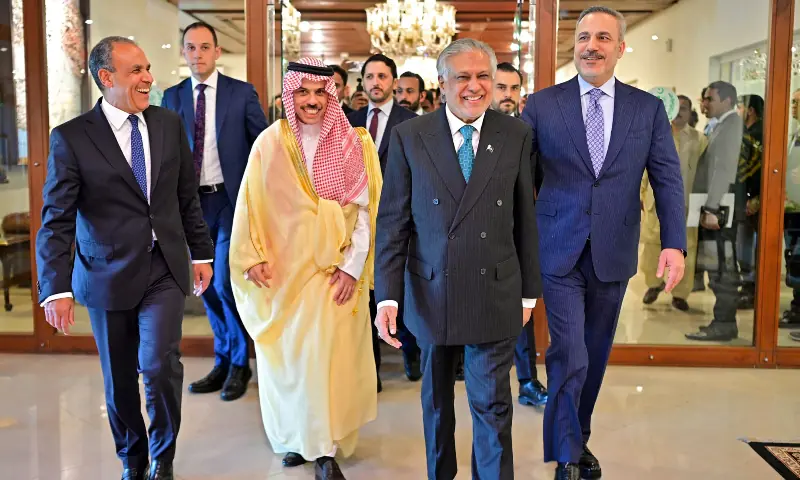
Against this backdrop, Pakistan has stepped forward to facilitate dialogue. Islamabad recently hosted high-level consultations involving foreign ministers from regional powers including Saudi Arabia, Turkey and Egypt, aimed at de-escalation and fostering communication between the conflicting parties.
Pakistan’s leadership has also engaged directly with Iranian officials, emphasizing restraint and the urgent need for diplomatic solutions. Officials have confirmed that Pakistan is prepared to host and facilitate talks between the United States and Iran, whether direct or indirect.
International observers have noted that Pakistan’s unique position—maintaining working relationships with both Washington and Tehran—makes it a credible intermediary at a time when direct engagement remains politically sensitive. Analysts in Washington have described the initiative as one of the most promising diplomatic openings since the conflict began.
The conflict, now entering its second month, has already resulted in significant casualties and disrupted global energy markets, particularly through instability in the Strait of Hormuz, a critical route for international oil shipments. Military rhetoric has escalated on both sides, with Iranian officials issuing strong warnings against any ground incursion, while U.S. officials continue to weigh strategic options.
Despite rising military preparations, Pakistan’s diplomatic intervention offers a potential pathway toward de-escalation. Experts suggest that even partial success in facilitating dialogue could strengthen Pakistan’s international standing and contribute to stabilizing the region.
However, the outcome remains uncertain and will largely depend on decisions made in Washington and Tehran in the coming days. As the crisis deepens, Pakistan’s efforts underscore the importance of diplomacy in preventing further escalation and preserving regional stability.
At a moment defined by both confrontation and opportunity, Pakistan’s role reflects a broader hope that dialogue can still prevail over conflict.