

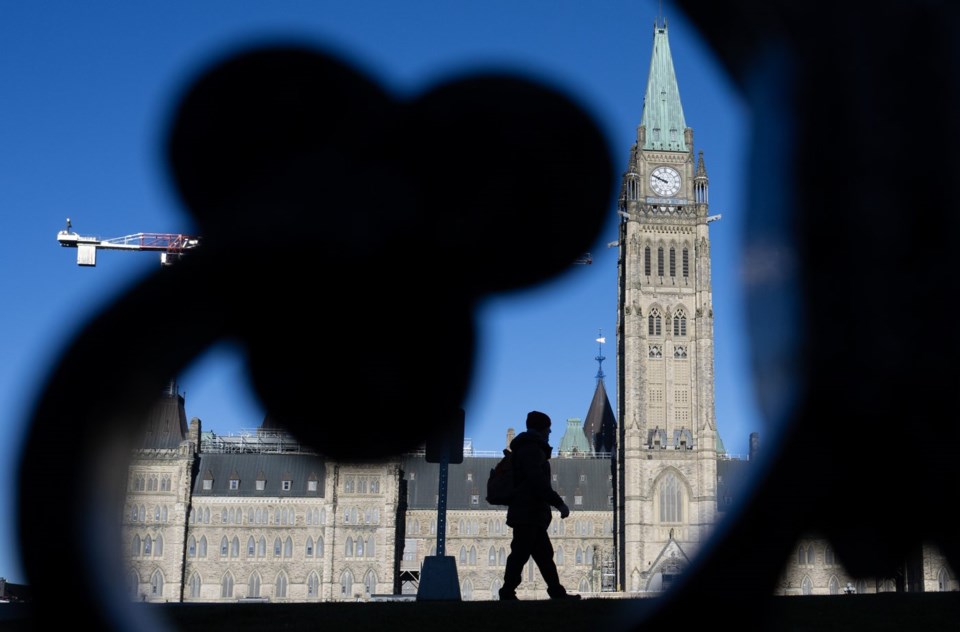
The federal government has declined a proposal to introduce legislation aimed at ensuring greater accountability for misinformation in political discourse, stating that existing democratic mechanisms already provide sufficient oversight.
The proposal originated from Toronto physician Federico Sanchez, who launched an electronic petition to the House of Commons calling for legislation that would require members of Parliament to correct false or misleading public statements. The petition garnered nearly 45,000 signatures nationwide, reflecting growing public concern over misinformation in politics.
In its formal response, the government, through House Leader Steven MacKinnon, emphasized that general elections remain the primary mechanism through which Canadians hold elected officials accountable. The response also highlighted additional avenues for public engagement, including direct communication with MPs, participation in parliamentary committees and the use of petitions to raise concerns.
The proposed legislation drew inspiration from a model discussed in Wales, where courts could compel politicians to publicly correct false statements or face penalties, including temporary disqualification from holding office. However, the government indicated that Canada’s existing parliamentary framework already includes provisions to address misconduct, including the ability of the House of Commons to discipline members found in contempt or in breach of parliamentary privilege.
Sanchez expressed disappointment with the government’s position, arguing that current accountability measures are insufficient in an era where misinformation can spread rapidly, particularly through digital platforms and emerging technologies such as artificial intelligence.
He warned that without timely mechanisms to correct inaccurate statements, public trust in democratic institutions could erode, adding that waiting until the next election cycle is not a practical solution for addressing misinformation in real time.
The issue has sparked broader discussion about the balance between freedom of speech and accountability in political communication, especially as concerns grow about the impact of misinformation on democratic processes.
As debates continue, the federal government maintains that Canada’s existing democratic institutions and public engagement tools remain the most appropriate means of ensuring political accountability and transparency.