

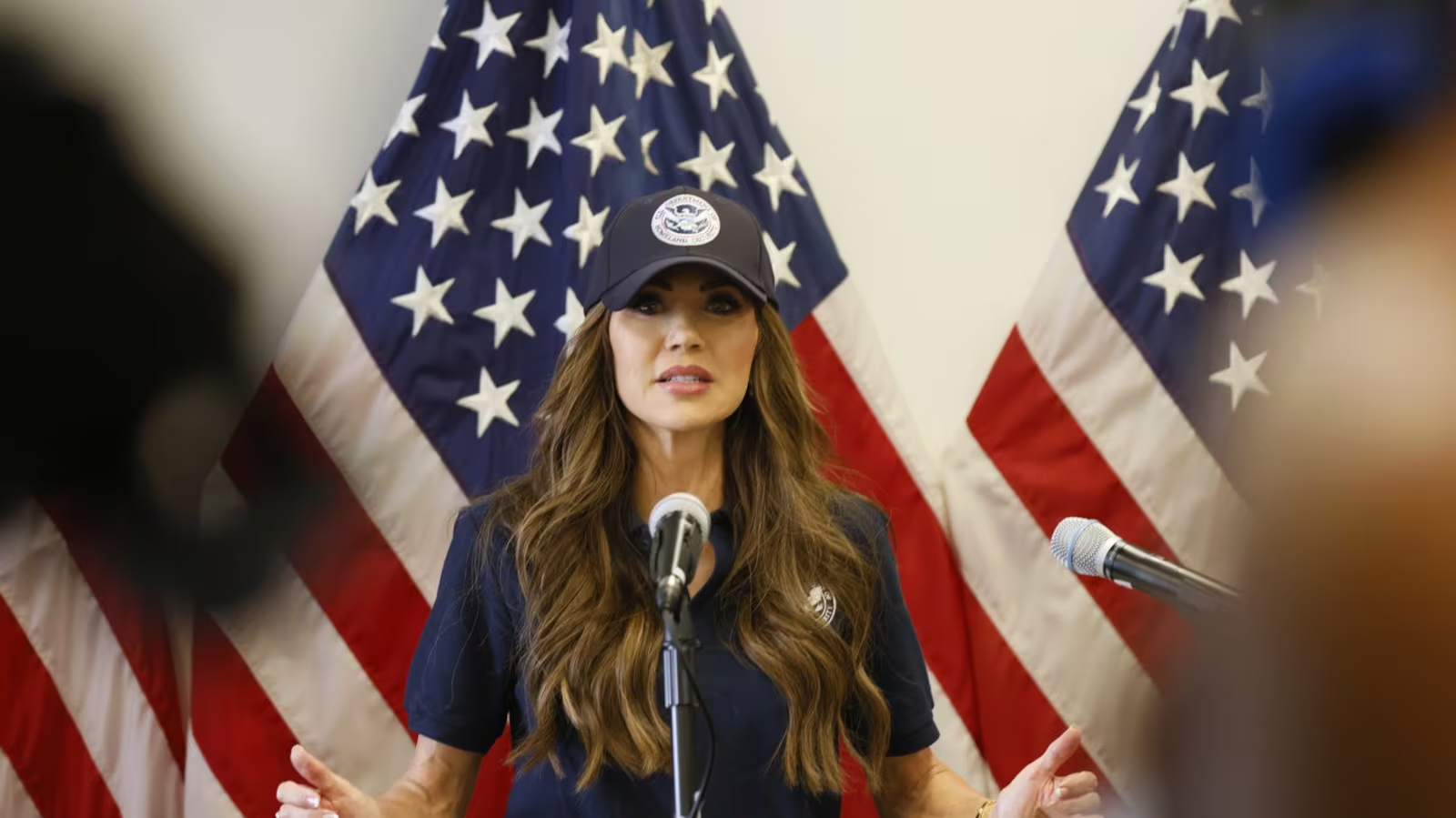
MIAMI — In a sweeping move impacting hundreds of thousands, the Trump administration announced Thursday that it has begun issuing termination notices to immigrants from Cuba, Haiti, Nicaragua, and Venezuela who were previously granted temporary permission to live and work in the United States under a humanitarian parole program.
The Department of Homeland Security (DHS) confirmed that notices are being emailed to individuals who entered the U.S. since October 2022 under the Biden-era policy, informing them that their legal status and work authorization are revoked “effective immediately.”
More than 532,000 people arrived under the program, which allowed individuals from crisis-stricken countries to enter the U.S. with a financial sponsor and remain for two years. Those affected are now being told to voluntarily leave the U.S. using the CBP One mobile app. The administration says it will offer return travel assistance and a $1,000 stipend upon arrival in their home country, though no details were provided on enforcement or how funds would be distributed.
This marks a significant shift in U.S. immigration policy, as President Donald Trump follows through on his campaign promise to end what he has called “broad abuse” of humanitarian parole. His administration has already targeted other legal immigration pathways, alongside vowing to deport millions of undocumented individuals.
The Supreme Court last month cleared the way for the administration to revoke the parole program, despite ongoing legal challenges from immigration advocates and civil rights groups.
“This is a deeply destabilizing decision,” said Krish O’Mara Vignarajah, president of Global Refugee. “These are individuals who followed every rule—passed security screenings, paid their way here, received work authorization, and began contributing to their communities.”
Zamora, a 34-year-old Cuban mother who entered the U.S. in September 2023 under the program, now lives in fear. “I’m afraid of being detained while my son is at school,” she said, requesting anonymity for safety. “And I’m terrified of returning to Cuba. The situation there is unbearable.”
Zamora has applied for permanent residency under the Cuban Adjustment Act, which allows certain Cuban nationals with lawful U.S. entry to apply for a green card after one year. Her case is still pending. “Until then,” she said, “I will wait quietly. I’ll stop working if I have to. I just want to stay safe.”
The decision has sent shockwaves through immigrant communities and legal advocacy organizations, many of whom fear it could lead to widespread detention and family separations.
The DHS has not confirmed how enforcement will unfold or whether deportations will follow swiftly, but with hundreds of thousands now in limbo, the policy marks one of the most significant reversals of legal immigration protections under the Trump presidency.