

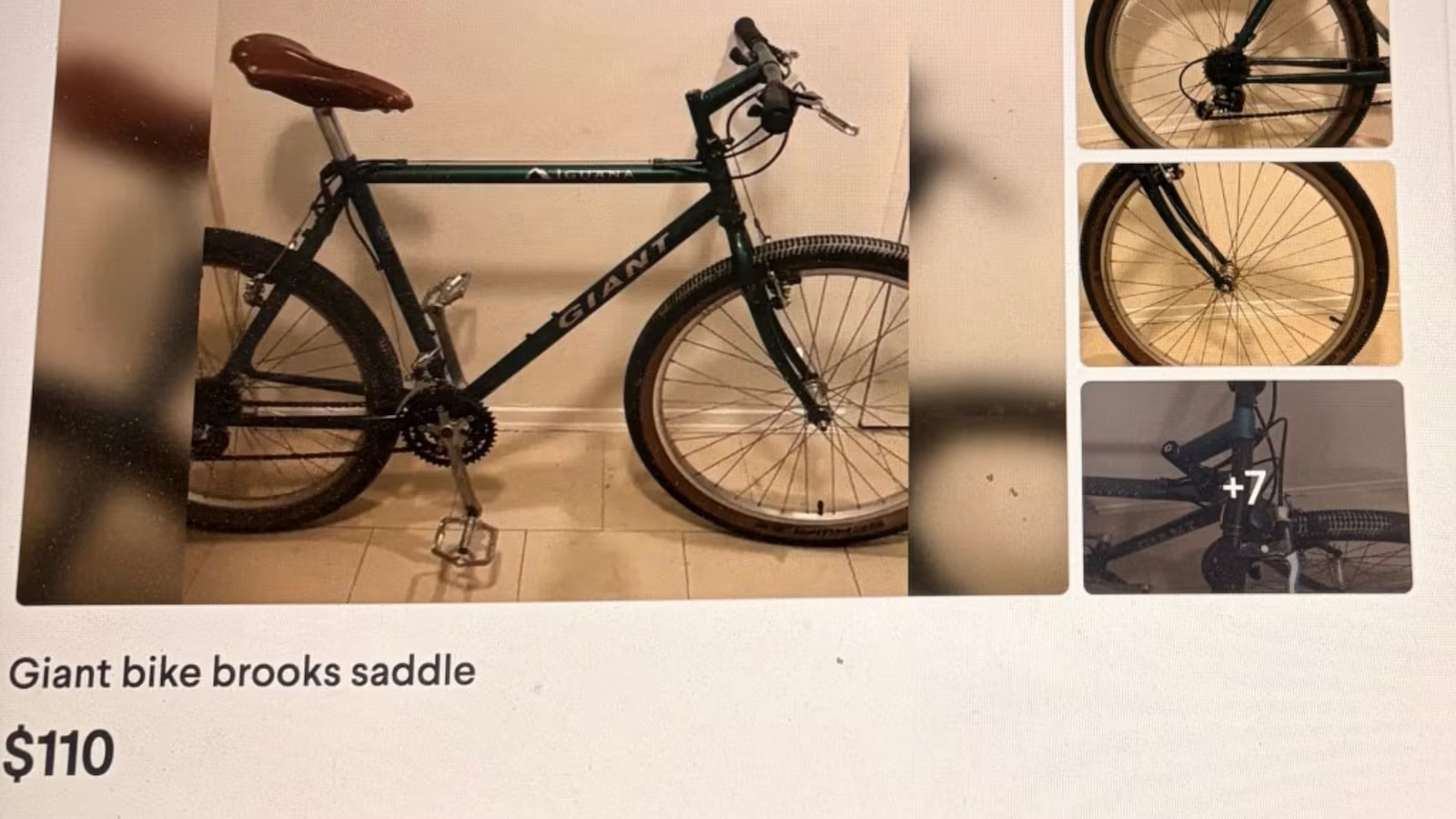
A Toronto woman has managed to retrieve her stolen bicycle after spotting it listed for sale on Kijiji, but police and cycling advocates say her bold move, while successful, is far from safe.
Liz Sully, 38, had locked her distinctive teal Giant Iguana bike near Bloor Street and Spadina Avenue on Nov. 21. When she returned, her lock had been cut and the bike was gone — a devastating loss for someone who relies on cycling due to motion sickness on public transit. Feeling helpless, Sully posted about the theft on social media and began combing through online marketplaces in hopes of spotting her bike.
Days later, during her lunch break, she stumbled upon a Kijiji listing selling what appeared to be her bike for just $110 — less than the value of the saddle alone. Shocked by the thief’s boldness, she contacted the seller and arranged to meet at a gas station at Jarvis and Wellesley. Pretending to be an interested buyer, she asked if she could take the bike for a test ride. When the seller agreed, she jumped on and rode away, later messaging him to say she knew it had been stolen and was taking it back.
Her story mirrors a growing trend of cyclists tracking down and reclaiming their stolen bikes themselves. Michael Longfield of Cycle Toronto says the reaction is understandable given frustrations about bike-theft investigations, though he still discourages such confrontations. Police data shows more than 2,000 bike thefts have been reported in Toronto this year — down 21 per cent from 2024 but still leaving many cyclists feeling unsupported. Toronto Police urge victims to report thefts and avoid engaging with sellers themselves, noting that meeting a potential thief can be dangerous.
Sully did report her initial theft to police but never heard back. She also flagged the Kijiji listing, though the platform did not respond to CTV News Toronto. Police say they are investigating but have not shared details.
Lawyer and cycling advocate Dave Shellnutt warns that reclaiming stolen bikes directly from sellers can easily escalate into violence. He has seen cases where cyclists try to negotiate or even pay to recover their bikes, and others where confrontations have turned dangerous. The risk, he says, is simply not worth it.
Experts argue that preventing bike theft requires more than strong locks. Secure bike parking, reliable recovery networks, and long-term infrastructure changes are essential. They point to the success of Vancouver’s 529 Garage bike registry, which helped reduce thefts by 43 per cent over a decade. Toronto approved exploring the platform in 2021, but little progress has been made. Cycle Toronto notes that safe and connected cycling routes must include secure storage options — something the city is currently lacking.
Addressing the deeper causes of theft, Shellnutt adds, means tackling broader social issues like unstable housing, unemployment, and rising living costs. Investment, he says, should focus on helping vulnerable people rather than solely policing theft.