

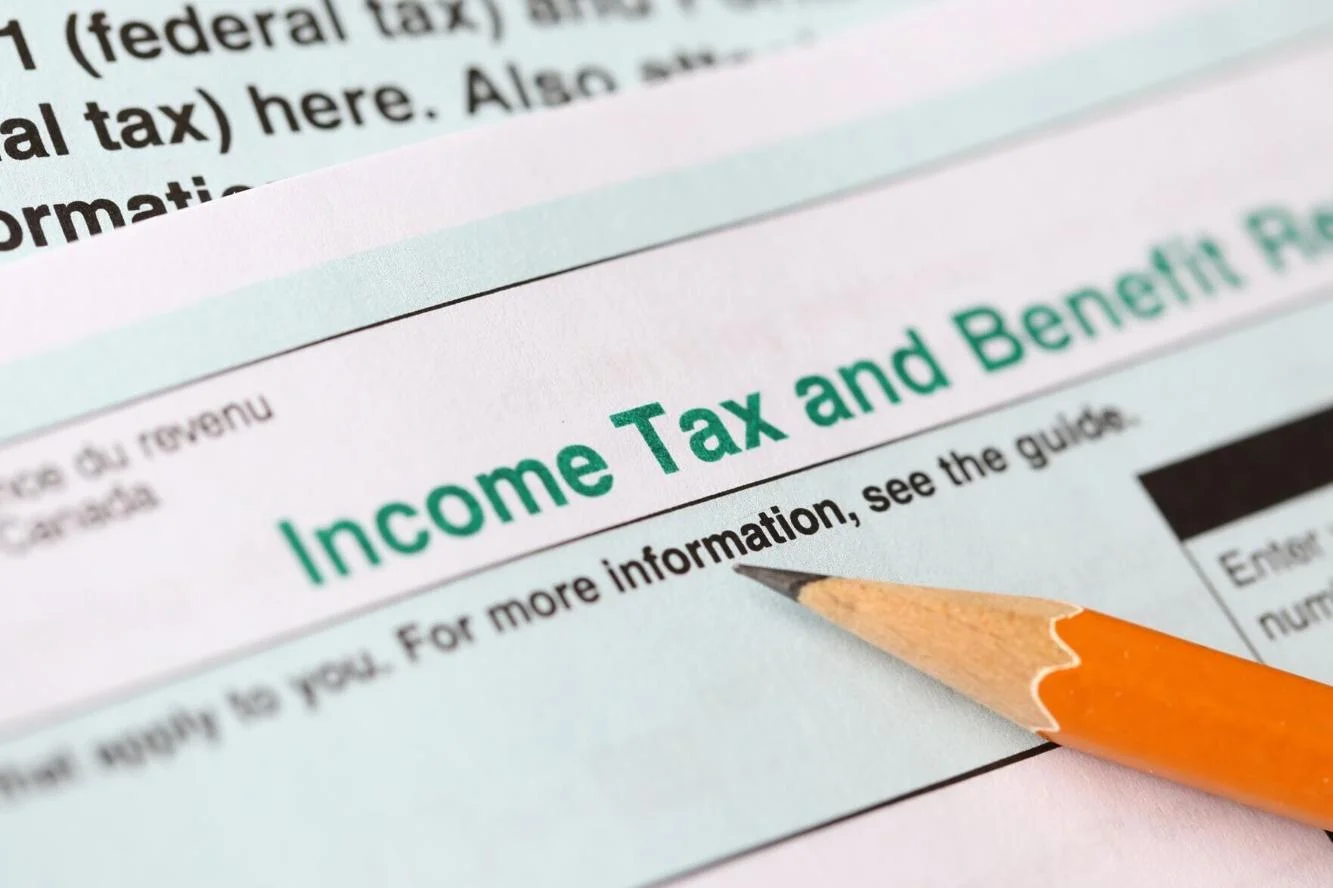
Tax season has officially opened in Canada, with the Canada Revenue Agency (CRA) launching its NETFILE service today, Feb. 23. For many Canadians, filing a return means access to refunds and benefit payments. For others, it marks the start of meeting payment obligations and avoiding penalties.
Filing a return can unlock refunds, the Canada Child Benefit, GST/HST credits and other federal or provincial supports. However, taxpayers who owe money must ensure they meet strict deadlines to avoid interest and late-filing penalties.
For most Canadians, the deadline to file a 2025 personal income tax return is April 30, 2026 — and any taxes owed must also be paid by that date. Self-employed individuals, or those with a self-employed spouse or common-law partner, have until June 15 to file, though any balance owing is still due April 30 to avoid interest charges.
Several other key dates are approaching. March 2 is the final day to contribute to an RRSP, PRPP or SPP for the 2025 tax year. It is also the deadline for employers to issue T4, T4A and T5 slips.
The CRA warns that penalties may apply for filing late, failing to report income, or making false statements — especially in cases of gross negligence. Interest also accumulates on unpaid balances after the due date. Taxpayers who miss deadlines due to circumstances beyond their control can apply to have penalties or interest waived under the CRA’s taxpayer relief provisions.
This year also brings updated federal tax brackets, which are adjusted annually for inflation. Following a middle-class tax cut introduced last year, the lowest federal tax rate is now permanently set at 14 per cent.
For the 2026 tax year, federal tax rates are as follows:
• 14% on income up to $58,523
• 20.5% on income from $58,523 to $117,045
• 26% on income from $117,045 to $181,440
• 29% on income from $181,440 to $258,482
• 33% on income over $258,482
Provincial tax rates vary, meaning total tax payable depends on where you live.
Canadians have multiple filing options. Certified tax software allows individuals to submit returns electronically through NETFILE, with both free and paid versions available. Some may receive an invitation to use SimpleFile, the CRA’s free filing service. Volunteer-run tax clinics can assist individuals with modest incomes and simple tax situations. Professional tax preparers can file electronically through EFILE for a fee. Paper returns can also be mailed using a T1 package. Representatives may also file final returns on behalf of someone who has passed away.
After filing, taxpayers will receive a Notice of Assessment (NOA), summarizing their return and confirming any refund or balance owing. The NOA includes an eight-character access code used for future NETFILE submissions, though it is not mandatory.
With the filing season now open, Canadians are encouraged to prepare documents early, verify tax slips and file on time to avoid penalties and ensure uninterrupted access to benefits.