

Passengers caught in Puerto Vallarta unrest say they paid thousands to return home and are now seeking reimbursement
Several Canadians who were stranded in Mexico after violence erupted near Puerto Vallarta’s airport say they felt “abandoned” by WestJet and are now demanding compensation for out-of-pocket expenses they incurred to return home.
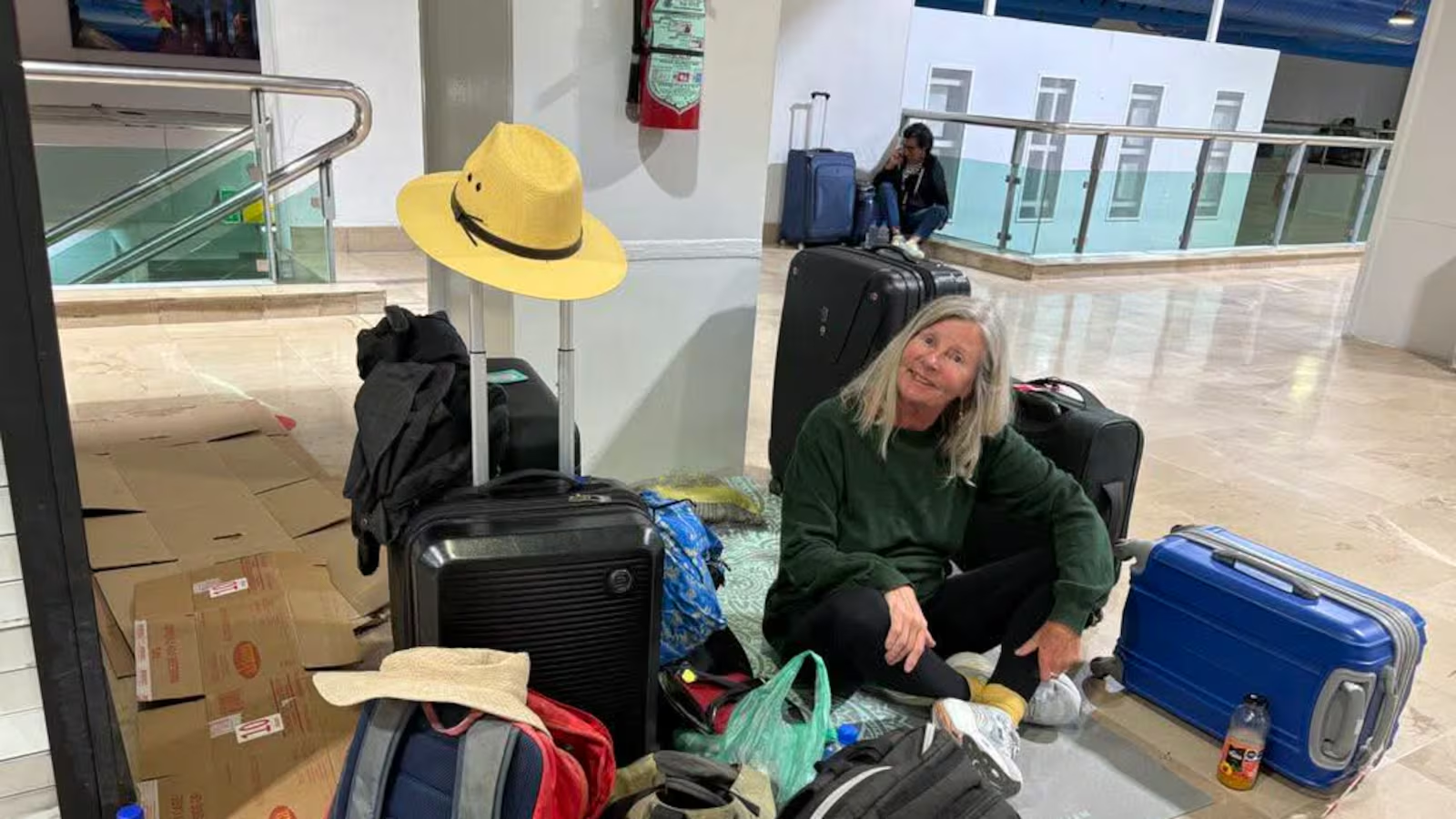
Katharina Stieffenhofer of Winnipeg was vacationing in Puerto Vallarta when cartel-related violence disrupted operations near the airport. Her WestJet flight home was cancelled last Sunday, leaving her and other passengers inside the terminal as panic spread.
She described a chaotic scene after reports of gunfire outside the airport prompted travellers to take cover behind pillars. According to Stieffenhofer, airport operations shut down and passengers were left waiting for direction.
She said WestJet staff initially indicated they would try to arrange hotel accommodations but later told passengers that everything was closed and they would need to make their own arrangements. Stieffenhofer said communication from the airline in the days that followed was limited, forcing her to find and pay for her own lodging and alternate flights.
While acknowledging that the violence was beyond the airline’s control, she believes WestJet should have prioritized assisting affected passengers in getting home.
Andrew Parkes, another Winnipeg traveller, said his family of five faced a similar situation. After their Sunday flight was cancelled, Parkes said WestJet informed him the earliest available rebooking was March 3 — nine days after their original departure date.
Unwilling to wait, Parkes said he repeatedly checked flight availability online and eventually purchased seats on an Air Canada flight for $6,000 to return home. He now plans to seek reimbursement from WestJet for that amount.
He said he believes the airline had multiple opportunities to better support stranded customers but failed to do so.
In response to questions from CTV News, WestJet directed inquiries to updated operational information regarding Mexico. On its website, the airline states it is committed to a “safe and coordinated repatriation effort” for guests affected by events in Mexico, including those scheduled to fly on February 22 and 23.
WestJet says it has operated 14 repatriation flights and plans to operate two more in the coming days. The company states it is working around the clock to ensure affected travellers have return flights to Canada.
However, both Stieffenhofer and Parkes say their experiences did not reflect that level of support.
Air passenger rights advocate Gabor Lukács says under Canadian regulations, airlines are generally required to rebook passengers on the next available flight within 48 hours of the original departure, either on their own network or with a partner airline. If that is not possible, he says carriers must purchase tickets for affected passengers on other airlines.
Lukács advises travellers in such situations to purchase their own tickets if necessary and later seek reimbursement from the airline. If compensation is not provided within 30 days, he recommends pursuing a claim through small claims court.
He cautions passengers not to assume reimbursement will happen automatically and encourages them to assert their rights.
For Stieffenhofer, the ordeal has had lasting effects. She says the stress of being stranded during a security crisis and struggling to arrange travel home has taken a physical toll. Although relieved to be back in Canada, she says she remains shaken and intends to pursue compensation once she has had time to recover.
The situation highlights ongoing tensions between travellers and airlines during emergencies abroad, raising questions about communication, responsibility and passenger protections when unexpected crises disrupt international travel.