

Canada is facing the growing possibility of a recession by July 1, with a new Deloitte report forecasting two straight quarters of economic contraction — the textbook definition of a recession.
The report, released Thursday, outlines a series of troubling indicators, including declining business investment, reduced exports, and waning consumer confidence. Deloitte’s chief economist, Dawn Desjardins, describes the Canadian economy as “walking a tightrope” but sees an opportunity to emerge stronger through resilience, diversification, and smarter investments.
According to Deloitte’s economic outlook, Canada’s gross domestic product is expected to shrink by 1.1 per cent in the second quarter of 2025, followed by a 0.9 per cent drop in the third. While the economy enjoyed a surge of growth in late 2024 and early 2025, the coming downturn could begin to weigh heavily on Canadians by mid-year.
Deloitte is urging caution among households, especially in Ontario, suggesting residents delay major purchases, forgo expensive vacations, and increase savings as uncertainty looms.
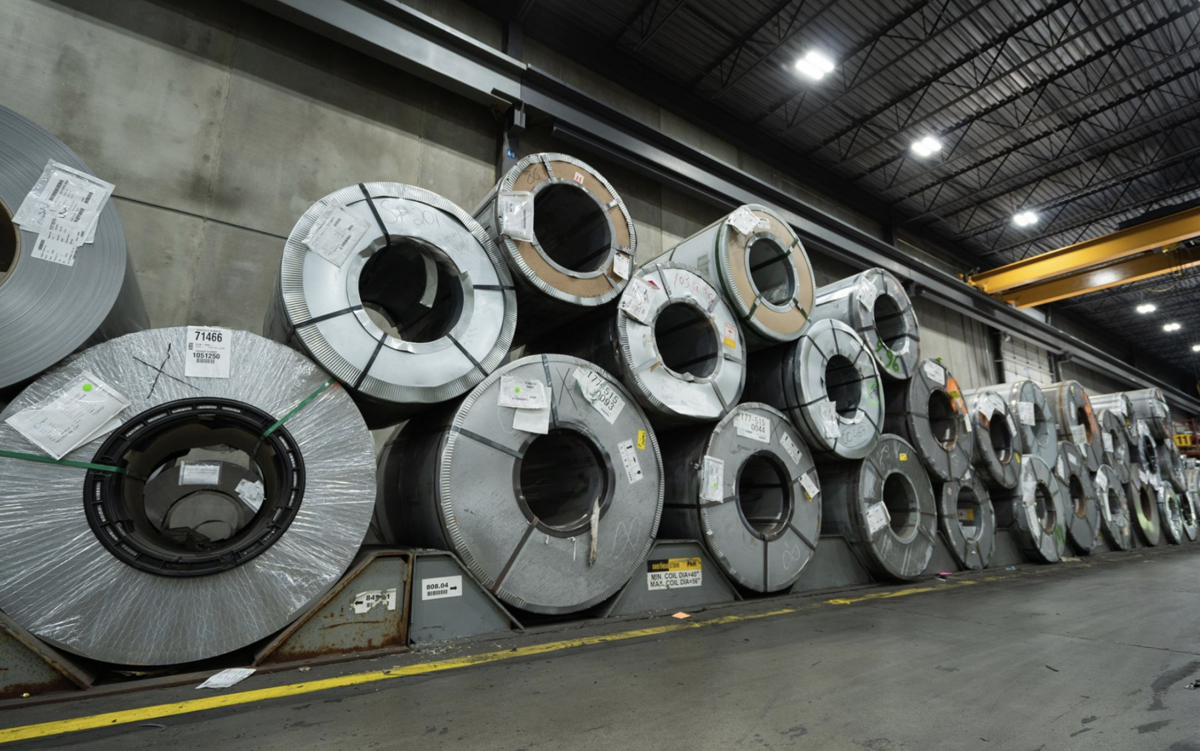
While Canada has avoided the brunt of the U.S.-China trade war, Canadian industries such as steel, aluminum, lumber, and auto parts still face stiff tariffs on goods not compliant with the Canada-U.S.-Mexico Agreement (CUSMA). Though the current tariff rates are relatively modest, the long-term uncertainty is dampening investor confidence and could have a lasting impact on export-driven sectors.
Desjardins warned that the slump in exports and investment will likely lead to job losses — a trend already visible in recent employment data. Deloitte projects the unemployment rate could rise above seven per cent this year, with the auto sector particularly vulnerable due to its heavy reliance on U.S. demand.
The economic outlook suggests that slower hiring and higher precautionary savings will reduce consumer spending through the summer. Employment growth is expected to slow to just one per cent in 2025 and stay flat in 2026, with only a slight recovery forecast for 2027.
The federal government is expected to roll out an economic stimulus plan, though it won’t follow the pandemic-era model of direct payments to households. Instead, the package is likely to focus on infrastructure spending and temporary support for businesses and households impacted by tariffs. Interest rate cuts by the Bank of Canada may also help cushion the blow.
Despite the bleak short-term outlook, Deloitte still expects Canada’s overall growth for 2025 to stay in positive territory at 1.2 per cent, thanks to the strong start in the first quarter. But the forecast warns of more serious consequences if exemptions for CUSMA-compliant goods are lifted. Such a change could erase Canada’s trade advantage with the U.S., potentially cutting Canada’s real GDP by three per cent by 2030.
Still, there are signs of progress. Canada is beginning to address long-standing challenges, including low productivity and overdependence on the U.S. market. Inflation is also stabilizing near the Bank of Canada’s two per cent target.
Efforts are also underway to eliminate internal trade barriers, with Ontario recently signing an agreement with New Brunswick and Nova Scotia to recognize professional certifications and ease restrictions on interprovincial alcohol sales. Provincial leaders have set a goal of removing as many trade barriers as possible by Canada Day — just as the country could officially enter a recession.
Deloitte’s message is clear: Canada must act now. Improving competitiveness, streamlining regulations, and investing in productivity are no longer options — they are essentials for economic survival in an increasingly volatile world.