

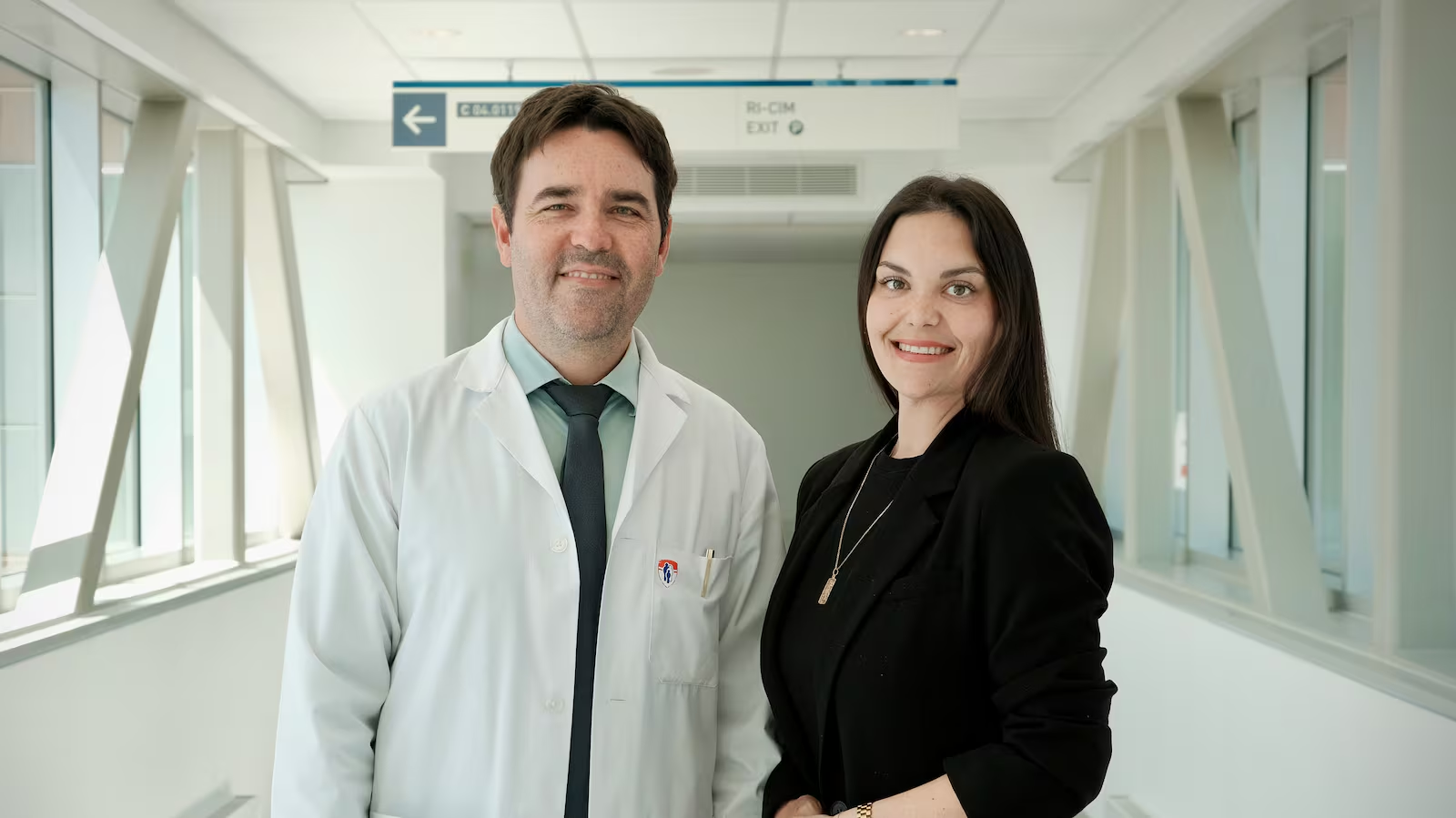
A 29-year-old woman from Beauharnois, Quebec, has become the first patient in Canada to undergo a pioneering fertility-preserving surgery designed to protect reproductive health during cancer radiation treatment.
Brittany Fecteau received the innovative procedure after being diagnosed with Hodgkin’s lymphoma following the discovery of a lump in her groin area late last year. Already the mother of a six-year-old son, Fecteau faced the difficult reality that cancer treatment could significantly impact her fertility and potentially lead to premature menopause.
The diagnosis brought emotional challenges for both Fecteau and her family. Determined to remain positive and strong for her young son, she began exploring treatment options that would allow her to fight cancer while preserving the possibility of having children in the future.
The groundbreaking surgery was performed by Dr. Reitan Ribeiro, a gynecologic oncologist at the McGill University Health Centre. Known as uterine transposition, the procedure involves temporarily relocating a woman’s uterus, ovaries, and fallopian tubes higher into the abdomen before radiation treatment begins. This protects the reproductive organs from harmful radiation exposure, which can damage fertility even at relatively low doses.
Once radiation therapy is completed, a second surgery is performed to return the reproductive organs to their original position. The approach aims not only to preserve fertility but also to prevent the hormonal consequences of early menopause.
For Fecteau, the procedure represented a life-changing opportunity. She credits the surgery with preserving both her fertility and her quality of life following cancer treatment.
Dr. Ribeiro has performed the procedure more than 45 times internationally and reports that it has already resulted in several successful natural pregnancies carried to full term. The surgery is intended for patients undergoing pelvic radiation for cancers that do not directly involve reproductive organs, including certain lymphomas and colorectal cancers.
Medical experts view the procedure as an important advancement in cancer care, particularly for younger patients whose future family plans may be affected by treatment. Traditional fertility preservation methods often involve hormone stimulation, egg retrieval, and embryo or egg freezing. While effective in many cases, these approaches can delay treatment, increase costs, and do not protect the uterus from radiation damage, which can prevent a woman from carrying a pregnancy even if eggs have been preserved.
As cancer rates among younger adults continue to rise, particularly in certain forms of colorectal cancer, physicians are increasingly focused on treatment approaches that consider long-term quality of life alongside survival outcomes.
Dr. Ribeiro believes the procedure reflects a broader shift in modern medicine toward patient-centred care. Beyond curing disease, he says health-care providers must also consider how patients will live after treatment and how they can preserve opportunities for family, personal fulfillment, and overall well-being.
The successful surgery marks an important milestone for Canadian medicine and offers new hope to young cancer patients facing difficult decisions about fertility and future family planning. It also demonstrates how innovation and surgical advances continue to expand treatment possibilities, allowing patients not only to survive cancer but also to maintain important aspects of their lives beyond recovery.