

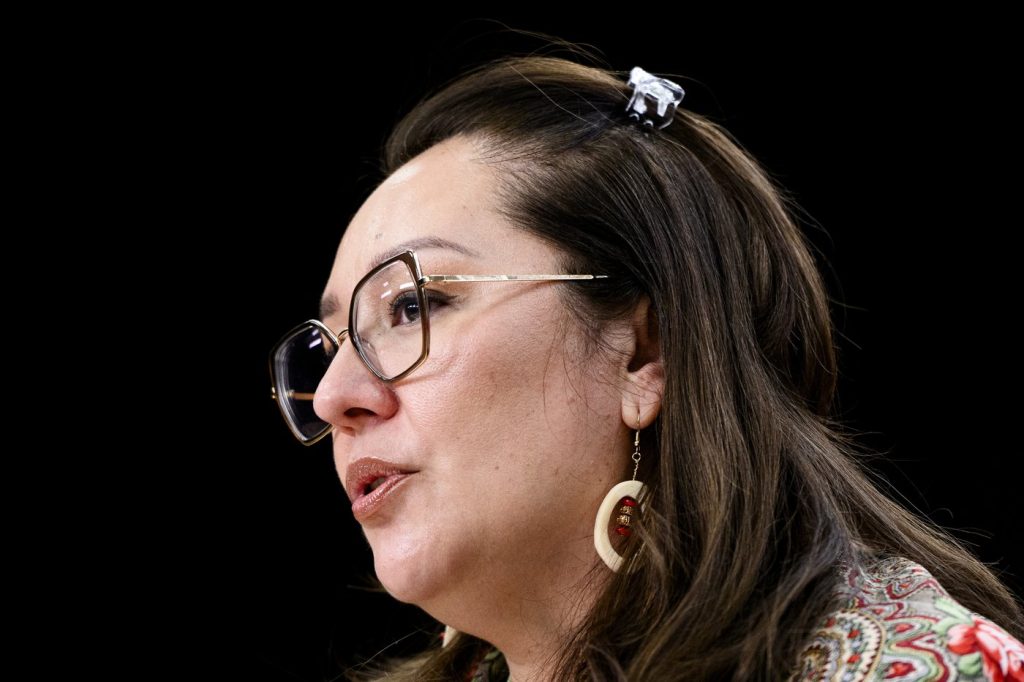
Funding for Jordan’s Principle extended to 2027 amid criticism over service restrictions
The federal government is allocating $1.55 billion to continue supporting Jordan’s Principle, a legal commitment ensuring First Nations children receive equal access to health, social and educational services without bureaucratic delays.
Indigenous Services Minister Mandy Gull-Masty is expected to formally announce the funding, which will remain in place until 2027.
Jordan’s Principle was unanimously endorsed by Members of Parliament in 2007 to prevent disputes between federal and provincial governments from delaying care for First Nations children. The principle is named after Jordan River Anderson, a child from Norway House Cree Nation in Manitoba who was born in 1999 with multiple disabilities. He died at age five after spending his entire life in hospital because governments could not agree on who should fund his home care.
The new funding announcement comes as the minister faces mounting criticism over an operational bulletin issued last year that narrowed the types of services covered under Jordan’s Principle. The directive limits approvals for home renovations, sports participation, international travel, non-medical supports and certain school-related requests unless they are deemed necessary to ensure equality with non–First Nations children.
First Nations leaders argue the restrictions have made it harder for children to access educational and mental health supports that were previously available. One grandmother sought relief through the Federal Court after the government denied $200,000 in renovations needed to remove mould from her home, which she said was affecting her grandchildren’s health. The court ruled the department’s decision was unreasonable, and the government later lost its appeal at the Federal Court of Appeal in December.
Cindy Blackstock, executive director of the First Nations Child and Family Caring Society and a long-time advocate for Indigenous children’s rights, has criticized the policy changes as unilateral and lacking evidence. She has called on the minister to rescind the bulletin, address a reported backlog of approximately 130,000 Jordan’s Principle cases and ensure the department complies with legal orders.
Blackstock has expressed concern that the system is struggling to meet demand, describing the department as being in “chaos” and failing to adequately serve First Nations children.
Last week, Gull-Masty also announced $115 million in renewed funding for the Inuit Child First Initiative — a program that mirrors Jordan’s Principle for Inuit children — for one additional year.
As Ottawa extends funding for Jordan’s Principle, the debate now shifts to how the program will be administered and whether the federal government will revise its current restrictions. For many First Nations families, the coming months will determine whether the renewed investment translates into faster approvals and meaningful access to services their children need.