

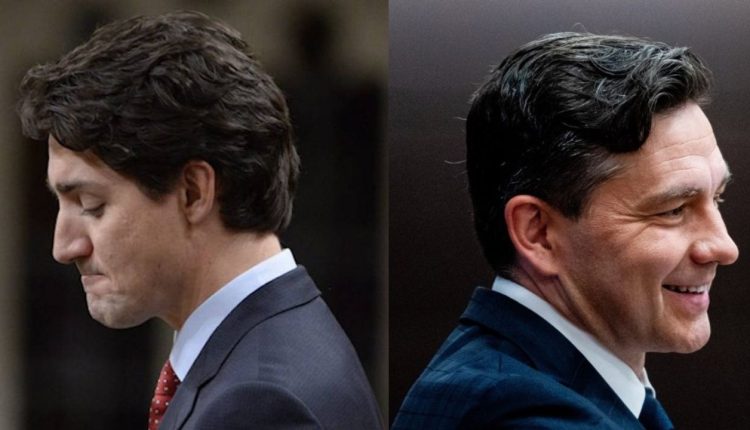
The Conservative Party of Canada has confirmed its plan to introduce a motion of non-confidence against Prime Minister Justin Trudeau’s government in early 2025. This move underscores escalating dissatisfaction across opposition parties and raises the potential for a dramatic political shift in Canada.
Conservative MP John Williamson, chair of the Standing Committee on Public Accounts, revealed these plans in a letter shared on X (formerly Twitter). The committee will convene on January 7, 2025, to deliberate the motion. The resulting report is expected to be submitted to the House of Commons on January 27, following Parliament’s six-week winter recess. If the motion proceeds, the Conservatives plan to initiate debate as early as January 30, asserting that the “Government no longer commands the confidence of Parliament.”
Williamson emphasized the importance of parliamentary committees as a reflection of the broader House of Commons, suggesting they provide an appropriate platform to begin such significant discussions.
NDP and Bloc Québécois Add Momentum to Opposition Effort
Unlike previous failed non-confidence motions, this latest effort is bolstered by a united opposition. NDP Leader Jagmeet Singh has publicly expressed his readiness to bring down the Liberal government. His declaration follows the resignation of Chrystia Freeland, former Deputy Prime Minister and Finance Minister, on December 16, 2024.
Bloc Québécois Leader Yves-François Blanchet echoed this sentiment, advocating for swift action to trigger a federal election. “There is no scenario where Justin Trudeau’s government survives upcoming budgets, throne speeches, or opposition days,” Blanchet asserted on social media.
Conservative Leader Pierre Poilievre has escalated the urgency, urging Governor General Mary Simon to recall Parliament to facilitate an immediate non-confidence vote. While procedural rules limit Simon’s authority to reconvene Parliament, Poilievre’s insistence underscores the collective resolve of the opposition.
Growing Internal Discontent Within Liberal Party
In addition to external pressures, internal dissent within the Liberal Party is mounting. Following Freeland’s resignation, 21 Liberal MPs have publicly urged Trudeau to step aside. Alberta MP George Chahal has amplified these demands, calling on the Liberal caucus and party leadership to prepare for a leadership transition.
A virtual meeting of Ontario Liberal MPs revealed that over 50 members support Trudeau’s resignation to safeguard the party’s future. Chahal’s letter to Liberal Party President Sachit Mehra highlighted the precarious position of the government, stating: “In a minority situation where opposition parties may defeat the government, immediate planning for leadership is essential.”
Implications for Canada’s Political Future
With opposition parties unified and internal dissent growing, the Trudeau government faces an uncertain future. A successful non-confidence motion could result in a federal election in early 2025, potentially reshaping Canada’s political landscape.
As Canada approaches this critical political juncture, the coming months will be pivotal for Trudeau’s leadership and the Liberal Party’s survival. This unfolding drama promises significant implications for governance and the nation’s future direction.