

Forgotten Freezer Find Sparks Conversation About Food Safety, Rising Chicken Prices and How Long Frozen Food Really Lasts
As food prices continue to climb across Ontario, many families are searching through their freezers to make the most of every dollar. One Ontario resident recently took that idea to an extreme after discovering a package of chicken wings that had been sitting untouched in a freezer for more than 12 years.
The unusual discovery has sparked widespread online discussion about food safety, freezer storage and the rising cost of groceries across Canada.
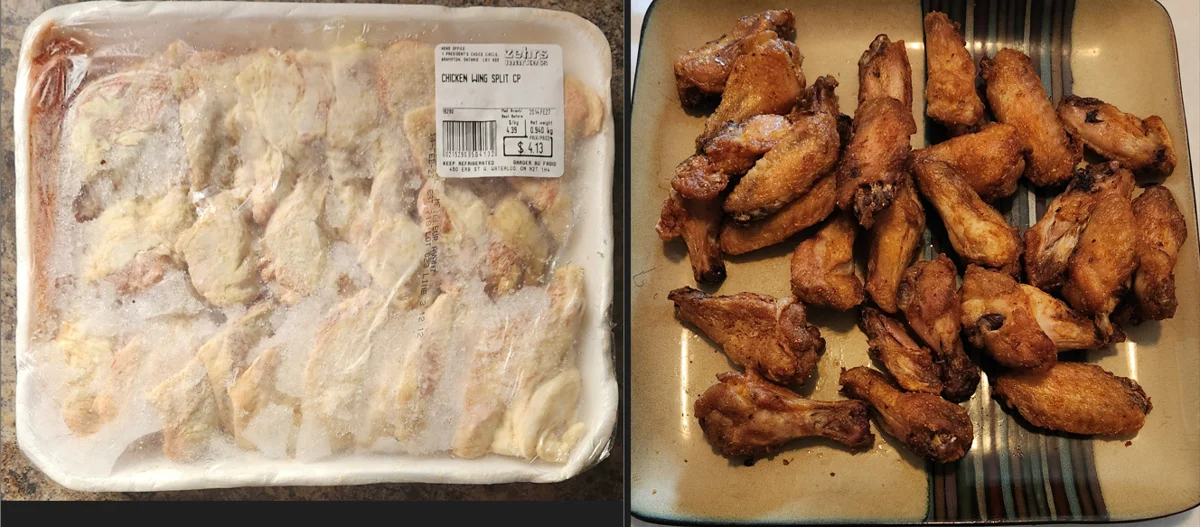
The story began when a Waterloo-area resident shared a photo on Reddit of a package of chicken wings purchased from a Zehrs grocery store in February 2014. The package weighed less than one kilogram and cost just $4.13, a price that now seems almost unbelievable compared to today’s grocery costs.
According to recent Statistics Canada figures, chicken wing prices in Ontario now average more than $11 per kilogram, representing a dramatic increase over the past decade.
Rather than throwing the wings away, the Reddit user decided to put them to the ultimate test.
After thawing the wings, seasoning them and cooking them in an air fryer, the individual reported that the meal was surprisingly edible.
According to the online post, the wings had a slight freezer-burn taste but were otherwise enjoyable. More importantly, the individual reported feeling perfectly fine the following day, generating hundreds of reactions from readers curious about whether frozen meat can actually remain safe for that long.
Food safety experts say the answer may surprise many consumers.
According to the U.S. Food Safety and Inspection Service, food that remains continuously frozen at minus 18 degrees Celsius can remain safe indefinitely because freezing prevents the growth of harmful bacteria and microorganisms responsible for foodborne illnesses.
While safety may not be the issue, quality certainly becomes a concern over time. Extended freezer storage can result in freezer burn, dehydration, changes in texture and loss of flavour.
The Canadian Food Inspection Agency recommends consuming frozen chicken within one year for best quality. Similar guidelines apply to frozen beef, pork, lamb and veal, while frozen ground meats are generally best consumed within three months.
The story has gained attention at a time when Ontario consumers are becoming increasingly concerned about grocery costs, particularly meat prices.
Recent market data indicates chicken prices have experienced significant increases due to a combination of supply challenges, growing consumer demand and rising transportation, labour and packaging costs.
Industry analysts note that many shoppers have shifted toward chicken as beef prices continue to rise, placing additional pressure on poultry supplies. At the same time, factors such as avian influenza outbreaks and higher production expenses have created additional challenges throughout the supply chain.
Food economists point out that while some chicken products have experienced sharp price increases, others have remained relatively stable. Chicken breast prices, for example, have shown only modest changes compared with certain other cuts and protein products.
For consumers looking to stretch their grocery budgets, the incident serves as a reminder of the value hidden in freezers across the province. However, food safety experts still recommend following proper freezing guidelines, clearly labelling frozen products with purchase dates and regularly rotating freezer inventory to ensure optimal quality.
While few people may be willing to sample a 12-year-old package of chicken wings, the Ontario Reddit user’s experiment demonstrates that frozen food can last far longer than many consumers realize when stored properly.
Nevertheless, experts agree that while frozen food may remain safe for years, most families would likely prefer not to wait a decade before enjoying their next batch of chicken wings.
The story also highlights a growing reality facing Canadian households: as food prices continue to rise, consumers are becoming increasingly resourceful in finding ways to reduce waste, maximize value and make every grocery dollar count.