

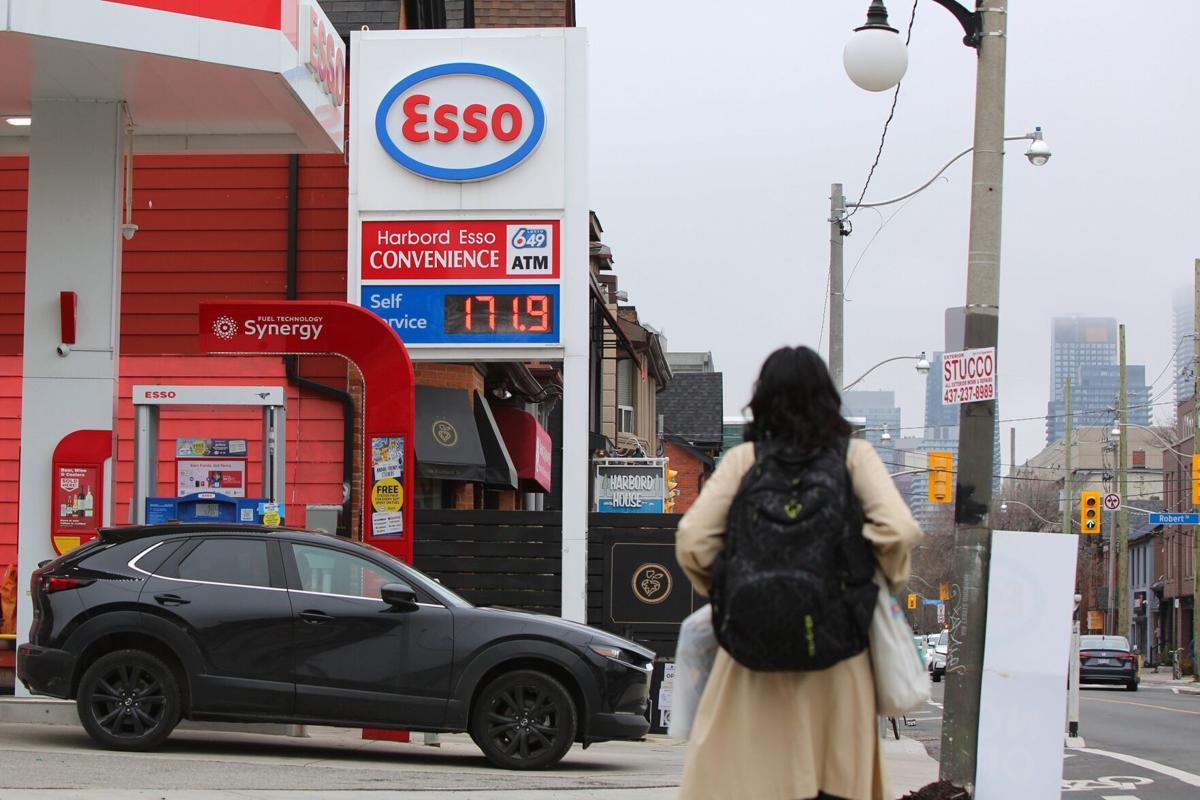
CAA Highlights Practical Tips to Reduce Fuel Consumption as Drivers Continue to Face High Gas Prices
ONTARIO – June 12, 2026 – As fuel prices continue to impact household budgets across Ontario, experts are reminding motorists that some of the biggest opportunities for savings may come not at the gas station, but behind the wheel.
According to the Canadian Automobile Association (CAA), driver behaviour remains one of the most significant factors affecting fuel efficiency. Simple changes in driving habits can help motorists reduce fuel consumption, lower vehicle wear and tear, and save money throughout the year.
“Driver behaviour is one of the biggest factors in fuel efficiency. Small changes can make a noticeable difference,” said Olivia Hodgkiss, spokesperson for CAA.
Aggressive Driving Comes at a Cost
CAA identifies aggressive driving habits such as rapid acceleration, speeding, tailgating and hard braking as major contributors to excessive fuel consumption.
Research shows that aggressive driving can reduce fuel economy by:
- Up to 40% in stop-and-go city traffic
- Up to 30% at highway speeds
Drivers are encouraged to accelerate gradually, maintain safe following distances and anticipate traffic conditions ahead to avoid unnecessary braking and acceleration.
Maintain a Steady Speed
Maintaining a consistent speed is one of the easiest ways to improve fuel efficiency.
For highway travel, the use of cruise control can help reduce fuel consumption by minimizing unnecessary speed fluctuations.
Fuel consumption also rises significantly at higher speeds. Experts recommend staying within posted speed limits, particularly on highways where fuel efficiency declines rapidly as speed increases.
Reduce Idling Time
Many drivers underestimate how much fuel is wasted while idling.
CAA recommends turning off the engine whenever a vehicle is expected to remain stationary for more than one minute. Excessive idling not only wastes fuel but also increases emissions and contributes to engine wear.
Plan Routes Carefully
Using GPS applications and route-planning tools can help drivers identify the shortest and most fuel-efficient routes.
Avoiding traffic congestion, unnecessary detours and backtracking can result in meaningful fuel savings, especially during busy summer travel periods.
Vehicle Maintenance Matters
Proper vehicle maintenance is essential for maximizing fuel economy.
Drivers should:
- Keep tires properly inflated
- Check wheel alignment regularly
- Replace air filters when required
- Follow recommended oil change schedules
- Complete routine tune-ups
According to CAA, under-inflated tires alone can increase fuel consumption by up to four per cent.
Travel Light
Extra weight forces engines to work harder.
Drivers are advised to remove unnecessary items from their vehicles and remove roof racks when not in use.
CAA estimates that carrying an additional 100 pounds can reduce fuel efficiency by approximately one per cent.
Fill Up Before Your Tank Gets Too Low
Experts recommend refuelling when the fuel gauge reaches approximately one-quarter tank.
Allowing fuel levels to become extremely low can place unnecessary strain on a vehicle’s fuel pump and may increase the risk of becoming stranded.
Best Time to Buy Gas
Fuel price analyst Dan McTeague, President of Canadians for Affordable Energy, notes that motorists can often save money simply by choosing the right time to fill up.
According to McTeague, gasoline prices are frequently lower after 6 p.m., particularly in the Greater Toronto Area.
Evening discounts can range from four to seven cents per litre, and sometimes even more, depending on market conditions and competition among local stations.
Additional Ways to Save
Drivers can further reduce fuel costs by:
- Using loyalty and rewards programs
- Taking advantage of gas station discounts
- Purchasing fuel outside major urban centres when practical
- Using fuel discount credit cards
- Filling up at First Nations reserve stations where available
Many fuel retailers offer reward programs that can reduce costs by several cents per litre over time.
Small Changes, Big Savings
With fuel expenses remaining a significant part of household transportation budgets, experts agree that adopting fuel-efficient driving habits can generate substantial annual savings.
By driving smoothly, maintaining vehicles properly and making informed choices about when and where to purchase fuel, Ontario drivers can significantly reduce their fuel bills while also lowering vehicle maintenance costs and environmental impact.
As summer travel season begins and road traffic increases across the province, these simple adjustments could help drivers keep more money in their pockets while enjoying safer and more efficient journeys.