

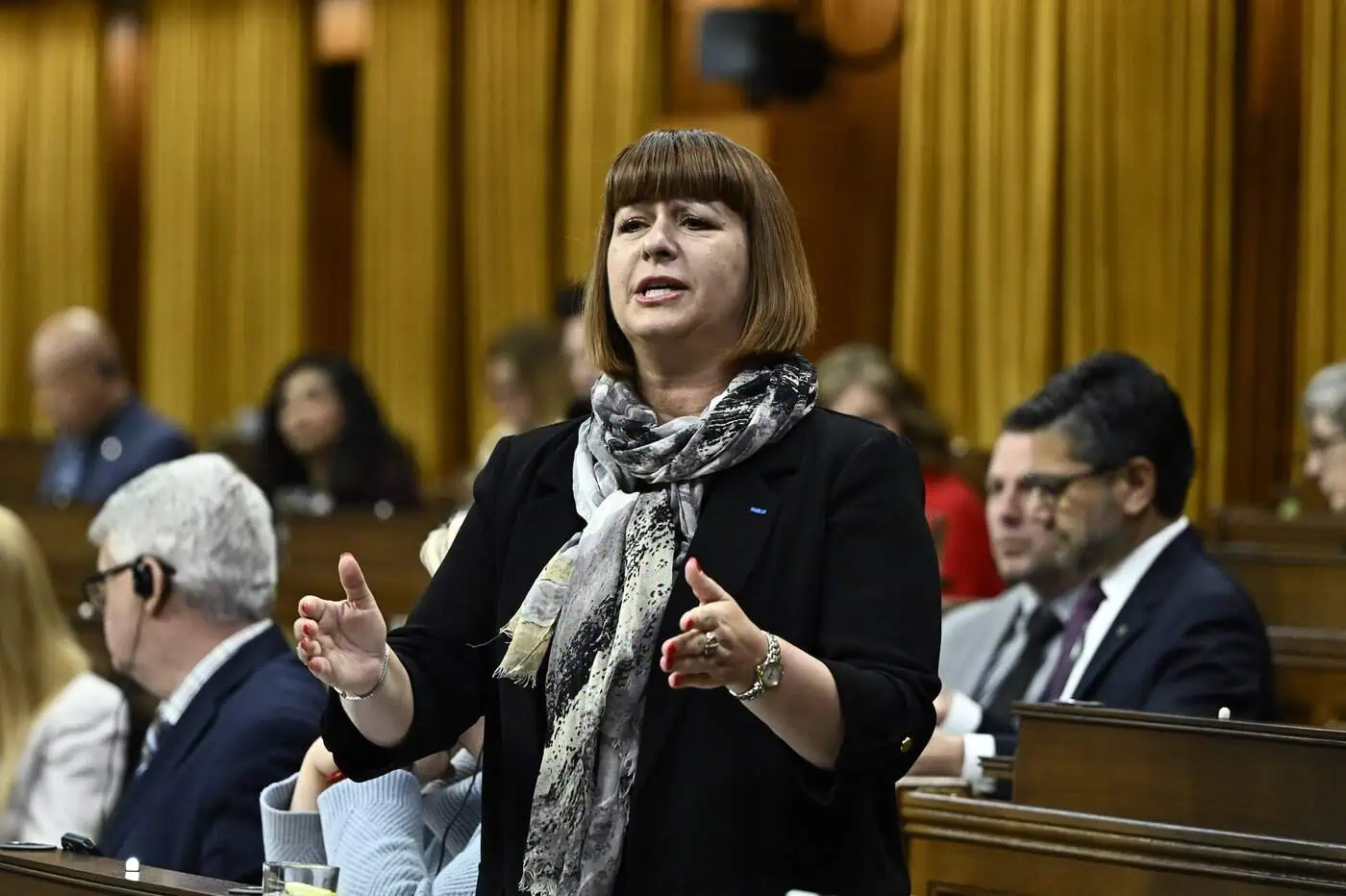
A Liberal MP is reigniting the debate over daylight time, calling for Canada to finally end the twice-yearly tradition of turning clocks forward and back.
Marie-France Lalonde, the MP for the Ottawa area, announced plans to table a private member’s bill next week to scrap what she called an “outdated practice” that disrupts daily life, health, and business. “It is time to change the time change,” Lalonde told reporters Thursday. “This unnecessary barrier impacts the lives of Canadians in more ways than simply adjusting their clocks.”
The bill will urge the federal government to convene a pan-Canadian conference with provinces, territories, and Indigenous governments to reach a coordinated decision to end daylight time. Lalonde cited research linking time changes to health problems, spikes in vehicle accidents, and obstacles to interprovincial and cross-border trade.
“For over 117 years, we have simply followed this tradition, discussing it at dinner tables, debating why we keep doing it,” she said. “Let’s stop speaking individually and start speaking collectively.”
Port Arthur, Ontario (now Thunder Bay), became the first municipality in the world to adopt daylight time in 1908. Canada’s federal government officially introduced the practice in 1918 to boost wartime production, and most provinces and territories still observe it today.
Dr. Rébecca Robillard, co-chair of the Canadian Sleep Research Consortium, said at the announcement that the time shift has well-documented effects on health, especially among children, teens, seniors, and those with chronic illnesses. “Our decisions around time change should be based on informed societal reflections, not individual preferences,” she said.
Some jurisdictions have already moved away from the clock change. Saskatchewan made central standard time permanent in 1966, and Yukon followed suit in 2020. Ontario passed legislation in 2020 to make daylight time permanent, but only if Quebec and New York State agreed to do the same — a move that has yet to materialize.
In Atlantic Canada, premiers have held off on changes while waiting to see what their neighbours do. Political scientist Peter Graefe noted that coordination is key: “A federal initiative to hold a conference or consultation could help deal with the problem of coordination,” he said, pointing out that businesses need consistent time zones with neighbouring jurisdictions.
Lalonde previously introduced a similar bill as an Ontario MPP in 2019. Now, she hopes a federal push can finally align provinces and end a practice she and many Canadians see as unnecessary.
Canadians are set to turn their clocks back one hour at 2 a.m. on Sunday, November 2, returning to standard time.