

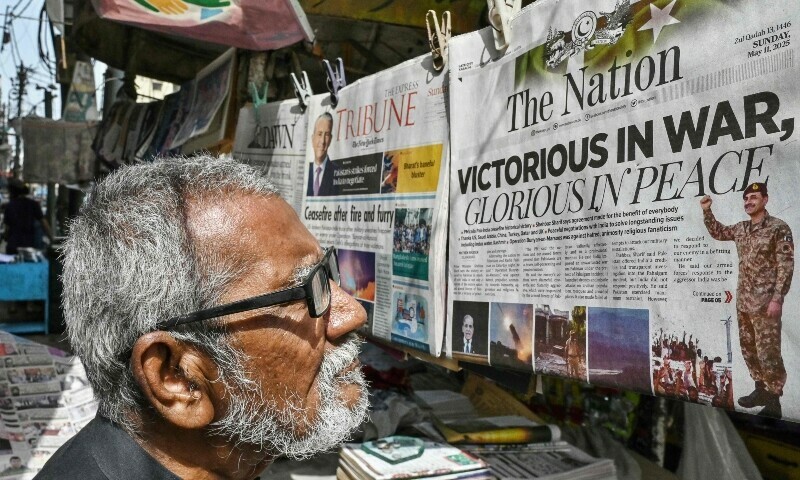
Operation Sindoor to Bunyan-um-Marsoos: Airstrikes Define New Phase of Conflict
Last week’s violent escalation between India and Pakistan marked one of the most intense flare-ups in their decades-long rivalry, drawing in drones, airstrikes, missile exchanges, and widespread diplomatic fallout. Although both nuclear-armed neighbours claimed military victories, it ultimately took U.S. intervention to bring the two sides to the table and secure a ceasefire.
The conflict was sparked by a brutal attack on April 22 in Indian-administered Kashmir, where gunmen killed 26 tourists at a resort in Pahalgam. India blamed a Pakistan-backed group, an accusation Islamabad denied, instead calling for an independent investigation.
Tensions escalated quickly. India responded by suspending the Indus Waters Treaty, expelling Pakistani diplomats, and closing border crossings. Pakistan retaliated with reciprocal expulsions, visa cancellations, and an airspace closure. Cross-border shelling began shortly after, with both sides trading accusations and ramping up military posturing.
By May 6–7, India launched “Operation Sindoor,” targeting Pakistani military and suspected militant facilities. In response, Pakistan claimed to have shot down five Indian jets, including three Rafales. Islamabad also began authorising counterattacks under “Operation Bunyan-um-Marsoos,” hitting Indian military installations and infrastructure deep inside Indian territory, including alleged BrahMos missile storage and airbases across multiple states.
Both nations imposed severe restrictions on each other’s diplomatic staff, trade, and media access. Civilian airspace was closed in several major cities, while popular sporting events like the Pakistan Super League and the Indian Premier League were suspended due to security concerns.
Despite mutual declarations of strength and readiness, the growing scale of the conflict alarmed the international community. The United States, under President Donald Trump, led a behind-the-scenes diplomatic push to de-escalate the crisis. By May 10, Trump announced a full ceasefire between the two countries, a development later confirmed by both governments. Air traffic resumed across Pakistan later that night.
While calm returned, both sides continued to claim strategic victories. Pakistan’s military reported destroying 26 Indian targets, including aviation bases and missile sites. India, meanwhile, showcased satellite images of damage inflicted on Pakistani military infrastructure. However, the extent of the damage remains unverified, and both sides have contested each other’s claims.
Pakistan’s military leadership reiterated that they did not request a ceasefire and that they remain prepared to respond to any future aggression. Prime Minister Shehbaz Sharif declared May 11 as Youm-i-Tashakur, a day of gratitude to honour the military’s response and the success of its operations.
The ceasefire has held since, but underlying issues—particularly the status of Kashmir—remain unresolved. Analysts and officials alike warn that the cycle of provocation and retaliation is far from broken. While U.S. diplomacy may have halted the fighting, long-term peace will require a fundamental shift in how both countries address the roots of their conflict.