

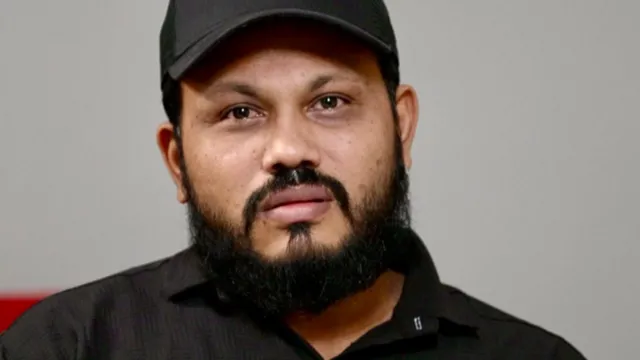
In an emotional interview that has gripped both India and the UK, Viswashkumar Ramesh, the sole survivor of the devastating Air India plane crash that claimed 241 lives, described himself as “the luckiest man alive” — yet said he is enduring unbearable physical and emotional suffering after the tragedy that destroyed his family.
Ramesh, 39, from Leicester, survived the London-bound Boeing 787 that burst into flames shortly after takeoff from Ahmedabad in June. Among the victims was his younger brother, Ajay, who had been seated just a few rows away. “I’m only one survivor. Still, I can’t believe it. It’s a miracle,” he told the BBC, breaking down as he recalled losing his brother — “my backbone, my support.”
Since returning to the UK, Ramesh has been diagnosed with post-traumatic stress disorder (PTSD) and struggles to communicate with his wife and four-year-old son. “I just sit in my room alone. I don’t talk to anyone,” he said quietly. His mother, still in India, is also reportedly traumatized and spends her days sitting silently outside the family home.
The Air India crash — one of the deadliest in the airline’s history — killed 169 Indian nationals, 52 Britons, and 19 people on the ground. Initial findings by India’s Aircraft Accident Investigation Bureau revealed that the aircraft’s fuel supply was cut off seconds after takeoff, leading to total engine failure. A full investigation remains ongoing.
Ramesh’s survival, captured on shocking video footage showing him walking away from the flaming wreckage, astonished the world. He managed to unbuckle his seatbelt and crawl through a gaping hole in the fuselage before being rescued. He later met Prime Minister Narendra Modi while receiving treatment in India.
Now back home, he faces lasting pain in his leg, shoulder, knee, and back, and has been unable to work or drive. “When I walk, I walk slowly,” he said. “My wife helps me.” His family fishing business in Diu, once run jointly with his brother, has since collapsed.
Local community leader Sanjiv Patel and spokesperson Radd Seiger have stepped in to support the family, saying they are in “crisis — mentally, physically, and financially.” They accused Air India of neglecting its duty of care, despite offering an interim compensation of £21,500, which Ramesh has accepted.
“It’s appalling that we have to put him through media interviews to be heard,” Seiger said. “The people who should be sitting here are the executives of Air India. They need to come forward and help put things right.”
Air India, owned by the Tata Group, responded in a statement saying that its senior leadership “continues to reach out to the families of victims” and that an offer had been made to meet with Ramesh’s representatives even before the media interviews.
For Ramesh, however, the emotional wounds remain deep. “Every day is painful for the whole family,” he said softly. “I can’t sleep. I keep thinking about that day. I lost everything.”
His story — one of miraculous survival shadowed by grief and trauma — stands as a haunting reminder of the human cost behind aviation disasters and the long road to healing that follows.