

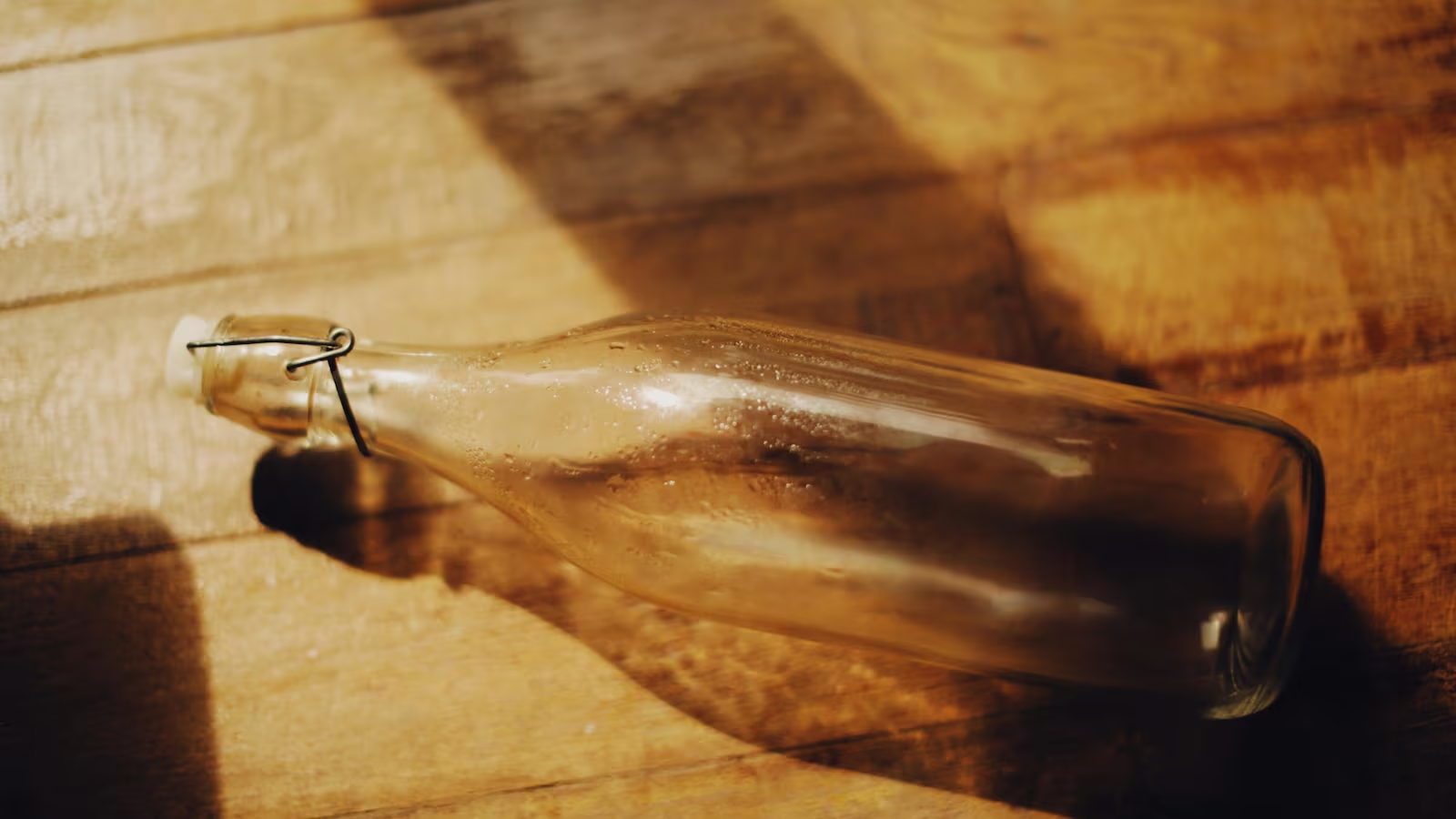
In a surprising discovery, a French study has revealed that drinks sold in glass bottles—such as soda, beer, iced tea, and lemonade—contain significantly more microplastics than those packaged in plastic bottles or metal cans. The research, released Friday by France’s food safety agency ANSES, found that glass bottles contained on average 100 microplastic particles per litre—five to 50 times higher than levels found in plastic bottles.
The results shocked researchers, who expected plastic containers to shed more particles. Instead, it was found that the paint used on the metal caps sealing the glass bottles was the likely source. These caps, often scratched due to friction during storage, release microplastic particles that match the shape, color, and polymer composition of the paint.
While microplastics have been detected in air, food, and even human bodies worldwide, there is no direct evidence yet of their harm to human health. Nevertheless, researchers and health agencies are increasingly trying to understand their sources and spread.
Interestingly, water in glass bottles contained fewer microplastics—around 4.5 particles per litre—and wine had even less, regardless of the cap type. The study noted that the reason for wine’s relatively low contamination is still unclear. Meanwhile, soft drinks averaged around 30 particles per litre, lemonade 40, and beer up to 60.
Although ANSES emphasized it’s currently impossible to determine if these levels pose a health risk, it noted that the issue could be mitigated. A simple cleaning method—blowing the caps with air followed by rinsing with water and alcohol—was found to reduce microplastic contamination by up to 60 percent, offering manufacturers a practical solution to limit exposure.