

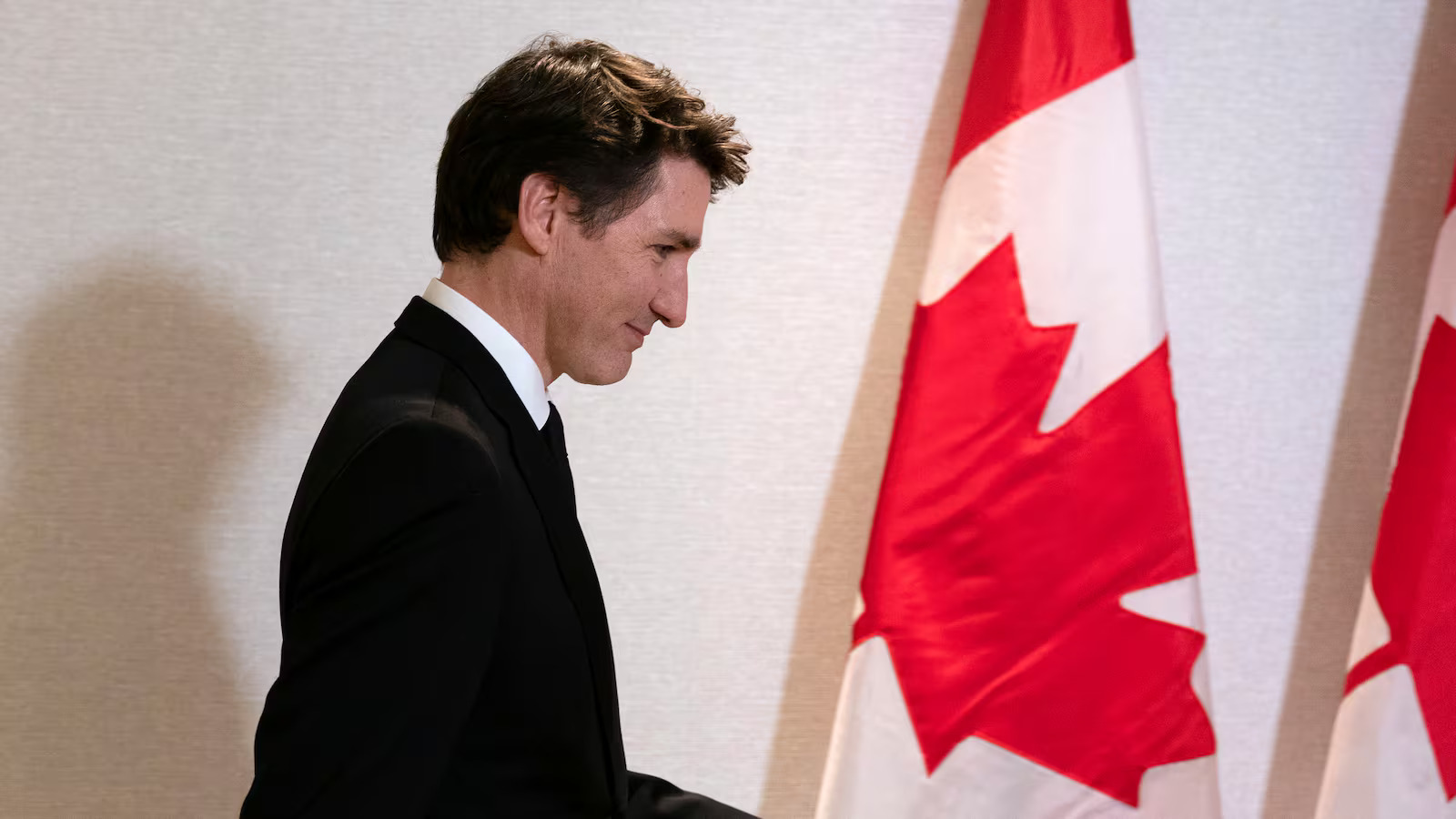
The Liberal Party of Canada has unveiled the rules for its upcoming leadership race, just days after Prime Minister Justin Trudeau announced his resignation. The new leader will be chosen on March 9, 2025, setting a tight timeline for candidates to declare their intentions and meet entry requirements.
Leadership hopefuls must register by January 23, 2025, and pay a substantial $350,000 entrance fee, a significant increase from the $75,000 fee in the previous race. Political analyst Scott Reid, who served under former Prime Minister Paul Martin, explained the rationale behind the fee hike:
“A high entry fee discourages unserious candidates and ensures contenders are capable of connecting with Canadians and demonstrating their potential as the next prime minister.”
The winner will have just two weeks to prepare for the House of Commons’ return on March 24, 2025, following Trudeau’s request to prorogue Parliament until late March. Opposition parties have signaled their readiness to trigger a general election, adding pressure on the incoming leader to stabilize the Liberal government.
The party also introduced measures to address concerns about foreign interference, stemming from past allegations of international students being directed to vote in Liberal nomination contests. Moving forward, only Canadian citizens, permanent residents, or individuals with Indian Act status can register as Liberal voters. Eligible voters must also be at least 14 years old and unaffiliated with other federal political parties.
These changes aim to protect the democratic process while maintaining broad engagement, the party stated.
Several prominent figures have already expressed interest in the leadership race. Liberal-Ontario MP Chandra Arya and former MP Frank Baylis declared their intentions ahead of the rules announcement. Cabinet ministers including Mélanie Joly, François-Philippe Champagne, Jonathan Wilkinson, and Steven MacKinnon are reportedly considering their candidacies.
Former Liberal campaign director Penny Collenette dismissed concerns that sitting ministers might have an advantage:
“Holding a cabinet position can be a double-edged sword. While it provides visibility, it also demands time and attention that could hinder campaigning.”
Other potential contenders include former Deputy Prime Minister Chrystia Freeland, former Bank of Canada Governor Mark Carney, and former B.C. Premier Christy Clark.
With the race now officially underway, the Liberals face the dual challenge of selecting a leader capable of uniting the party and steering it through potential electoral battles. The leadership contest is poised to set the tone for the party’s future as it grapples with shifting political dynamics and public expectations.