

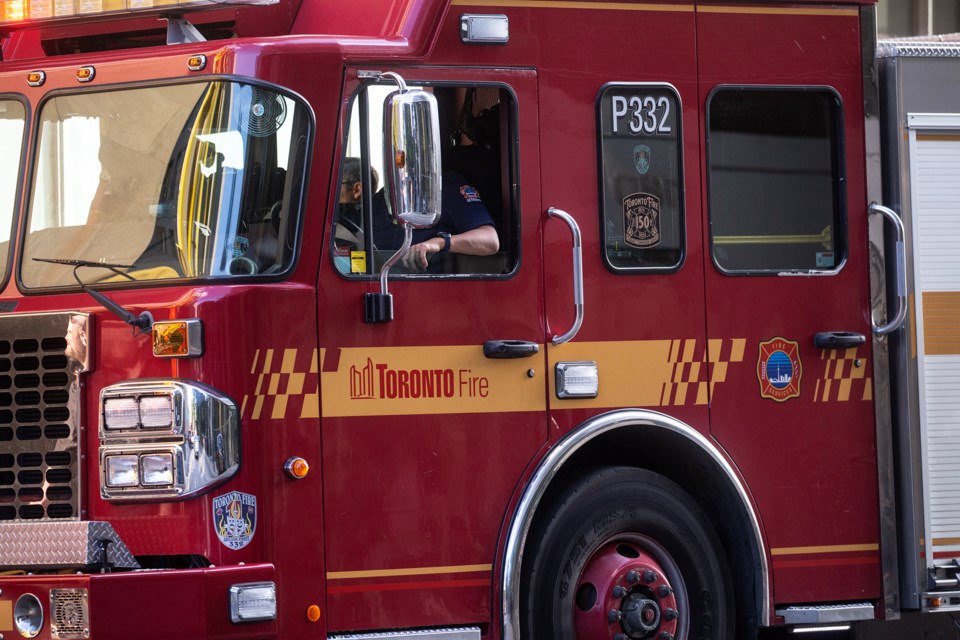
Toronto’s fire chief has issued a stark warning: lithium-ion batteries — the power source for e-bikes, e-scooters, and countless other devices — have become the city’s fastest-growing fire threat, setting Toronto on track for a record number of incidents this year.
Toronto Fire Chief Jim Jessop said that while lithium-ion batteries are found in smartphones and power tools, the greatest danger comes from the larger, poorly manufactured battery packs used in e-bikes and e-scooters. These devices can ignite when damaged, overcharged, or tampered with — and with no federal safety standards in place, many low-quality batteries enter the country unchecked.
The numbers tell a dramatic story: lithium-ion battery fires have risen nearly 600% since 2020, jumping from just 11 incidents that year to 76 in 2024. So far in 2025, there have already been 68 fires reported by mid-September — roughly eight per month — and e-bike and e-scooter battery fires have hit an all-time high, with 39 incidents reported compared to 25 last year and only three in 2020.
These blazes have proven deadly. A February fire at a downtown high-rise killed one person and injured 19 others, and investigators confirmed lithium-ion batteries were involved. In 2024, a TTC subway car fire was traced back to an e-bike battery.
Jessop warned that lithium-ion fires present unique and severe hazards:
- They can engulf a room in under 90 seconds.
- The flames burn hot enough to melt firefighting gear.
- Even after being put out, the risk of re-ignition remains high.
- Toxic contaminants from these fires have forced Toronto Fire Services to throw out protective gear that could not be fully cleaned, increasing health risks and costs for the department.
“This gear literally came out black after cleaning,” Jessop said, noting the added cancer risk for firefighters exposed to carcinogenic residues from these fires.
Toronto Fire Services has been working with U.S. fire departments to study mitigation strategies, but Jessop emphasized that real change depends on federal action. He is calling for mandatory safety regulations on e-bike and e-scooter batteries, pointing out that cell phone batteries rarely catch fire because they are regulated.
Other cities have already begun to act. New York City now bans uncertified e-bike batteries, the TTC has prohibited e-bikes and e-scooters during winter months, and Metrolinx only allows certified batteries on its trains.
Experts warn the danger may worsen in winter when cold weather slows lithium flow in batteries and road salt can seep inside, leading to short circuits. “Most e-bikes are imported from Asia with very little regulation or safety considerations,” said Ravi Kempaiah, CEO of Zen Energy. “It’s like the wild west.”
Jessop’s message is clear: without tighter rules on battery imports and manufacturing standards, Toronto’s e-bike fire crisis will continue to escalate.