

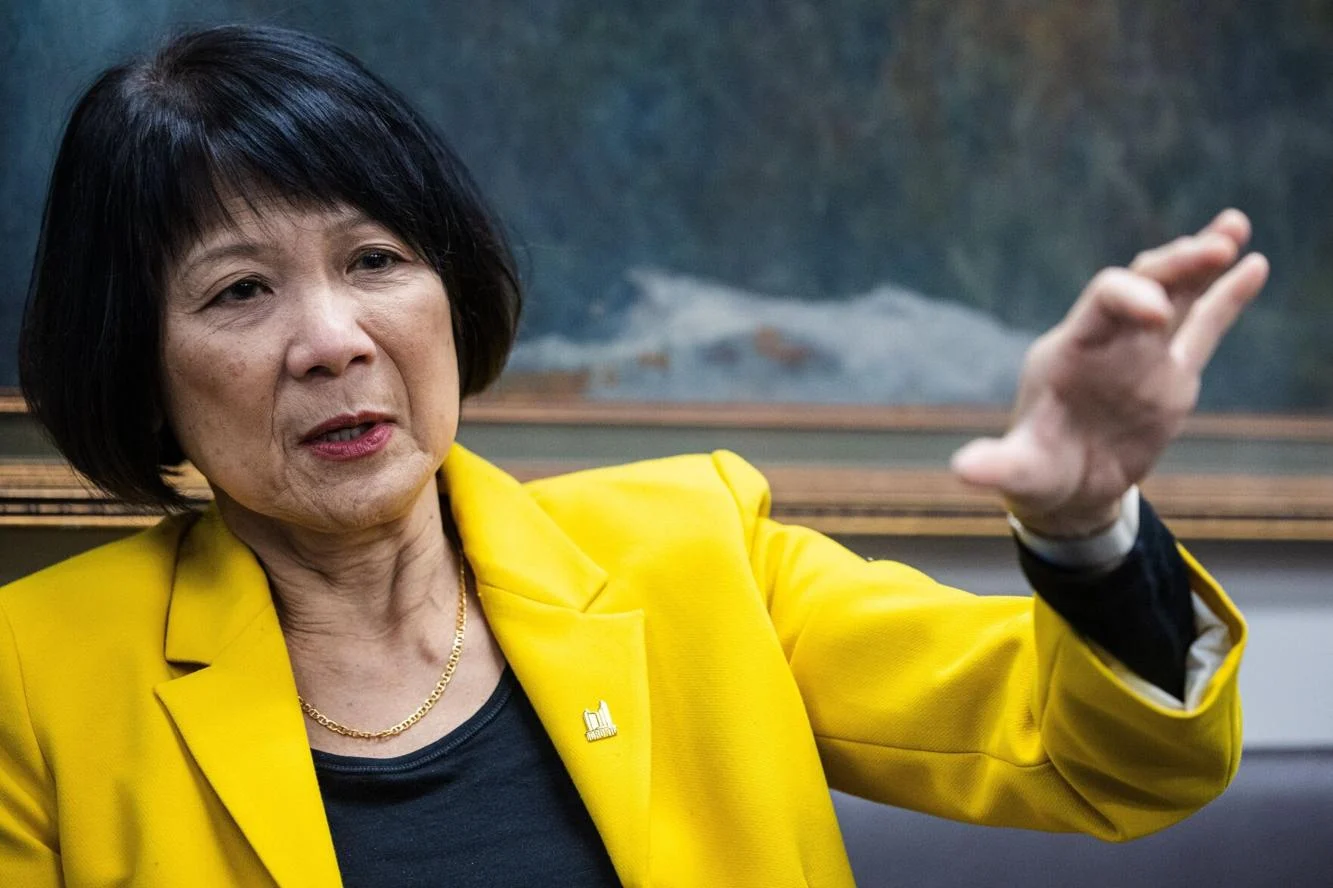
Toronto Mayor Olivia Chow is striking a more cautious tone on spending as she heads into the final year of her first term, signalling fiscal restraint ahead of the October 2026 municipal election while insisting she will not starve city services to keep taxes down.
Chow has not yet confirmed whether she will seek re-election, but her recent emphasis on cost savings and consolidation follows two consecutive years of steep property tax increases that she said were needed to stabilize city finances and restore services. With voters still feeling the impact of those hikes, the mayor appears poised to present a leaner 2026 budget, set to be unveiled by Feb. 1, that aims to balance affordability with maintaining core services.
In a year-end interview, Chow declined to say how large next year’s property tax increase will be, but signalled it will be lower than the 9.5 and 6.9 per cent hikes approved in her first two budgets. She said homeowners need protection as economic pressures grow, particularly with uncertainty tied to U.S. tariffs. At the same time, she pushed back against suggestions that restraint would mean repeating past mistakes. “I’m not starving the city,” Chow said, stressing there will be no austerity budget or major service cuts, but also no blank cheques for city departments.
The mayor argues she inherited a $1.8-billion operating shortfall when she took office in 2023 and has since stabilized finances while boosting funding for transit, policing, student nutrition and other services. Now, she wants city divisions to consolidate those gains and pause spending on projects that are “nice to have” rather than essential.
Signs of that shift are already visible. The city has paused hiring for non-essential positions, a move unions warn will strain front-line workers and communities. Chow has also faced criticism for dissolving the Toronto Parking Authority board and for budget pressures on agencies like the Toronto Public Library, which says service levels will be affected after trimming millions from its 2026 request. Some major initiatives, including the full rollout of TTC fare capping, have been delayed until 2027 to ease short-term costs.
At the same time, Chow is pursuing targeted revenue measures aimed at her progressive base, such as a higher land transfer tax on homes valued at $3 million or more, which she says will help fund affordability programs.
Politically, Chow’s year has been marked by compromises and setbacks at council, including stalled debates on protest “bubble zones” and limited progress on zoning changes like citywide sixplexes. She maintains she has delivered on core promises, including seven-day library service, increased transit, frozen fares and stronger rental protections, while critics argue her tax hikes have not delivered noticeable service improvements.
Beyond budget politics, Chow also weathered controversy in 2025 over comments on the Israel-Gaza conflict and navigated a mixed relationship with Premier Doug Ford, alternating between cooperation and public disagreement. Looking ahead, she hopes to renegotiate provincial funding support that expires at the end of 2026 and has pledged improvements to snow clearing, heat response and major event readiness, including Toronto’s role as a host city for the 2026 FIFA World Cup.
As the election year approaches, Chow is attempting a delicate balancing act — reassuring voters she can rein in taxes without undoing recent investments, while defending her progressive agenda in an increasingly competitive political landscape.