

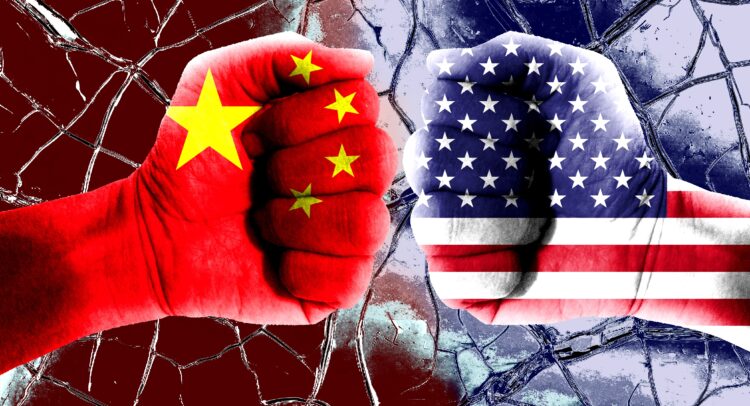
In a swift and forceful response to sweeping tariffs announced by U.S. President Donald Trump, China has unveiled a new round of retaliatory trade measures, intensifying fears of a prolonged and destabilizing global trade war.
China’s Ministry of Finance confirmed on Friday that it will impose an additional 34% tariff on all U.S. goods, effective April 10, 2025. This countermeasure follows the Trump administration’s recent move to apply baseline tariffs on all foreign imports, with steep levies on key economic partners including China, the European Union, and Taiwan.
Further tightening the screws on Washington, China’s Ministry of Commerce also announced export restrictions on medium and heavy rare-earth elements critical to technology and defense industries. The restrictions, effective April 4, cover elements such as samarium, gadolinium, terbium, dysprosium, lutetium, scandium, and yttrium.
“The purpose of these controls is to better safeguard national security and fulfill international obligations, including those related to non-proliferation,” read a statement from the Commerce Ministry.
Additionally, China has expanded its “unreliable entity list” by adding 11 foreign organizations. This list allows Beijing to impose punitive actions on companies or institutions deemed to endanger China’s national interests.
The latest developments have triggered sharp market reactions. U.S. stock futures plunged on Friday, compounding Thursday’s losses when Trump’s initial tariff declaration wiped an estimated $2.4 trillion from U.S. equity markets. The Nasdaq, S&P 500, and Dow Jones futures all showed significant declines in pre-market trading, reflecting growing investor anxiety over the economic fallout.
Economists now warn that escalating trade tensions between the world’s two largest economies could tip the global economy into a downturn, while sharply increasing prices across multiple sectors, particularly in electronics, automotive, and defense manufacturing.
The tit-for-tat measures mark a dramatic re-escalation in trade hostilities between Washington and Beijing, with neither side showing signs of backing down. Both nations appear poised to use trade policy as a tool of geopolitical leverage, potentially leading to long-term disruptions in global supply chains and rising costs for businesses and consumers alike.
Analysts are closely watching for further announcements from both governments and central banks, as the standoff shows no signs of easing.