

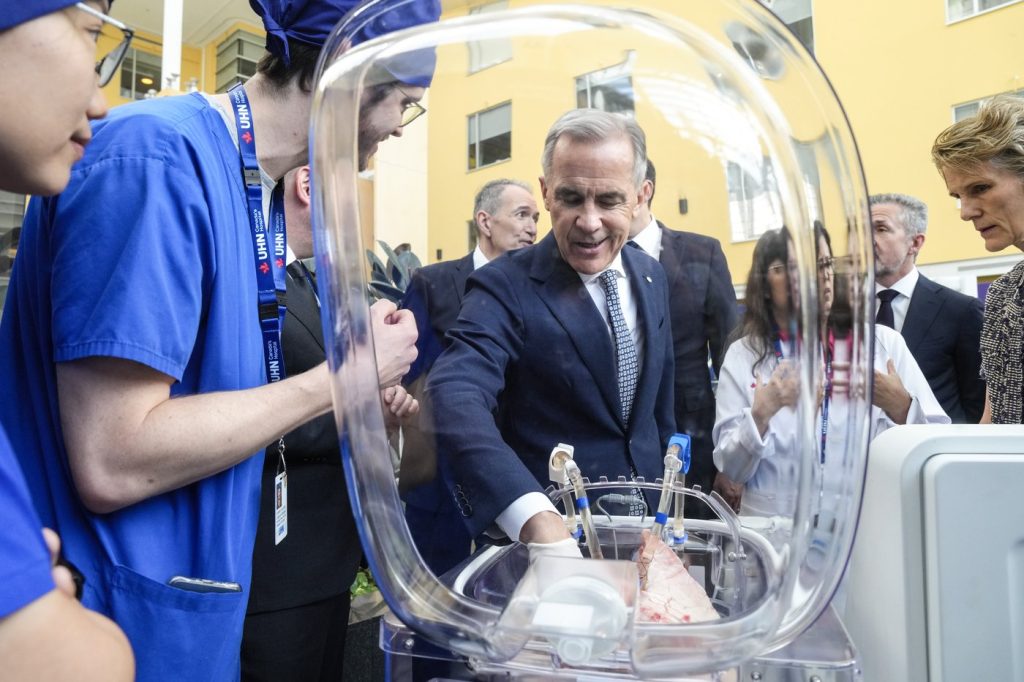
Prime Minister Mark Carney says he has not yet formed an opinion on Ontario Premier Doug Ford’s proposal to expand Billy Bishop Toronto City Airport, emphasizing that extensive consultations and assessments must take place before any decision is made.
The proposed expansion, which would allow jet aircraft to operate from the island airport, has become a major point of discussion among federal, provincial, and municipal leaders. While Premier Ford has suggested that the federal government supports the concept, Carney clarified that no final position has been reached and that numerous factors must first be carefully examined.
Speaking to reporters on Thursday, the Prime Minister said the proposal involves a wide range of considerations, including transportation needs, economic opportunities, neighbourhood impacts, environmental concerns, public spaces, and overall quality of life for Toronto residents. He stressed that the government intends to gather information from all stakeholders before determining whether the project should move forward.
Carney noted that the required review processes have not yet been completed and therefore it would be premature for him to endorse or oppose the plan. The federal government is expected to begin broader consultations in the near future.
The airport expansion proposal has generated mixed reactions across all levels of government. Federal Transport Minister Steven MacKinnon and several Toronto-area Liberal Members of Parliament have remained cautious, indicating that they are awaiting further details before taking a position.
The debate intensified after Ontario’s Progressive Conservative government passed legislation replacing the City of Toronto in the tripartite agreement governing the airport. The agreement now involves the provincial government, the federal government, and the Toronto Port Authority, which oversees airport operations.
Toronto Mayor Olivia Chow has emerged as one of the strongest critics of the proposal. She argues that the province moved ahead without meaningful public consultation and has questioned the lack of a detailed development plan. Chow has also raised concerns about the role of private investors, noting that the airport’s passenger terminal is owned by Nieuport Aviation, which is controlled by U.S.-based investment interests.
According to Chow, public land should remain focused on serving Toronto residents rather than benefiting outside investors. She has repeatedly called for greater transparency and public engagement before any expansion plans proceed.
Premier Ford, however, remains a strong supporter of the project. He believes expanding the airport would create thousands of jobs, strengthen Toronto’s transportation infrastructure, and improve runway safety. While acknowledging his differences with the mayor, Ford said he respects her views but remains convinced of the project’s economic benefits.
The legislation has also sparked concerns about the future of Toronto Islands because it grants the province authority over all lands associated with the airport. The islands are home to hundreds of residents, recreational facilities, parks, beaches, trails, a marina, and the popular Centreville Amusement Park.
Seeking to calm those concerns, Ford insisted that the province has no broader plans for the islands beyond airport-related improvements. He described the islands as one of Toronto’s most beautiful destinations and said they should largely remain unchanged.
As consultations begin, the future of Billy Bishop Airport is shaping up to be one of the most significant infrastructure and urban development debates facing Toronto. The outcome will likely hinge on balancing economic growth and transportation needs with environmental protection, community interests, and the preservation of one of the city’s most cherished public spaces.