

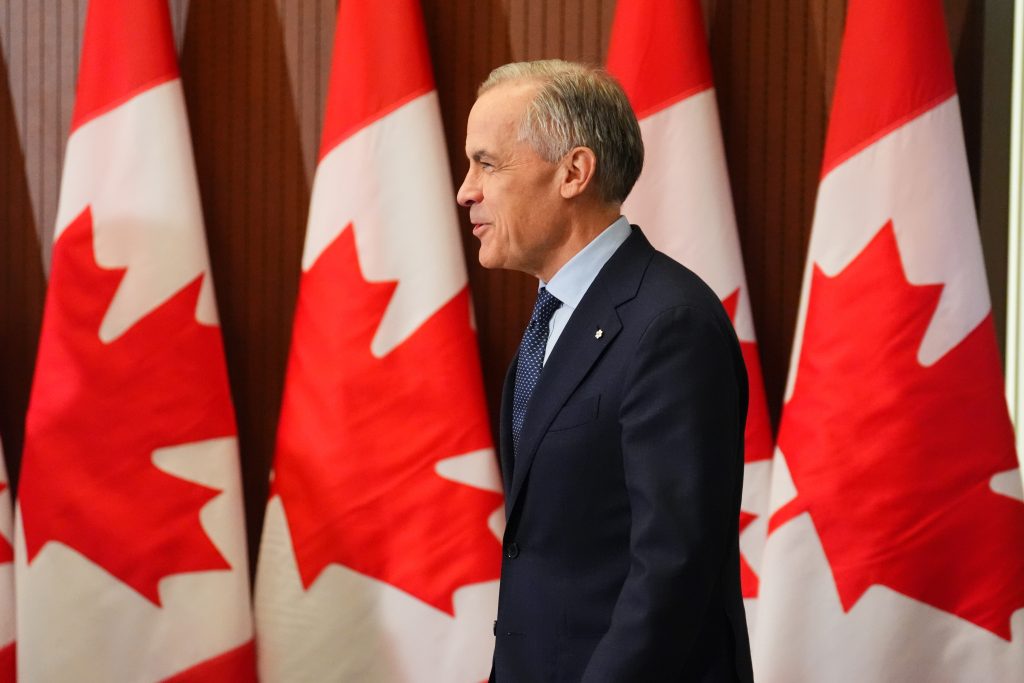
Prime Minister Mark Carney says Canadians should expect a more serious and results-driven Parliament now that the Liberals hold a majority government. In his first remarks after securing the numbers needed to govern alone, Carney promised more substance, less political theatre, and a renewed focus on collaboration—even as partisan tensions remain high in the House of Commons.
Speaking in Ottawa, Carney drew a sharp contrast between meaningful debate and what he described as performative politics. He said Parliament should be a place for serious testimony, careful lawmaking, and practical solutions—not grandstanding. The message was clear: with a majority in hand, the government intends to shift from survival mode to delivery mode.
The Liberals now stand at 174 seats following their victories in three byelections, giving them the minimum threshold required to govern without support from opposition parties. The majority is slim, but it changes the parliamentary equation dramatically. Confidence votes no longer depend on deals with rivals, and legislation can move forward with far fewer obstacles.
That expanded authority also means the government could reshape committee structures, limit debate timelines, and accelerate priority bills if it chooses. For supporters, this offers the possibility of quicker action on key files such as affordability, jobs, housing, and trade. For critics, it raises concerns about reduced checks and balances in Parliament.
The political clash with Pierre Poilievre remains intense. The Conservative leader accused the Liberals of building their majority through floor crossings rather than a general election mandate. Carney pushed back, defending the right of elected MPs to act according to conscience and support the program they believe best serves their constituents.
Meanwhile, Yves-François Blanchet signaled that the Bloc will continue to cooperate where Quebec’s interests are served, even as the party loses influence in a majority Parliament. The opposition parties now face a more difficult task: holding the government accountable when they no longer control the balance of power.
Still, majority rule comes with internal pressures. A narrow majority means every vote matters, and discipline within the Liberal caucus becomes essential. Illness, travel, dissent, or unexpected absences can suddenly become high-stakes issues.
For Canadians—including voters in Brampton, Mississauga, and communities across the country—the practical question is whether stronger numbers will translate into stronger results. Carney has promised seriousness, stability, and action. Parliament now moves into a new phase where expectations are higher, timelines are tighter, and delivery will matter more than rhetoric.