

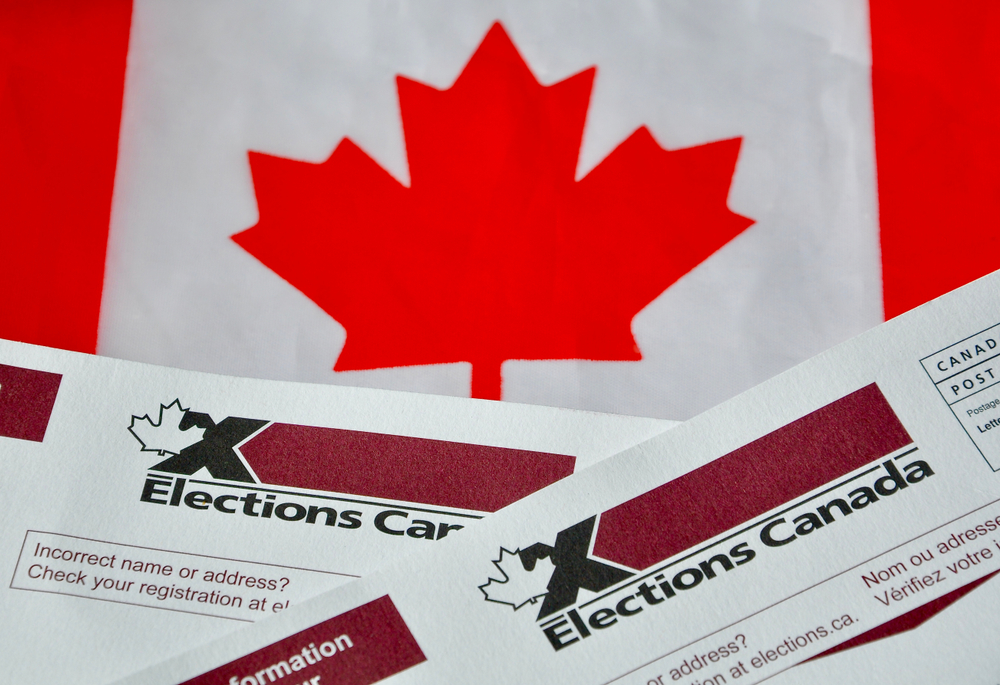
Canada’s 45th general election is shaping up as a fierce showdown between Prime Minister Mark Carney’s resurgent Liberals and Pierre Poilievre’s Conservatives, a dramatic reversal from earlier this year when the Conservatives seemed destined for a landslide victory. Two seismic events—Justin Trudeau’s resignation as Liberal leader and U.S. President Donald Trump’s aggressive tariffs and annexation threats—have flipped the political script, setting the stage for a nail-biter campaign.
Liberals Reborn Under Carney’s Leadership
Since selecting Mark Carney as their new leader, the Liberals have staged a stunning comeback, erasing a 20-point deficit to pull even with the Conservatives in recent polls. “It’s a remarkable rebirth for a party left for dead just six weeks ago,” said Greg Lyle, president of Innovative Research Group. Carney, a former business titan and central bank governor, is pitching his global experience as the antidote to Trump’s trade war, a message Liberal strategist Zita Astravas says will resonate with voters. “When you stack Carney’s credentials against Poilievre’s career politician résumé, the contrast speaks for itself,” Astravas, vice president at Wellington Advocacy, told reporters.
Conservatives Hold Firm on Economic Roots
Despite the shifting tides, Conservative strategist Kate Harrison of Summa Strategies Canada insists Poilievre’s core message—economic renewal—still hits home, especially with younger voters frustrated by soaring rent and unattainable homeownership. “The tariff threat didn’t emerge in a vacuum; it’s the result of nine years of Liberal economic neglect,” Harrison argued. Poilievre has doubled down, unveiling policies to fast-track resource projects and pipelines, aiming to bolster Canada’s economic defenses against Trump’s onslaught.
Trump’s Shadow Looms Large
Pollster David Coletto of Abacus Data predicts Trump’s actions will force a “binary choice” for voters, sidelining smaller parties like the Bloc Québécois and NDP. “Both Liberals and Conservatives will push for a ‘strong, stable government’ narrative, echoing Harper’s 2011 playbook,” Coletto said. The NDP, already reeling, faces a “deadly cocktail,” with Mélanie Richer, Jagmeet Singh’s ex-communications director, urging a pivot to frame affordability as a bulwark against Trump’s tariff attacks.
April 2: The Wild Card
All eyes are on April 2, when Trump’s next tariff wave is slated to hit. Canada’s $60 billion in retaliatory tariffs—and threats to escalate to $155 billion—signal a readiness to fight back. But Lyle warns of a tipping point: “If tariffs slam the auto sector, layoffs and shutdowns could spark fury—and then panic. Voters might question the Liberals’ grip if the pain lingers.” The economic fallout could rewrite the race in its final stretch.