

New framework links research, student mobility and economic cooperation during Carney’s India visit
Canada and India have unveiled a new Talent and Innovation Strategy aimed at deepening education, research and institutional ties as part of a broader effort to reset and expand bilateral relations.
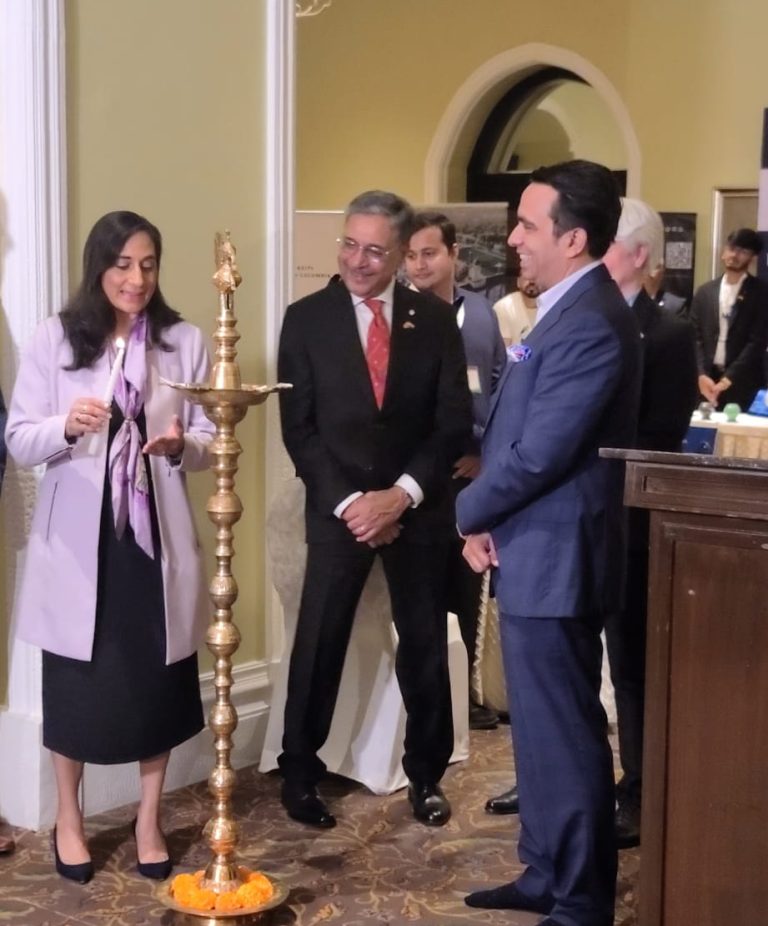
The announcement was made in Mumbai by Foreign Affairs Minister Anita Anand on the second day of Prime Minister Mark Carney’s four-day visit to India. The strategy is positioned as a key pillar of Canada’s Indo-Pacific engagement and aligns with Ottawa’s push for stronger economic and strategic partnerships in the region.
Launched alongside senior academic leaders, the Canada–India Talent and Innovation Strategy brings together more than 20 Canadian institutions and includes 13 newly signed partnerships with Indian counterparts. While trade and investment discussions remain central to Carney’s trip, Ottawa is signalling that talent mobility, research collaboration and institutional integration are equally critical to long-term competitiveness.
In her remarks, Anand emphasized the shared ambition to strengthen innovation ecosystems in both countries.
“Canada and India are committed to working together openly, collaboratively and ambitiously to develop the talent and ideas that will shape the future,” she said, highlighting initiatives under Canada’s Indo-Pacific Strategy.
Among the key measures are new scholarships enabling graduate students and researchers from 11 Canadian universities to collaborate with Indian institutions in strategic sectors such as hydrogen, artificial intelligence, climate resilience and supply chain security. In addition, a new partnership between Mitacs and the All India Council for Technical Education will see 300 Indian undergraduate researchers travel to Canada annually, creating a structured mobility pipeline.
The strategy is built around four core objectives: embedding Canadian expertise in India’s priority industries, translating academic research into measurable economic outcomes, creating a more balanced two-way talent exchange, and delivering initiatives with speed and accountability.
The emphasis on rebalancing reflects a policy shift. Canada has long been a leading destination for Indian international students, but officials are now seeking a more reciprocal model that includes joint research hubs, hybrid campuses and centres of excellence in emerging technologies such as AI and clean energy.
Earlier this month, more than 20 Canadian university presidents travelled to India in the largest academic delegation Canada has ever sent to the country, laying the groundwork for the new agreements announced this week.
The initiative reinforces Canada’s Indo-Pacific Strategy, launched in 2022, which prioritizes expanded trade, security cooperation, sustainability and people-to-people connections across the region. Increasingly, Ottawa views education and innovation as strategic assets rather than solely diplomatic tools.
As Carney continues high-level talks in Mumbai and prepares for meetings in New Delhi — including discussions with Prime Minister Narendra Modi — the message from day two of the visit is clear: the next phase of Canada–India relations will be shaped not only by commercial agreements, but also by collaborative research, shared talent and long-term institutional partnerships.