

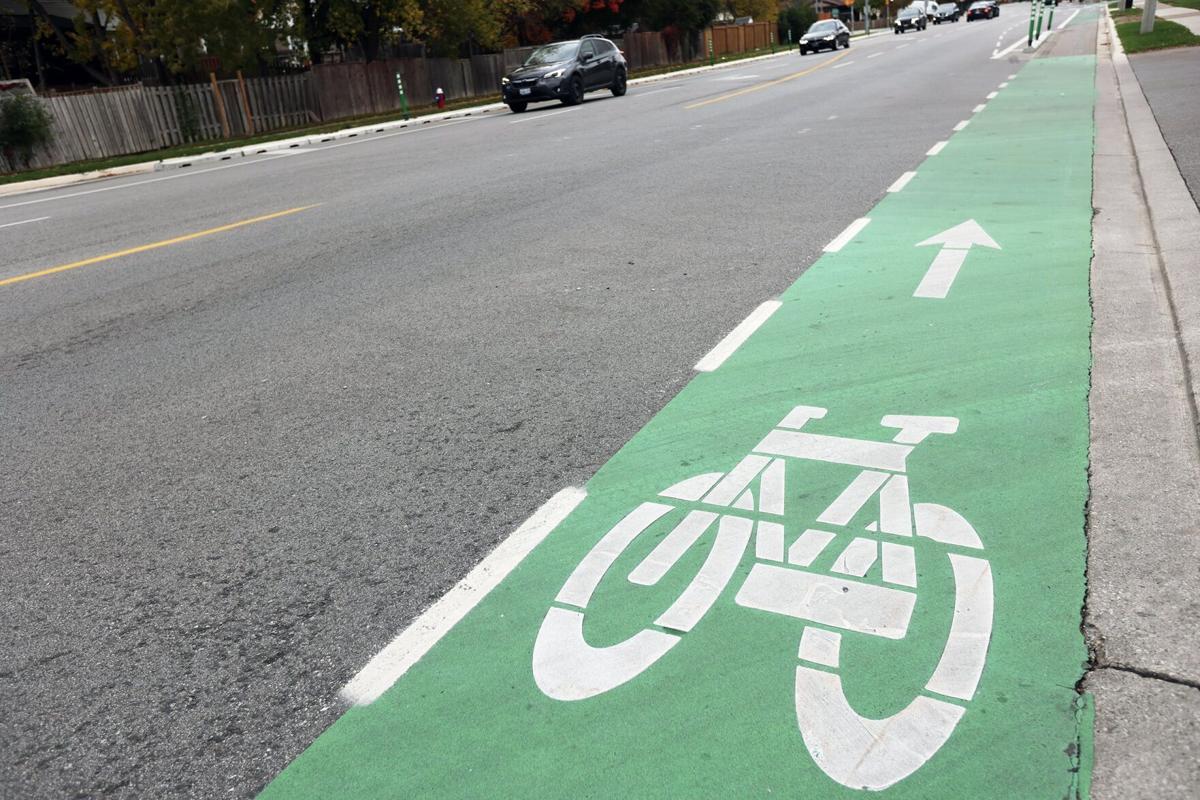
A growing debate over transportation priorities in Brampton has intensified after city council approved the removal or modification of bike lanes on several roads, drawing criticism from cycling advocates while earning support from many residents concerned about traffic congestion and parking shortages.
The latest decision came during a May 27 council meeting when councillors voted to remove bicycle lanes from Charolais Boulevard and restore the roadway to four lanes of vehicle traffic. The move follows a survey conducted among area residents that found strong opposition to the existing bike lanes, with many respondents citing increased congestion and limited roadway capacity as their primary concerns.
According to the survey, a majority of residents use Charolais Boulevard daily, and most respondents expressed opposition to the cycling lanes. Concerns were further amplified by plans for significant residential development in the area, which is expected to bring hundreds of additional housing units and increase traffic volumes in the coming years.
Council also directed staff to examine alternative options for maintaining cycling connectivity, including relocating the bike lanes to another nearby road or exploring the feasibility of placing cycling infrastructure within the central boulevard that separates traffic lanes.
The Charolais decision follows another recent vote involving Clockwork Drive, where council approved converting a bicycle lane on one side of the street into an urban shoulder. The change is intended to address long-standing complaints from residents regarding a lack of visitor parking while still providing space for cyclists to travel when parked vehicles are not present.
Earlier this year, council also voted overwhelmingly to remove segregated bike lanes along a portion of Howden Boulevard and replace them with shared-lane markings, commonly known as “sharrows.” Residents in the area had repeatedly raised concerns that the bike lanes contributed to traffic delays and congestion.
These decisions have sparked a strong reaction from cycling advocates and active transportation supporters who argue that removing protected cycling infrastructure undermines road safety and discourages environmentally friendly transportation options. Many residents have contacted council to express concern that the changes could increase risks for cyclists and reduce accessibility for those who rely on bicycles for daily transportation.
Supporters of cycling infrastructure maintain that bike lanes are not simply recreational amenities but essential transportation corridors that help residents commute to work, access services, run errands, and travel safely throughout the city. They warn that reducing protected infrastructure could force cyclists into vehicle traffic, increasing the likelihood of collisions and injuries.
Several residents who addressed council stressed that cycling infrastructure contributes to safer streets, healthier communities, reduced traffic speeds, and greater transportation choice. Others suggested the decisions appear to conflict with broader municipal goals of encouraging active transportation and reducing reliance on automobiles.
City councillors defending the changes argue that they are responding to substantial feedback from local residents and attempting to balance competing needs. They emphasize that while Brampton remains committed to active transportation, elected officials must also address concerns related to congestion, parking availability, traffic flow, and population growth.
Councillors Dennis Keenan and Martin Medeiros, who have been closely involved in discussions regarding the Charolais Boulevard bike lanes, said they have received significant feedback from residents on both sides of the issue. They maintain that council’s role is to consider the interests of all road users and find practical solutions that serve the broader community.
Both councillors rejected suggestions that the decisions were politically motivated ahead of the municipal election campaign, insisting that the changes reflect community input and ongoing efforts to improve transportation planning.
The controversy highlights a broader challenge facing rapidly growing cities such as Brampton. As population growth places increasing pressure on roads, parking, transit systems, and public infrastructure, municipal leaders continue to face difficult decisions about how best to allocate limited road space among drivers, cyclists, pedestrians, and transit users.
While council has reaffirmed its support for active transportation, the recent decisions suggest that the future design of Brampton’s cycling network will remain a contentious issue. City staff are expected to continue reviewing options aimed at maintaining connectivity for cyclists while addressing the concerns of residents and commuters who rely heavily on the city’s road network.
With municipal elections approaching and transportation remaining one of the most visible issues affecting daily life in Brampton, the debate over bike lanes is likely to remain at the forefront of public discussion in the months ahead.