

The former official residence of Canada’s consul general in New York has finally been sold for US$8.05 million after sitting on the market for nearly two years, closing a controversial chapter that sparked political backlash, public criticism, and international headlines over Ottawa’s luxury real estate decisions in Manhattan.
Global Affairs Canada confirmed Monday that the five-bedroom Park Avenue apartment was officially sold on May 11 after an offer was accepted in March. The final amount, equivalent to more than C$11 million, was lower than the original asking price of US$9.5 million when the property was first listed in August 2024.
Federal officials defended the transaction, saying the sale reflected current market realities and buyer demand, while maintaining that the overall deal would still provide “a net financial benefit for Canadians.”
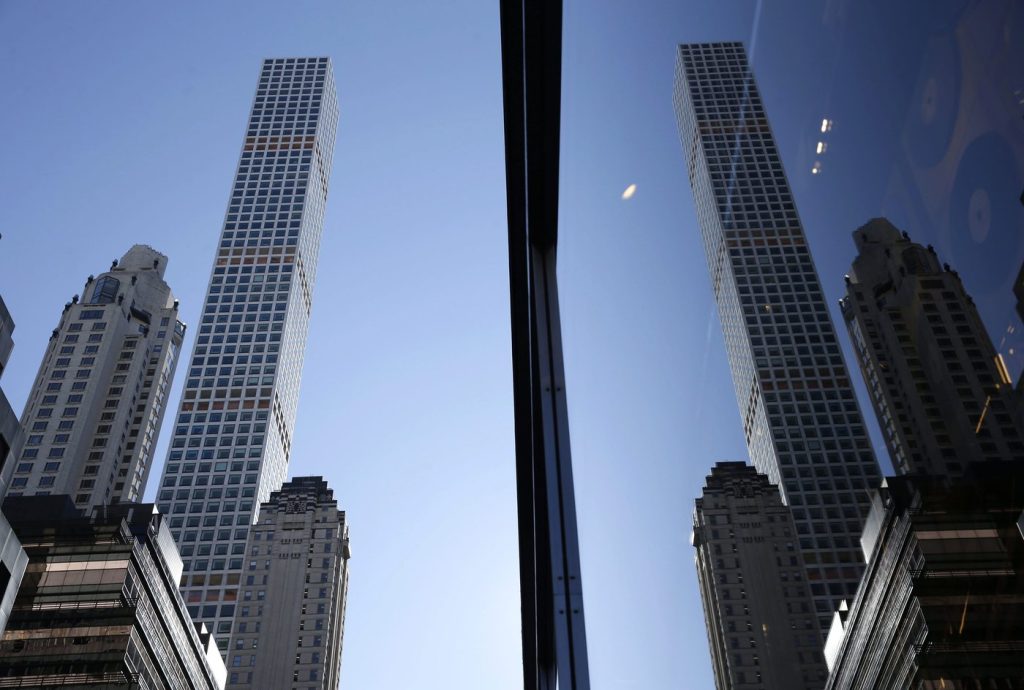
The controversy surrounding the property intensified after Ottawa purchased a new luxury condominium worth approximately C$9 million in Manhattan’s prestigious “Billionaires’ Row” district to house Canada’s consul general in New York. The upscale purchase quickly became a lightning rod for criticism, particularly during a period when many Canadians were facing rising housing costs, inflation, and affordability challenges.
The issue drew widespread attention internationally after some New York media outlets mistakenly reported that the lavish condominium had been acquired for King Charles, due to legal wording in the property deed describing ownership as belonging to “His Majesty the King in right of Canada.”
Conservatives seized on the issue, accusing the Liberal government of extravagant spending and political favouritism. In a statement released Monday, Conservative Leader Pierre Poilievre criticized the Liberals for purchasing what he described as a luxurious residence for a political insider while ordinary Canadians struggled financially.
The Park Avenue residence itself had long been considered problematic. Purchased by Canada in 1961 and last renovated roughly 20 years later, the apartment faced growing concerns over accessibility compliance, building restrictions, and functional limitations. Parliamentary committee hearings heard that the residence lacked proper separation between private family space and official government functions, while the co-operative board overseeing the building imposed limitations on events hosted there.
Government officials revealed that concerns regarding the aging residence had first surfaced more than a decade ago, with renovation plans initially considered before being delayed during the COVID-19 pandemic. By the time the issue resurfaced, projected renovation costs had reportedly ballooned into the millions without resolving several structural and operational concerns tied to the building.
Former journalist and Canada’s consul general in New York, Tom Clark, was later called before a House of Commons committee amid the controversy. Clark stated he had no involvement in either the purchase of the new condominium or the sale of the old residence.
Officials maintained throughout the hearings that buying the new property inside Steinway Tower — widely recognized as the world’s thinnest skyscraper — would ultimately prove more cost-effective for taxpayers than attempting to modernize the aging Park Avenue apartment.
Despite those assurances, the old property struggled to attract buyers. Real estate listings show the asking price was reduced multiple times, first in mid-2025 and again later that year, before finally selling below its original listing price.
The debate has since evolved into a broader political symbol of government spending priorities, with critics portraying the Manhattan move as excessive diplomacy in an era of economic hardship, while supporters argue the decision was necessary to modernize Canada’s diplomatic infrastructure in one of the world’s most important cities.