

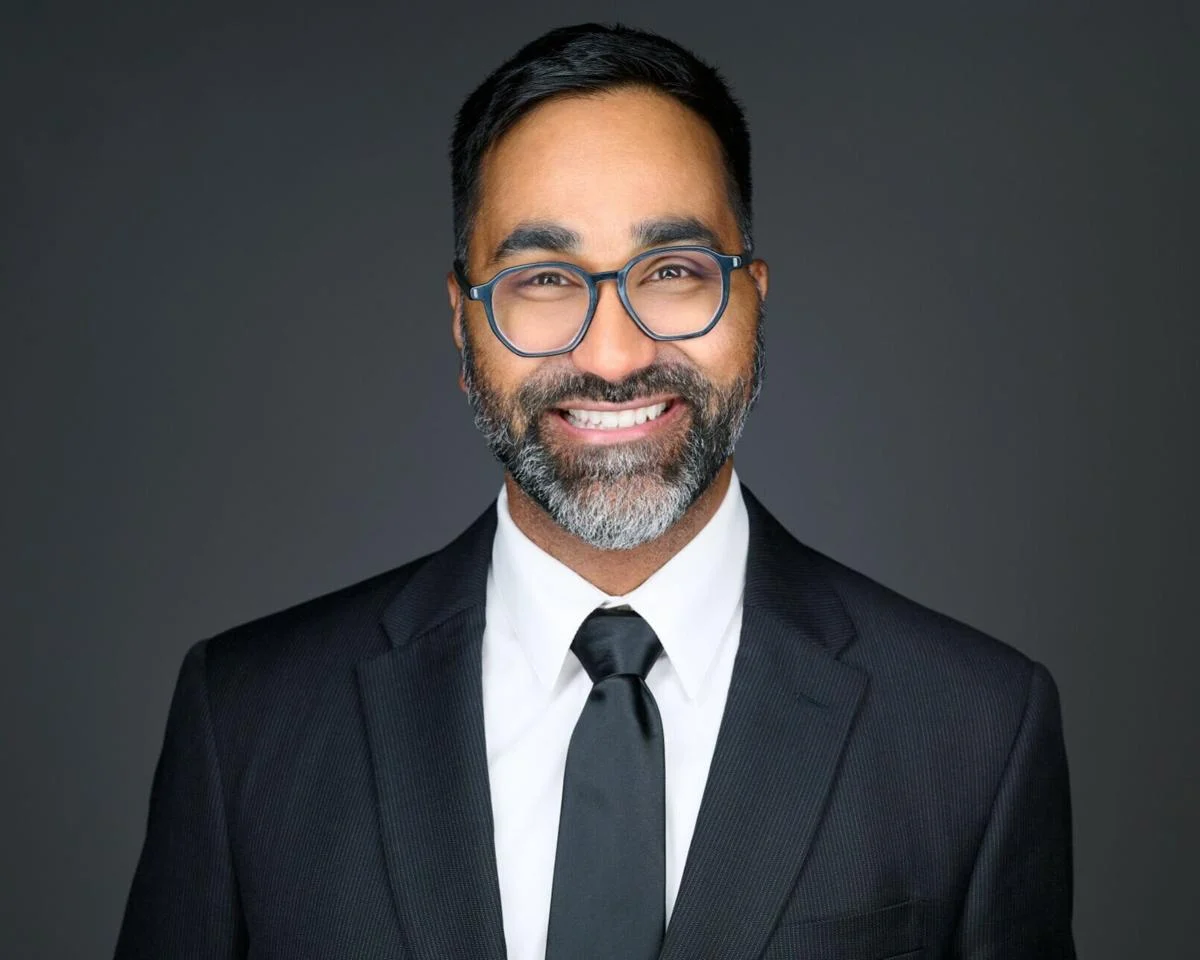
A Brampton physician is calling for urgent modernization of Ontario’s health-care referral system, warning that outdated processes—still heavily reliant on fax machines—are contributing to long wait times and delayed patient care.
Dr. Jobin Varughese, president of the Ontario College of Family Physicians and a clinical leader at Toronto Metropolitan University School of Medicine, says the current system is no longer equipped to meet the demands of a rapidly growing population like Brampton’s.
“The system itself is outdated,” he said, pointing to the continued use of fax-based referrals between family doctors and specialists across Ontario.
For patients like longtime Brampton resident John Digby, the impact is deeply personal. After being referred for an MRI last October due to knee and wrist pain, he is still waiting for his scan—scheduled nearly seven months later.
“It shouldn’t take seven or eight months,” he said, expressing concern over the uncertainty surrounding his condition. “It could be anything.”
According to Varughese, delays like these are not isolated incidents but symptoms of a fragmented referral system. Once a referral leaves a doctor’s office, there is often little to no visibility into its status. If a specialist has a long wait list—or is no longer practicing—the process must start over, further delaying care.
He is advocating for a province-wide centralized referral system that would streamline the process and match patients with the next available specialist based on location and wait times. Such a system, he argues, would not only reduce delays but also improve overall patient outcomes.
“It allows for the best possible care,” Varughese said, noting that timely access to specialists can prevent complications and reduce the need for emergency visits.
The issue becomes even more complicated when patients move within the province. Without a centralized system, family doctors often lack the information needed to refer patients to specialists in different regions, creating additional barriers to care.
Beyond wait times, Varughese emphasized the administrative burden on physicians. Family doctors currently spend an estimated 19 hours per week on paperwork, much of it tied to referrals—time that could otherwise be spent with patients.
A modern, connected system, he says, would offer transparency for both patients and doctors, allowing them to track referrals in real time and reduce the stress associated with long and uncertain wait periods.
For the next generation of doctors, the reliance on fax technology is especially frustrating. Varughese noted that medical students and residents are eager to focus on patient care and meaningful relationships—not outdated administrative processes.
“There’s a lot of modernization that needs to occur,” he said.
As Ontario continues to grapple with health-care pressures, calls like this are adding momentum to a broader conversation: whether the system can evolve quickly enough to meet the needs of its communities—or whether patients will continue to wait, often in pain, for answers that should come much sooner.