

Community members in Montreal reflect on women’s rights, exile and hopes for change following the death of Iran’s Supreme Leader
MONTREAL — As conflict intensifies in Iran and the country’s Supreme Leader Ayatollah Ali Khamenei has been killed in U.S.–Israel strikes, some Iranian-Canadians are reflecting on what freedom has meant in their adopted country — and what the future could hold for the land they left behind.
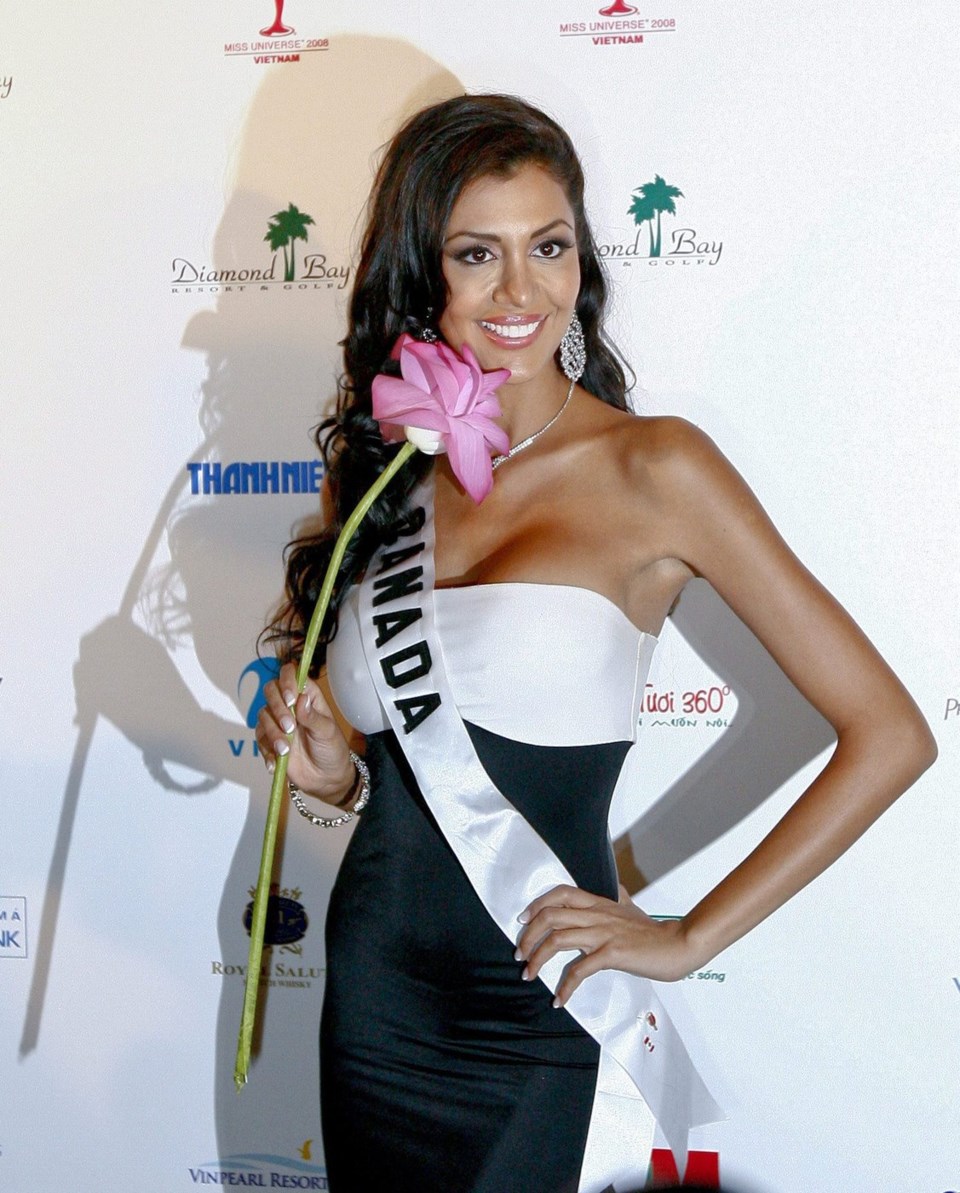
Among them is Samantha Tajik, a former Miss Universe Canada and international model and actress who moved to Canada from Tehran when she was just two years old.
Looking back, Tajik says her life would likely have taken a very different path had her family remained in Iran.
She notes that her career in modelling and acting would have been severely restricted. Tajik became the first Iranian woman to win the Miss Universe Canada title in 2008 and remains the only Iranian woman to have represented Canada at Miss Universe — an achievement she believes would not have been possible under Iran’s political and social system.
She also questions whether she would have been safe at all.
Tajik says she finds it difficult to imagine growing up in an environment where, in her view, dissent is met with violence and repression. Her family’s own history, she says, reflects those risks.
According to Tajik, relatives on her mother’s side participated in protests in Tehran in 1979 and 1981 and faced harsh consequences. She recounts that one aunt was imprisoned for five years and a cousin for 15. Another cousin was allegedly beaten so severely that family members feared for her life and took extraordinary steps to protect her.
Tajik also says her mother, who was pregnant with her at the time, was detained and tortured, leading to medical complications that resulted in Tajik being born prematurely. Two years later, the family left Iran for Canada.
Although she was very young when they emigrated, Tajik believes the trauma experienced by her family has shaped her commitment to human rights advocacy.
She says she is grateful for the freedoms she has enjoyed in Canada, particularly as a woman. Under Canadian law, she notes, Iranian-Canadian women have access to employment, education and political participation in ways she believes are restricted in Iran.
Recent images and reports from Iran have stirred complex emotions for her.
She says she feels pride in those who continue to protest and demand change, while also acknowledging the pain and uncertainty surrounding the current conflict. After news broke that Khamenei had been killed in the weekend strikes, Tajik said she felt a sense of hope, adding that many in the diaspora have long called for significant political change.
She now hopes to visit Iran for the first time since leaving as a child.
In Montreal, another Iranian-Canadian woman — who requested anonymity out of concern that speaking publicly could expose her to risk — shared similar feelings of cautious optimism.
She moved to Canada in 2014, citing economic decline and what she described as increasingly restrictive policies affecting women. Now holding a PhD in education from the University of Montreal, she works as a French teacher.
Following Khamenei’s death, she says she feels both hopeful and apprehensive. While she believes the moment could open the door to regime change, she worries that military intervention may not necessarily produce the outcome many hope for.
She describes the current situation as emotionally turbulent, with family members still living in Iran. She and her family are planning to travel there this summer, though she acknowledges that political uncertainty could complicate those plans.
She says she and her friends have been actively advocating for change since January and remain mobilized. Looking ahead, she and her husband hope that in the coming years they may be able to return to Iran permanently, depending on how events unfold.
As developments continue in the Middle East, the reflections of Iranian-Canadians underscore how international events resonate deeply within Canada’s diverse communities. For many in the diaspora, the moment brings a blend of relief, anxiety and guarded hope — shaped by memories of the past and uncertainty about what lies ahead.