

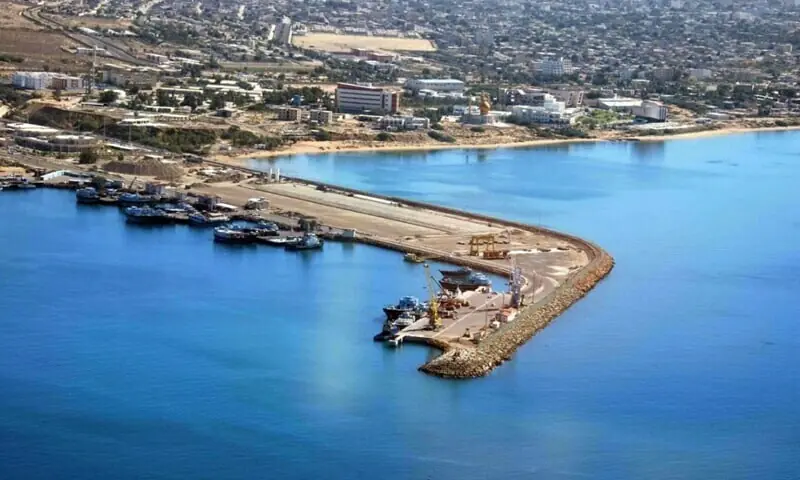
India has withdrawn from Iran’s Chabahar port project after transferring about $120 million to Tehran to fully liquidate its financial commitment, effectively ending its involvement amid renewed U.S. sanctions pressure, according to a report by The Economic Times.
Government sources said the payment clears all Indian liabilities related to the project, allowing Iran to use the funds independently. The move follows the reimposition of U.S. sanctions and a warning from Donald Trump that countries doing business with Iran could face a 25 per cent tariff on all trade with the United States.
India had secured a six-month sanctions exemption for the Chabahar port in October 2025 and signed a 10-year development and operations contract with Iran in 2024. However, after sanctions were reinstated, the state-owned India Ports Global Ltd effectively exited the project, with government-appointed directors resigning and the company’s website taken offline to shield stakeholders from potential secondary sanctions.
Officials said the decision was driven by a cost-benefit calculation under intense U.S. pressure. Combined with existing measures, the threatened tariffs could have raised duties on Indian exports to the U.S. to as much as 75 per cent, far outweighing the economic value of India-Iran trade, estimated at about $1.68 billion annually.
The withdrawal also reflects diminishing strategic returns from Chabahar, long viewed as a gateway to Afghanistan and Central Asia that bypassed Pakistan. Sources noted that the Taliban’s return to power in Afghanistan and Iran’s internal challenges had already reduced the port’s relevance.
While Iran accounts for only around 0.15 per cent of India’s total trade, analysts warn the exit could disrupt specific sectors such as basmati rice exports, where Iran is India’s largest market. The decision secures short-term economic protection with the U.S. but comes at the cost of a long-term regional connectivity strategy, highlighting the constraints facing middle powers amid rising geopolitical polarization.